Habitat for Humanity ReStores are a great stop for homeowners who are renovating, furnishing a house, or looking for materials at a lower price. Unlike a typical thrift store, ReStores often accept things such as cabinets, doors, sinks, lighting, appliances, tools, and other home improvement supplies. The proceeds help support Habitat for Humanity housing programs, while donated materials get another chance to be used instead of ending up in a landfill.
Still, a ReStore isn’t a drop-off spot for every item you no longer need. Each location sets its own donation rules, and certain products can be refused because of safety concerns, sanitation requirements, disposal costs, condition, or limited demand.
Before you load everything into the car or truck, check with your local ReStore. Policies can differ from one location to another. Here are 20 items that may be turned away.
1. Mattresses and Box Springs
Used mattresses and box springs are commonly refused because of sanitation rules and the difficulty of determining their condition. Some locations may accept new mattresses that are still sealed in their original packaging.
If you’re planning to donate one, check with the specific ReStore first rather than assuming it will be accepted.
2. Cribs and Baby Furniture
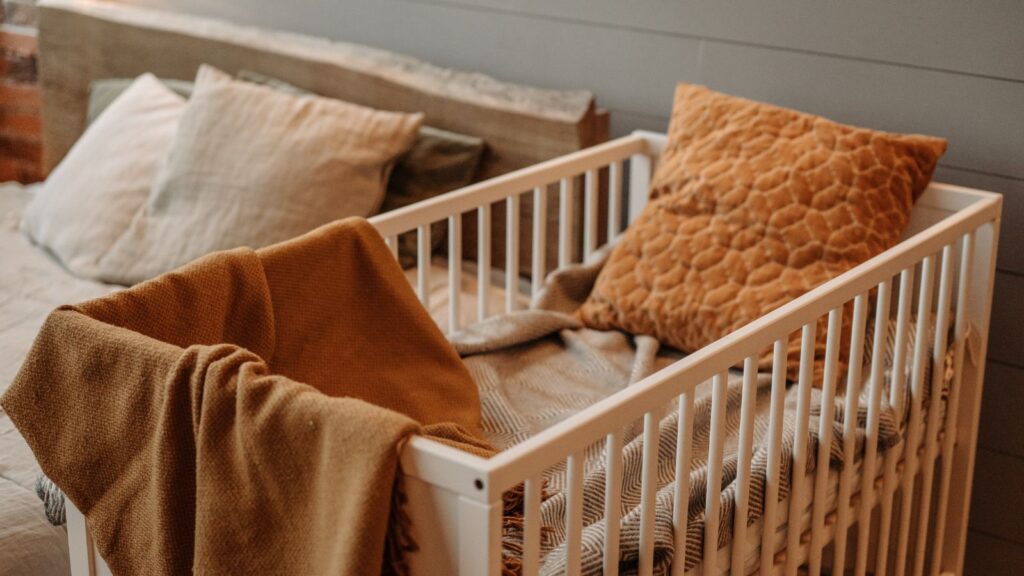
Cribs, bassinets, changing tables, and toddler beds can create safety concerns because older products may no longer meet current standards or may have been recalled.
A donation center also has no reliable way to know how an item was used or whether it has hidden damage. That’s why many ReStores leave baby furniture off their accepted-donation list.
Related: This Donation Center Will Come to Your Home and Pick Up Donations for Free
3. Car Seats and High Chairs
A car seat might look almost new and still be unsuitable for donation. Its history, age, accident history, and expiration date can be difficult to verify.
High chairs can raise similar concerns, particularly if they are missing straps, trays, or other safety components. Many donation centers choose to avoid these products altogether.
4. Sleeper Sofas and Futons
Sleeper sofas can be a tough sell for a ReStore. They’re heavy, take up a lot of floor space, and contain moving parts that can wear out.
Some locations may accept them if they’re clean and in very good condition, while others won’t. Check before bringing one in.
5. Oversized Furniture
Huge entertainment centers, armoires, china cabinets, hutches, and oversized desks can take up valuable sales-floor space. They’re also difficult for staff and customers to move.
A large piece that’s hard to sell can sit around for weeks, so some ReStores have size restrictions or decline certain furniture altogether.
Related: Don’t Rent a Dumpster Yet—ReStore May Pick Up Your Old Cabinets and Building Materials for Free
6. Damaged Cabinets
Cabinets can be great ReStore donations when they’re complete and ready for another project. Missing doors, broken drawers, water damage, or missing hardware can change that.
A cabinet that requires extensive repair may cost more time and money to prepare than the store can justify. Some locations may still accept individual pieces, but it’s best to ask first.
7. Used Doors and Windows
Doors and windows vary widely by location. Some ReStores accept used ones in good condition, while others limit donations to newer products.
Broken glass, damaged frames, failed seals, and outdated construction can make certain pieces difficult to resell. Don’t assume an old window will be accepted just because it’s intact.
8. Bathtubs, Spas, and Jetted Tubs
A standard bathtub may be accepted at some locations, but large whirlpool tubs, jetted tubs, and spa systems can be another story.
They’re heavy, difficult to transport, and may have plumbing or mechanical problems that aren’t obvious at first glance. ReStores with limited storage space may also have little room for them.
9. Countertops and Vanity Tops
A countertop can be useful to another homeowner, but loose sections can be difficult to match with cabinets or fit into another kitchen.
Some ReStores accept countertops when they’re in good shape and large enough to be useful. Others may decline them, particularly if they’re damaged, cut down, or missing related pieces.
Related: How to Seal a Granite Countertop
10. Paint, Stain, and Household Chemicals
Leftover paint may seem like an easy donation, but many ReStores won’t accept it. Paint, stains, solvents, cleaners, and other chemicals can require special handling or disposal.
Rules vary by location, so never leave cans outside the donation area after hours. If your local ReStore doesn’t take them, look for a household hazardous-waste program in your area.
11. Light Bulbs and Fluorescent Fixtures
Used light bulbs and fluorescent tubes can present disposal concerns, particularly products that contain materials requiring special handling.
Some ReStores may accept certain lighting fixtures while refusing loose bulbs or fluorescent tubes. Working condition and type can make a difference.
12. Lumber, Trim, and Construction Scraps
Not every leftover piece of lumber belongs at a ReStore. Short scraps, broken boards, pieces covered in nails, and damaged drywall may be declined because they’re difficult for another person to use.
Clean, straight lumber, complete trim pieces, and other usable building materials have a better chance of being accepted.
13. Outdated Electronics
Old computers, printers, copiers, stereo equipment, and other electronics can quickly become difficult to resell.
Many ReStores have limited interest in outdated technology, particularly equipment that would require repair or special disposal. A local electronics recycling program may be a better destination.
14. Older Television Sets
Those large tube-style televisions are heavy, bulky, and expensive to recycle, which is why many donation centers won’t take them.
Some locations may accept newer flat-screen televisions that work properly. If yours is several years old or doesn’t turn on, call before hauling it over.
15. Toys and Board Games
Habitat ReStores focus on home improvement and household goods rather than children’s merchandise. Toys may also raise concerns about recalls, missing parts, broken pieces, and cleanliness.
A complete, clean item may be accepted at some locations, but many ReStores simply don’t have a market for toys and games.
16. Clothing and Bedding
ReStores aren’t the same as traditional thrift stores. Their main focus is furniture, appliances, building materials, fixtures, and home improvement products.
Because of that, clothing, towels, sheets, blankets, and other personal textiles usually aren’t accepted.
Related: 12 Clothing Items People Wish They Never Donated
17. Curtains, Blinds, and Window Treatments
Window coverings can be tricky donations. Blinds may be missing hardware, curtains may have stains or damage, and buyers may need a very particular size.
Some locations accept certain window treatments in good condition, while others don’t have enough demand to make them worthwhile.
18. Medical Equipment
Walkers, wheelchairs, hospital beds, and other medical equipment can create safety and liability concerns. Used equipment may also need inspection or cleaning before it can be passed along.
For these items, a medical-equipment reuse organization or local nonprofit may be a better choice.
19. Gas-Powered Lawn Equipment
Older lawn mowers, leaf blowers, trimmers, and other gas-powered equipment can be difficult for a ReStore to inspect, test, and repair.
Some locations may accept working equipment, while others don’t have the staff or storage space to deal with it. If the machine leaks fuel, doesn’t run, or needs major repairs, expect it to be refused.
20. Fire Safety Devices and Smoke Alarms
Smoke alarms, fire extinguishers, and other safety equipment aren’t ideal secondhand donations. Expiration dates, testing requirements, and unknown histories make it difficult for a store to know whether the products will work properly.
Since these devices can protect lives, many ReStores won’t accept used versions.
Check Before You Load the Truck
Donation rules aren’t identical at every Habitat for Humanity ReStore. One location may gladly take an item that another location has no room for or isn’t permitted to accept.
A quick phone call or visit to your local ReStore’s donation guidelines can save you an unnecessary trip. If an item is refused, that doesn’t always mean it’s useless. Local recycling programs, specialty nonprofits, community groups, and other reuse organizations may be able to give it a second life.