I love a good thrift store, garage sale, or flea market find. There’s something really satisfying about finding a great piece for a fraction of what you’d pay for it new. But even when I’m excited about something I found, I don’t bring it straight into everyday use.
You don’t really know where a secondhand item has been. It could have spent years in a basement, attic, storage unit, or home with pets and smokers. It may have picked up dust, odors, stains, or pests along the way. And just because something looks clean on a thrift store shelf doesn’t mean it has actually been cleaned.
That’s why I like to give secondhand items a good cleaning before they become part of my home. Some things only need a wash or wipe-down. Others need a much closer inspection before they come anywhere near the living room, bedroom, or kitchen.
If you enjoy secondhand shopping, these are some of the items worth cleaning before you start using them.
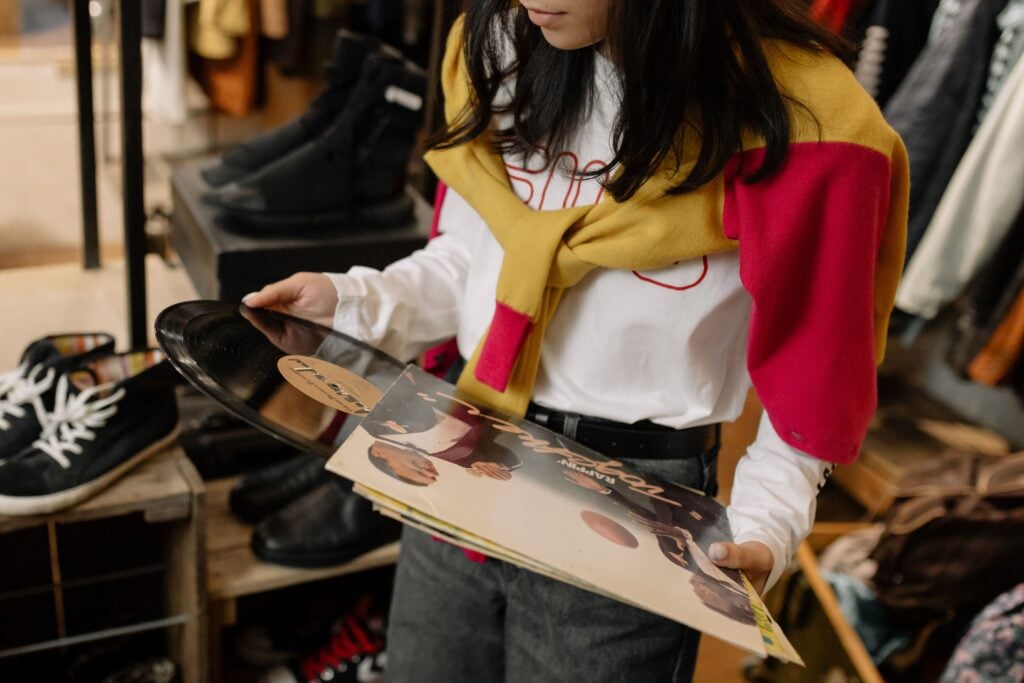
Upholstered Furniture
Secondhand sofas, chairs, ottomans, and other upholstered pieces can hold years of dust, pet hair, odors, and grime. They can also be difficult to clean once they’re sitting in your living room, so inspect them carefully before bringing them inside.
Start by vacuuming the entire piece, including underneath cushions, along seams, and around the bottom. Check for stains, signs of pests, and strong odors. If the care label allows it, use an upholstery cleaner or have the piece professionally cleaned.
Steam cleaning can be useful for some upholstery, but check the manufacturer’s instructions first. Don’t soak the fabric, and give the furniture plenty of time to dry before using it.
Related: Thrifting Is Fun But This Is the One Thing You Should Never Buy
Bedding and Linens
Sheets, blankets, quilts, comforters, and pillowcases should be washed before you use them. These items spend hours against your skin, so I wouldn’t take any chances with something that came from an unknown home.
Check the care label and wash the item using the warmest setting the fabric can safely handle. Dry it completely before putting it away.
For washable bedding that needs a little freshening, adding white vinegar to the rinse can help with odors. Just don’t mix vinegar with bleach or other cleaning products.
Older quilts and delicate linens may need more care. Some are better hand-washed in cool water with a gentle detergent, while particularly valuable pieces may be better left to a professional cleaner.
Related: 9 Things That Should Never See the Inside of Your Dishwasher
Clothing
Clothing is one of the easiest secondhand purchases to clean, so there’s really no reason to skip this step. Jackets, jeans, dresses, sweaters, and everything else should be washed or cleaned according to the care label before going into your closet.
Check the garment while you’re still shopping so you know what kind of care it needs. Some pieces can go straight into the washing machine, while others need hand washing or dry cleaning.
For washable clothing, your regular detergent is usually enough for routine cleaning. If something has a strong odor or you have another reason to give it extra attention, follow the garment’s care instructions and use a laundry product that’s suitable for the fabric.
Shoes and Accessories
Secondhand shoes can be great finds, but don’t forget about everything that has been inside them. Check the insoles, lining, soles, and seams for dirt, damage, odors, or signs of wear.
If the insoles can be removed, take them out and clean or replace them. Wipe the inside according to the shoe material and let the shoes dry completely before wearing them.
Leather, suede, canvas, and synthetic materials all need different care, so use a cleaner made for the material instead of treating every shoe the same way.
Jewelry and accessories deserve a cleaning, too. Give earrings, watches, bags, sunglasses, and other frequently handled pieces a careful wipe before using them.
Stuffed Animals and Plush Items
Secondhand stuffed animals can be adorable, but I wouldn’t hand one to a child without cleaning it first.
Check the care label to see whether the toy can go into the washing machine. If it can, wash it on a gentle cycle and dry it according to the manufacturer’s instructions.
For plush toys that can’t be washed, inspect them closely for stains, odors, damage, or signs of pests. Some washable toys can be surface-cleaned instead. If you’re concerned about bed bugs or another pest, don’t rely on a home cleaning trick alone. It’s better to keep the item isolated until you know it’s safe to bring inside.
Kitchenware and Cookware
Anything that will touch your food deserves a thorough cleaning before you use it. Wash secondhand plates, glasses, mugs, utensils, and cookware with hot, soapy water. If the item is dishwasher-safe, running it through the dishwasher can make the job easier.
Skip items that are cracked, badly chipped, deeply scratched, or otherwise difficult to clean properly.
Cookware needs a little extra attention depending on the material. Cast iron pieces may need to be scrubbed, dried thoroughly, and re-seasoned before they’re ready for cooking.
Don’t use bleach or other strong chemicals on food-contact surfaces unless the product is specifically approved for that use and you follow the directions carefully.
Wood and Metal Furniture
Secondhand dressers, tables, shelves, and other furniture can pick up plenty of dust and grime while sitting in storage or on a sales floor.
Start by vacuuming or dusting the piece, then wipe washable surfaces with a slightly damp cloth and mild soap if the finish allows it. Don’t soak wood, since excess water can damage some finishes. Dry the piece completely afterward.
Metal furniture can usually be wiped down with a suitable household cleaner. Check for rust, loose hardware, damaged finishes, and signs of pests before bringing the piece into your home.
If the wood looks dry, use a furniture product that’s appropriate for its particular finish rather than putting an oil or polish on it automatically.
Decorative Items
Glass vases, ceramics, baskets, rattan pieces, picture frames, and other decorative finds can collect plenty of dust while they’re sitting around.
Wash sturdy items that can safely go into water with warm, soapy water, then rinse and dry them well. For pieces that shouldn’t be submerged, wipe the surface carefully with a damp cloth and use a cleaner that’s safe for the material.
Baskets can be vacuumed first to remove loose dust and debris. Books deserve a little more care. Don’t soak them or spray cleaner directly on the pages. If a book has a musty smell, keep it somewhere dry and well ventilated and check for signs of moisture or mold before putting it on your shelf.
Related: Books You Should Never Leave Behind at the Thrift Store
Electronics
Secondhand electronics such as keyboards, remotes, game controllers, cameras, and small appliances should get a good exterior cleaning before you start using them.
Unplug the device first and remove batteries when appropriate. Put your cleaner or disinfectant on a microfiber cloth rather than spraying it directly onto the electronics. Wipe the surfaces carefully, paying attention to buttons, handles, and other areas that get touched frequently.
A soft brush or dry cotton swab can help remove dust from small crevices. Keep liquids away from charging ports, vents, switches, and other openings.
Before you use any secondhand electronic device regularly, check the cord, plug, battery compartment, and housing for damage. If anything looks cracked, frayed, burned, or unsafe, have it checked by someone qualified or leave it behind.
Other Posts You Might Like
- 20 Collectibles in Your Parents’ House That Could Be Worth a Fortune
- 13 Random Items in Your Home That Could Be Worth Thousands
- From Oil Lamps to Porcelain Pigs, These Are the Strangest Things People Collect
- 13 Garage Sale Items That Collectors Actively Look For (and Pay Well For)
- 17 Everyday Items in Your Kitchen That Are Secretly Valuable