Goodwill is a familiar name in thrift shopping, but plenty of people still have questions about how its stores work and where the money goes. Every year, people donate clothing, books, furniture, and household goods, yet the work behind those donations often goes unnoticed.
From job training to online auctions, Goodwill organizations do more than sell secondhand goods. Here are seven common assumptions about Goodwill that don’t tell the whole story.
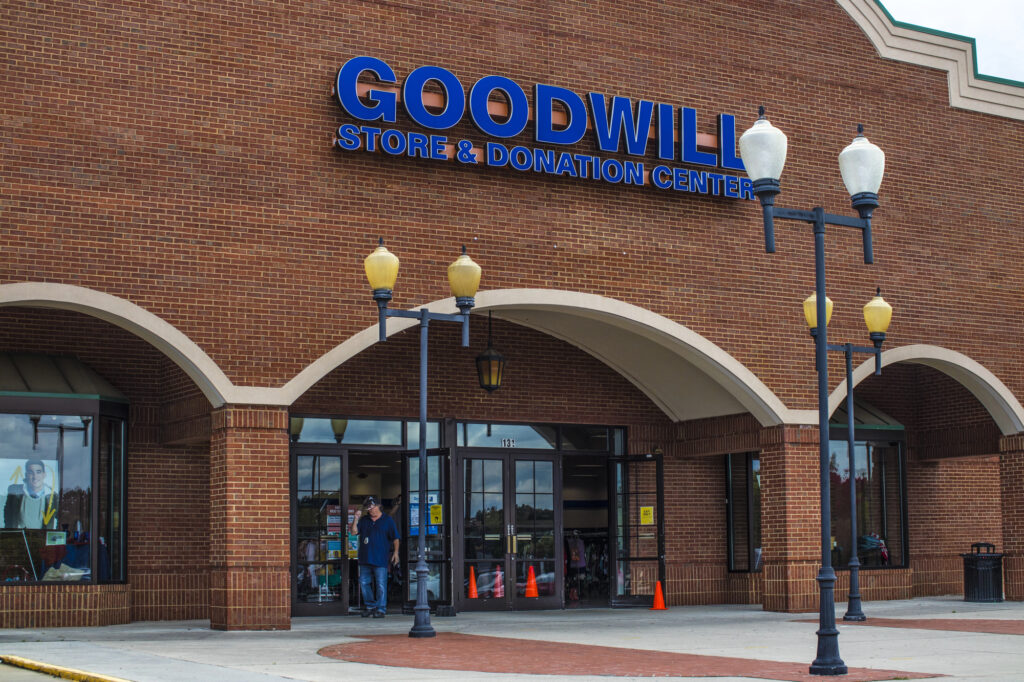
Goodwill Isn’t Just a Thrift Store
Selling donated items is a big part of Goodwill, but many local organizations also run employment programs and job training services. These programs can help people build workplace skills, prepare for interviews, and find jobs.
Related: Goodwill Shoppers Say the Chain Has Forgotten Its Original Mission
Most of the Money Goes Back Into the Mission
Goodwill is a nonprofit, but that doesn’t mean every dollar from a sale goes straight to a charitable program. Store revenue helps cover business costs and, depending on the local organization, can also support job placement, résumé help, career coaching, and computer skills classes.
Related: 10 Used Items That Are Better Bought New Than at Goodwill
Donations Often Stay in the Local Community
Many people assume their donations are shipped far away, but Goodwill operates through separate regional organizations that manage their own stores and programs. In many areas, sales help fund local services, though the exact programs and how donated goods are handled vary by organization.
Goodwill Offers More Than Job Training
Job training is one part of Goodwill’s work, and some local groups offer services that address other everyday needs. Depending on the location, these may include financial literacy classes, computer lessons, transportation help, housing referrals, veteran support, or partnerships with local employment agencies.
Related: The Things Goodwill Employees Wish People Knew Before Donating
Some Goodwill Locations Offer Unique Community Programs
Services vary from one Goodwill organization to another, so the programs available in one city may not be offered in the next. Some locations run culinary or retail training, provide seasonal tax-preparation assistance, or partner with other local groups to meet needs in their area.
Goodwill Has an Online Store
Some donated items are sold through Goodwill’s online marketplace and auction sites instead of appearing on local store shelves. Shoppers can find items such as jewelry, collectibles, electronics, designer clothing, artwork, and antiques without visiting a physical store.
Related: 16 Best Online Thrift Stores for Furniture and Home Decor
Running a Goodwill Store Costs Money Too
A nonprofit thrift store still has bills to pay, including wages, rent, utilities, transportation, warehouse space, and the cost of sorting and processing donations. Sales help cover these expenses and fund local programs, so the full amount from a purchase doesn’t go directly to charity.