I used to treat my car’s glove compartment like a catch-all drawer. Receipts, loose change, paperwork, snacks, and random odds and ends would end up there simply because I didn’t know where else to put them.
It seemed like a handy way to keep the clutter off my seats. After thinking about how much the temperature inside a parked car can change, though, I started looking at that little compartment differently.
A glove box offers very little protection from extreme heat or cold. It’s also one of the first places someone might check if they break into your vehicle, so it’s a poor place to leave personal information or anything valuable.
Here are eight things I’ve stopped storing in mine.
Important Documents
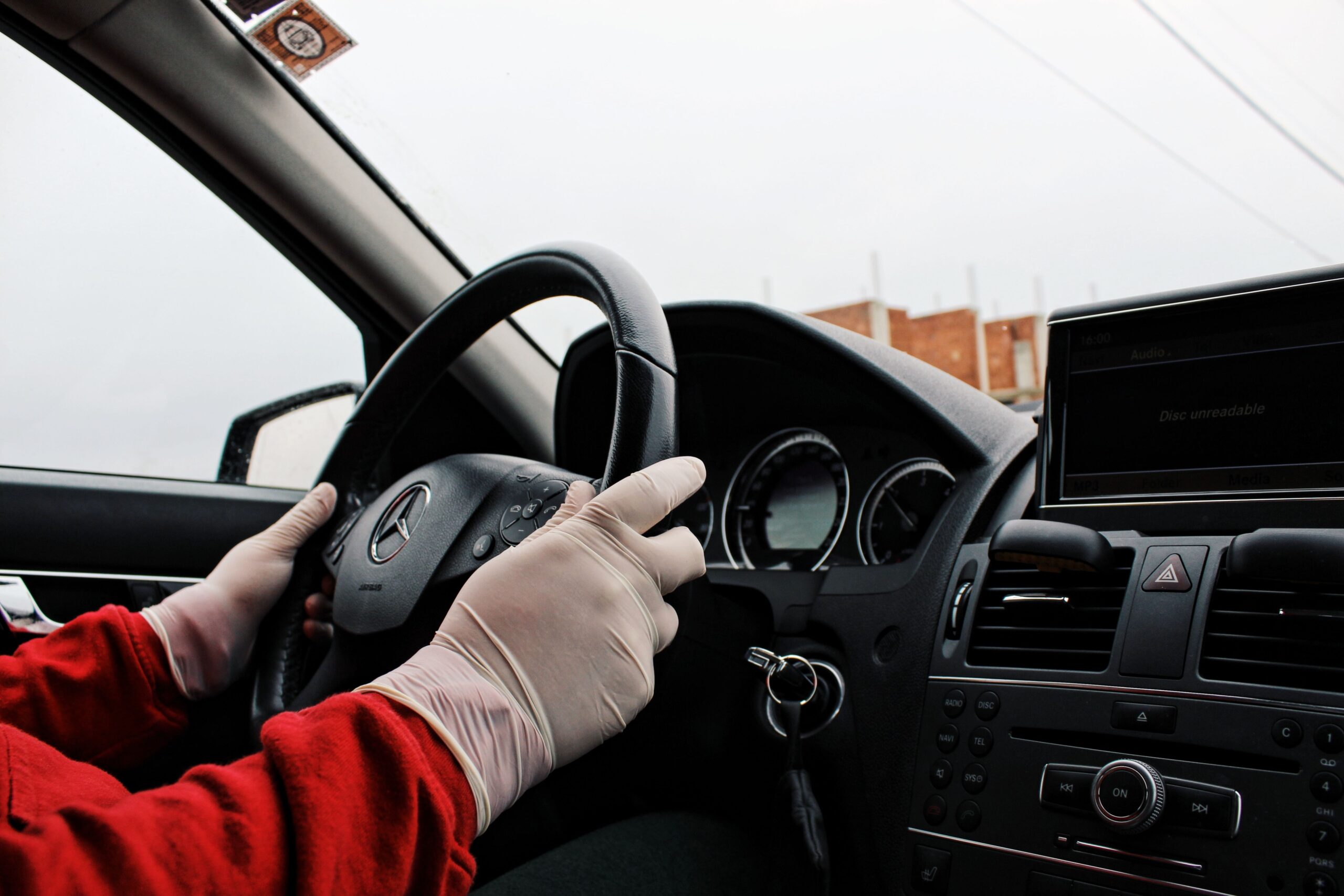
Insurance papers and vehicle registration are common glove box items, but it’s better to keep other personal paperwork at home. Documents with your name, address, policy details, or other private information could cause problems if someone steals them during a break-in.
I keep only the vehicle documents I need while driving and store everything else in a secure document organizer.
Spare Change
I used to drop loose coins into the glove box whenever I had change left over from a purchase. It didn’t take long for a small pile to build up, but leaving money in an easy-to-find spot can give someone another reason to search your car.
Now I bring my change inside instead of letting it collect in the vehicle. A small zippered coin pouch keeps coins together if I need to carry them.
Aerosol Cans
Don’t leave deodorant, hairspray, spray cleaners, and similar products in a hot car for long periods. High temperatures can increase the pressure inside aerosol containers, raising the risk of leaks or other problems.
I keep these products indoors and bring one along only when I expect to use it. That also prevents a leaking can from leaving a sticky mess inside the glove compartment.
Related: 14 Things Neighbors Do That Can Ruin a Quiet Neighborhood
Medications
Keeping medicine in the car might seem convenient if you need it during the day. The trouble is that many medications have specific storage requirements, and the temperature inside a parked vehicle can go well beyond the recommended range.
I prefer to carry medication with me rather than leave it in the glove box. For temperature-sensitive items, an insulated travel medication case may help during a trip, though it’s still important to follow the product’s storage instructions.
Personal Care Products
Sunscreen, lotion, makeup, and lip balm can all suffer inside a hot vehicle. Makeup may melt, lotions can separate, and some products may leak or change texture after sitting in high temperatures.
I keep these items in a small bag that I can take with me when I leave the car. That way, they don’t sit in the glove box for hours and turn into a mess.
Electronics and Batteries
Phones, power banks, spare batteries, and other small electronics are poor choices for long-term storage in the car. Heat can damage batteries, reduce their capacity, and, in some cases, cause them to swell or leak.
Cold weather can also affect how electronic devices work, and the glove box doesn’t protect them from either condition. I take my electronics with me and use a protective tech organizer to keep small devices and cables together.
Snacks
A few snacks in the car can come in handy during a long drive, but the glove box isn’t a good place to store them for days. Heat can melt chocolate and granola bars, while crumbs and forgotten food can attract insects.
I bring snacks when I need them and take out any leftovers when I get home. This small habit keeps old food and wrappers from collecting in the compartment.
Plastic Water Bottles
It’s tempting to leave a disposable water bottle in the car for the next time you’re thirsty. Prolonged heat can affect the water’s taste and may change the plastic bottle, so it’s better not to leave bottles sitting in a hot vehicle.
I prefer to take my water in a reusable, insulated stainless steel bottle. It keeps drinks cool and gives me a bottle I can wash and reuse.