Most plumbing problems don’t announce themselves with a burst pipe or a flooded bathroom. In many cases, the warning signs start small and worsen over time, often hiding behind walls, beneath floors, or underground, where they’re easy to overlook.
That’s what makes plumbing issues so expensive. A minor leak, hidden blockage, or damaged pipe can go unnoticed for months before it turns into a major repair bill.
However, knowing what to watch for can help you catch a problem early and avoid a much larger headache later.
1. Discolored Pipes
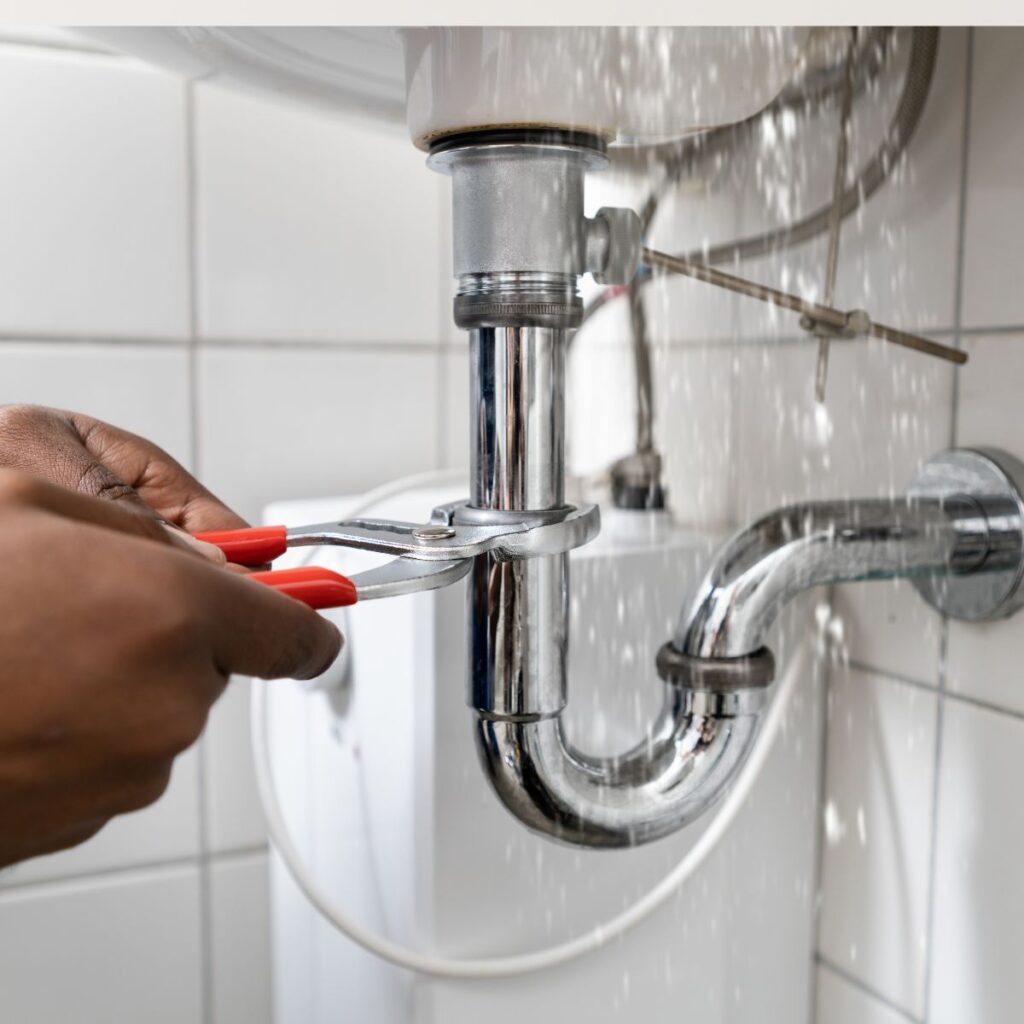
Take a look at any exposed pipes under sinks, in the basement, or near your water heater. Rust-colored stains, green corrosion, or dark discoloration around joints often indicate moisture is present and may signal a slow leak that’s been developing for some time.
While the leak may seem minor now, pressurized water lines can fail unexpectedly. Catching corrosion early can help prevent a much larger plumbing emergency down the road.
2. Sewer Smells Inside the House
A healthy plumbing system should keep sewer gases outside where they belong. If you notice unpleasant sewage odors coming from sinks, tubs, showers, or other areas of the house, it may indicate a dry drain trap, damaged vent pipe, or problem within the sewer system.
Sometimes the solution is as simple as adding water to an infrequently used drain. Other times, persistent odors may point to a hidden plumbing issue that requires further investigation.
3. Weak Water Pressure Throughout the House
Low water pressure at a single faucet is often caused by a clogged aerator or fixture. However, when multiple faucets and showers throughout the home experience reduced pressure, the problem is usually more serious.
Hidden leaks, pipe corrosion, water main issues, or water heater problems can all affect water pressure. If the problem appears suddenly, it’s worth investigating before it gets worse.
4. Drains That Empty Slowly
A slow-draining sink or shower can sometimes be traced to hair, soap scum, or debris near the drain opening. But when several drains throughout the house begin to slow at the same time, it could indicate a blockage deeper in the plumbing system.
Tree roots, damaged sewer lines, or major clogs can restrict water flow and, if ignored, eventually lead to backups.
5. Water Stops Flowing During Cold Weather
A sudden loss of water during winter is often a sign that pipes have frozen. Frozen pipes are more than an inconvenience; they can crack or burst, causing extensive water damage once temperatures rise and the ice begins to thaw.
Homes with pipes running through crawl spaces, garages, attics, or exterior walls are particularly vulnerable. Addressing the issue quickly can help prevent costly repairs.
6. Unexpected Increases in Your Water Bill
If your monthly water bill suddenly jumps without any obvious change in usage, your plumbing may be trying to tell you something. Hidden leaks, running toilets, and dripping fixtures can waste hundreds or even thousands of gallons of water before they’re discovered.
A quick review of your usage patterns can often reveal whether a plumbing issue is responsible for the higher bill.
Related: 9 Ways To Reduce Your Water Bill and Keep More Money in Your Pocket
7. Bubbling Paint or Water-Stained Walls
Peeling paint, bubbling drywall, or brown stains appearing on walls and ceilings are often signs of moisture lurking where it shouldn’t be. Water from leaking supply lines, drain pipes, or even plumbing fixtures located above can slowly saturate building materials over time.
The longer moisture remains hidden, the greater the risk of mold growth and structural damage.
8. Water That Looks Cloudy, Brown, or Green
Water coming from your faucet should be clear and clean. If it suddenly appears cloudy, rusty, yellow, brown, or green, it may indicate corrosion, sediment buildup, trapped air, or problems within your plumbing system.
Discolored water doesn’t always signal a serious issue, but it should never be ignored. Changes in water appearance often warrant a closer look, especially if they persist for more than a short period.
Related: 14 Things Every Prepper Should Stockpile Besides Food and Water
9. A Toilet That Rocks or Wobbles
A toilet should feel firmly attached to the floor. If it shifts, rocks, or moves when you sit down, there may be a problem with the mounting bolts, wax ring seal, or even the subfloor beneath it. A failed seal can allow water to seep beneath the toilet, slowly damaging flooring materials and creating conditions for mold growth.