A small house can start feeling cramped surprisingly fast, and it’s easy to assume the solution is more square footage. But sometimes the bigger problem is simply too much stuff competing for every wall, closet, drawer, and surface.
Once certain things leave the house, rooms suddenly feel lighter, cleaner, and easier to move through. Here are some of the things that often make the biggest difference when removed from a smaller home.
Oversized Furniture
Large sectionals, bulky dressers, heavy armoires, and oversized coffee tables can overwhelm a small room almost immediately. Even if the furniture technically fits, it often eats up valuable walking space and makes ceilings feel lower and rooms feel tighter.
Switching to slimmer furniture, apartment-sized pieces, or furniture with visible legs can completely change how open a room feels.
Related: 10 Places That Will Take Your Furniture Donations
Dining Tables That Rarely Get Used
Formal dining tables take up a surprising amount of space for something many households barely use anymore. In smaller homes, that space often functions better as a reading area, office nook, hobby room, or flexible open space.
Expandable tables, folding tables, or narrow console-style tables can make a room far more functional without sacrificing occasional seating.
Too Many Books
Books add warmth and personality to a home, but large collections can quickly become visually heavy. Tall, wall-to-wall bookcases tend to make smaller rooms feel more crowded than cozy.
Keeping only favorite or meaningful books while switching to library books, eReaders, or audiobooks can free up far more space than expected.
Related: How to Create the Perfect Cozy Reading Nook
Clothes That Never Get Worn
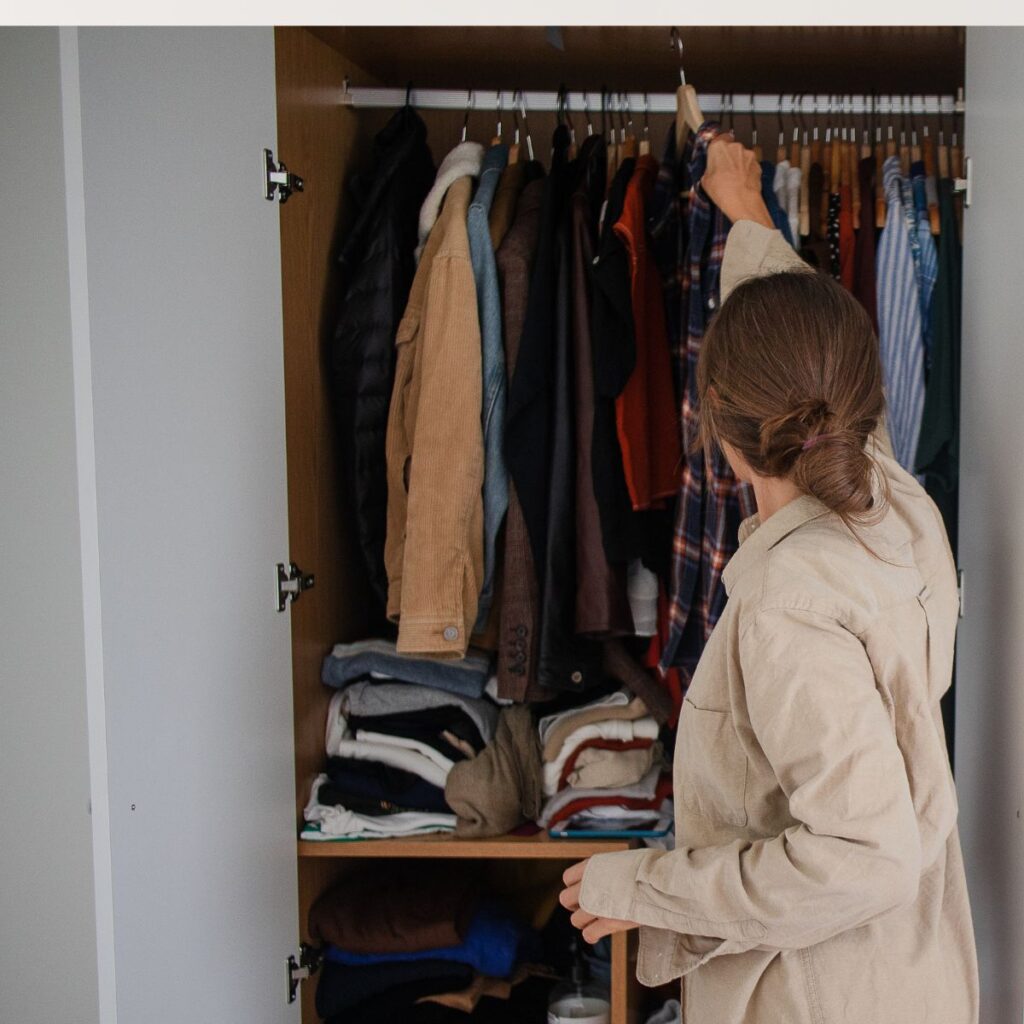
Closets tend to hold far more clothing than most people actually wear regularly. Old sizes, “someday” outfits, duplicate basics, and impulse purchases quietly take over storage space over time.
Once the extras are gone, bedrooms and closets instantly feel calmer and easier to manage.
Extra Kitchen Gadgets
Bread makers, yogurt makers, specialty appliances, duplicate utensils, and one-use gadgets often take over kitchens without adding much daily value.
A simplified kitchen with only the items regularly used tends to feel cleaner, easier to cook in, and much less cluttered overall.
Coffee Tables
Large coffee tables often become catch-all surfaces for mail, cords, remotes, dishes, and random clutter. In small living rooms, they can also interrupt movement and make the entire space feel tighter.
Replacing them with smaller movable tables or removing them completely can immediately open up a room.
Bulky Bed Frames
Heavy bed frames with thick bases, storage drawers, or oversized headboards can dominate small bedrooms. Beds with open space underneath create more visual breathing room and make the room feel less crowded.
Murphy beds, minimalist frames, or lower-profile setups can dramatically improve small spaces.
Decorative Clutter
Small decorative items rarely seem like a problem individually, but together they create visual noise. Shelves filled edge-to-edge, crowded counters, and every surface covered in decor can make a home feel mentally exhausting.
Leaving more open space often makes a room feel cleaner and bigger without changing anything else.
Related: 10 Ways to Declutter Your Home Without Feeling Overwhelmed
Exercise Equipment That Isn’t Used
Unused treadmills, bikes, weights, and other workout equipment can take up entire corners or rooms. When exercise gear becomes permanent storage rather than something actively used, it quickly starts to shrink the usable space in a home.
Removing it often gives the room an entirely new purpose.
Too Many Towels and Linens
Most households own far more towels, blankets, and bedding than they realistically use. Linen closets quietly become overstuffed with bulky items that rarely leave the shelf.
Cutting back to practical amounts frees up storage space surprisingly quickly.
Furniture That Serves Only One Purpose
Single-purpose furniture is harder to justify in smaller homes. Multi-functional furniture that folds away, offers storage, expands, or moves easily tends to make compact homes feel much more flexible.
The less bulky and rigid the furniture is, the easier the home feels to live in.
Storage Bins Filled With “Just in Case” Items
Storage bins can easily become permanent holding places for things that probably aren’t needed anymore. Organizing clutter still leaves you with clutter — it just looks neater.
Letting go of items that haven’t been touched in years often creates far more breathing room than buying additional storage ever does.
Spare Guest Furniture
Entire guest room setups often use valuable square footage for visitors who stay only occasionally. Guest beds, dressers, and unused bedroom furniture can make a home feel smaller every single day for the sake of rare overnight guests.
Flexible spaces with Murphy beds, sleeper sofas, or convertible furniture usually work much better in compact homes.
Furniture That Blocks Light and Airflow
Heavy furniture placed in front of windows, crowded pathways, or oversized entertainment centers can make rooms feel darker and more closed in.
Simply opening sight lines, exposing more floor space, and allowing natural light to travel through the room can make a home feel noticeably larger almost instantly.