Grocery prices have climbed steadily in recent years, and many households are feeling the strain every time they check out at the store. Even a quick trip for a few basics can add up faster than expected. The good news is that small changes in how you shop can make a noticeable difference in your weekly spending.
Cutting your grocery bill in half might sound extreme, but many frugal shoppers rely on simple habits that dramatically lower their food costs over time. From planning ahead to avoiding common store traps, these grocery shopping tricks can help stretch your food budget much further.
Here are 16 grocery shopping tricks that could cut your food bill in half.
Buy Whole Fruits and Vegetables
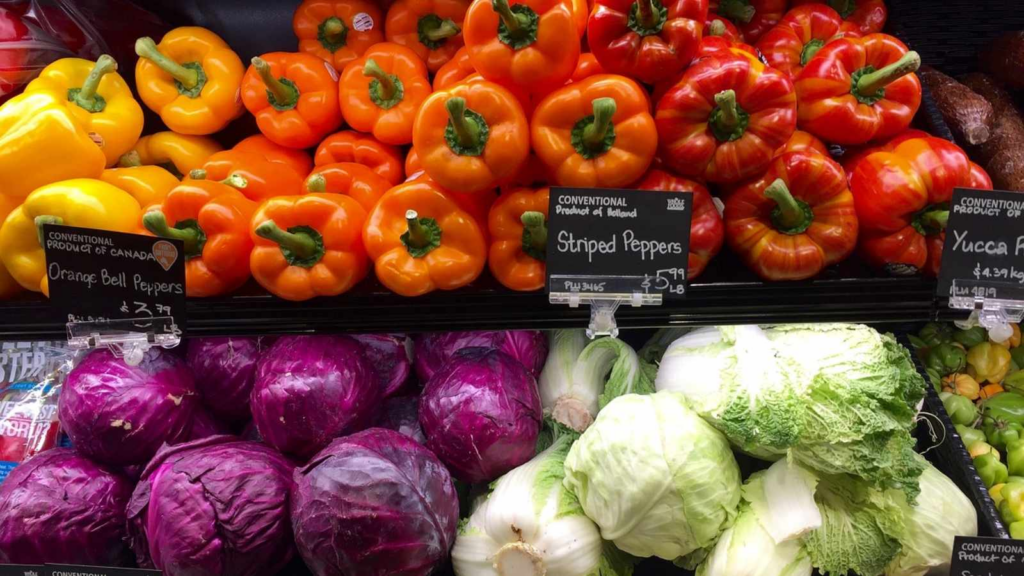
Pre-cut fruit, bagged salads, and chopped vegetables are convenient, but that convenience comes with a higher price. Whole produce is almost always cheaper and often stays fresh longer.
Taking a few minutes at home to wash and cut produce yourself can save a surprising amount over time.
Buy Produce in Season
Fruits and vegetables that are in season tend to be both cheaper and of better quality. When crops are plentiful, stores often lower prices because supply is high.
Shopping seasonally can help you enjoy fresher produce while keeping your grocery bill lower.
Related: The Dirtiest Fruits and Vegetables You’re Probably Eating
Don’t Shop While Hungry
Shopping while hungry often leads to impulse purchases. When you’re hungry, it’s easier to grab snacks, treats, or convenience foods that weren’t on your list.
Having a meal or snack before you shop can help you stay focused on what you actually need.
Create a Grocery List
One of the easiest ways to control spending is to walk into the store with a clear plan. A grocery list helps you stay organized and prevents you from wandering through aisles picking up unnecessary items.
Whether you use a phone app or a simple piece of paper, having a list keeps your shopping focused.
Take Inventory Before Shopping
Before heading to the store, take a quick look through your pantry, refrigerator, and freezer. This simple step helps you avoid buying duplicates of items you already have.
Knowing exactly what you need can reduce waste and keep your grocery spending under control.
Plan Your Meals Ahead of Time
Meal planning helps you buy exactly what you need for the week instead of guessing while you shop. Planning meals also reduces the temptation to order takeout when you’re unsure what to cook.
Even planning just a few meals ahead can make grocery shopping much more efficient.
Check Unit Prices
Shelf labels often show the unit price, which tells you the cost per ounce, pound, or item. This makes it easier to compare different package sizes.
Sometimes the larger package is cheaper, but not always, so checking the unit price can help you choose the better deal.
Buy in Bulk When It Makes Sense
Staples like rice, beans, pasta, flour, and coffee are often cheaper when purchased in larger quantities. Buying in bulk can significantly reduce the cost per serving.
Just make sure it’s something you’ll actually use before it expires.
Use a Smaller Cart or Basket
Large carts make it easy to keep adding items. Using a small cart or hand basket naturally limits how much you can carry.
This simple trick can help prevent overbuying during quick shopping trips.
Buy Store Brands
Store brands are often significantly cheaper than name brands, even though they’re frequently made by the same manufacturers.
For many products like canned goods, pasta, baking ingredients, and dairy, store brands can offer nearly identical quality at a lower price.
Use Coupons
Coupons can still be a helpful way to reduce grocery costs. Many stores offer digital coupons through their apps or websites. Stacking coupons with sale prices can lead to even bigger savings.
Join Store Loyalty Programs
Most grocery stores offer free loyalty programs that provide special discounts for members. These deals are often automatically applied at checkout.
Members may also receive personalized coupons or extra savings on frequently purchased items.
Use Cash Back Apps
Rebate apps allow shoppers to earn small amounts of money back on groceries they already plan to buy. After purchasing, you can upload your receipt or link your store account to receive cash back.
Over time, these rebates can add up to meaningful savings.
Compare Prices at Different Stores
Different grocery stores often have different pricing strategies. One store might have cheaper produce, while another has better prices on pantry staples.
Shopping at multiple stores or rotating among them can help you find the best deals.
Avoid Store Displays That Encourage Bundles
Stores often group products together to encourage shoppers to buy multiple items. For example, chips may be displayed next to salsa and dip.
Sticking to your list instead of grabbing the entire display can help keep your total lower.
Grow Simple Foods at Home
Even a small herb garden can help reduce grocery spending. Herbs like basil, parsley, and mint can be expensive in stores but are easy to grow at home.
Growing your own herbs or a few vegetables can add fresh flavor to meals while cutting back on grocery costs.