It’s not always the obvious places that collect the most germs. While countertops and bathroom sinks get regular attention, many everyday surfaces quietly accumulate dirt, moisture, and bacteria without us realizing it. Over time, these overlooked areas can become prime spots for buildup, especially when they’re rarely included in routine cleaning.
From frequently touched items to forgotten corners, some of the dirtiest places in your home are hiding in plain sight. The good news is that once you know where to look, these germ hotspots are easy to tackle with a deeper, more intentional clean. Here are 16 hidden areas that deserve a little more attention in your regular cleaning routine.
Behind the Kitchen Stove
The space behind your stove is easy to forget, but it’s one of the greasiest areas in the kitchen. Food crumbs, splattered oil, and dust collect quickly, creating odors and even attracting pests. If possible, carefully pull the stove away from the wall and clean the floor and surrounding surfaces thoroughly. Keeping this area clean also reduces the risk of fire.
Around and Behind the Toilet
Most people clean the inside of the toilet bowl and wipe down the seat, but the area behind and around the base is often overlooked. Dust, grime, and splashes can accumulate along the floor and walls. Use a disinfecting cleaner and thoroughly wipe down the surrounding surfaces to prevent buildup.
Underneath Furniture
Under beds, couches, and dressers is prime territory for dust, pet hair, and stray clutter. These hidden spots can impact air quality over time. Move furniture when possible and vacuum or sweep thoroughly to remove debris.
Garbage Disposal
Your garbage disposal handles food scraps daily, and odors can build up fast. Freshen it naturally by grinding citrus peels such as lemon or orange. You can also run ice cubes through it to help dislodge residue, followed by baking soda and vinegar to neutralize smells.
DIY Garbage Disposal Cleaner Tabs
The Coffee Maker
Coffee makers often go weeks or months without proper cleaning. Over time, mineral deposits and bacteria can accumulate inside the machine, affecting flavor and performance. Running a descaling cycle with vinegar or a manufacturer-approved cleaner helps keep your coffee tasting fresh and your machine running efficiently.
How to Clean a Coffee Maker with Vinegar
Grout
Tile grout can darken over time as it absorbs dirt and moisture. In bathrooms, especially, it can also harbor mold and mildew. Regular scrubbing with a gentle cleaner prevents buildup and keeps tiled areas looking bright and clean.
Showerhead
Even if your showerhead looks clean on the outside, mineral deposits and bacteria can collect inside. Soaking it in white vinegar for about an hour helps dissolve buildup. Gently scrubbing afterward ensures better water flow and improved hygiene.
Kitchen Sponge
Kitchen sponges are one of the germiest items in the home. Because they stay damp and come into contact with food particles, bacteria multiply quickly. Sanitize them regularly by soaking in a bleach solution or replacing them often to avoid spreading germs.
Kitchen Sink
The kitchen sink handles everything from raw food prep to dirty dishes, making it a high-risk zone for bacteria. Wash it daily with warm, soapy water and disinfect it weekly to reduce buildup and odors.
Inside the Dishwasher
Even though it cleans dishes, the dishwasher itself collects food debris and mineral deposits over time. Regularly cleaning the filter and running an empty cycle with vinegar or a dishwasher cleaner helps prevent odors and maintain performance.
Ceiling Fans and Light Fixtures
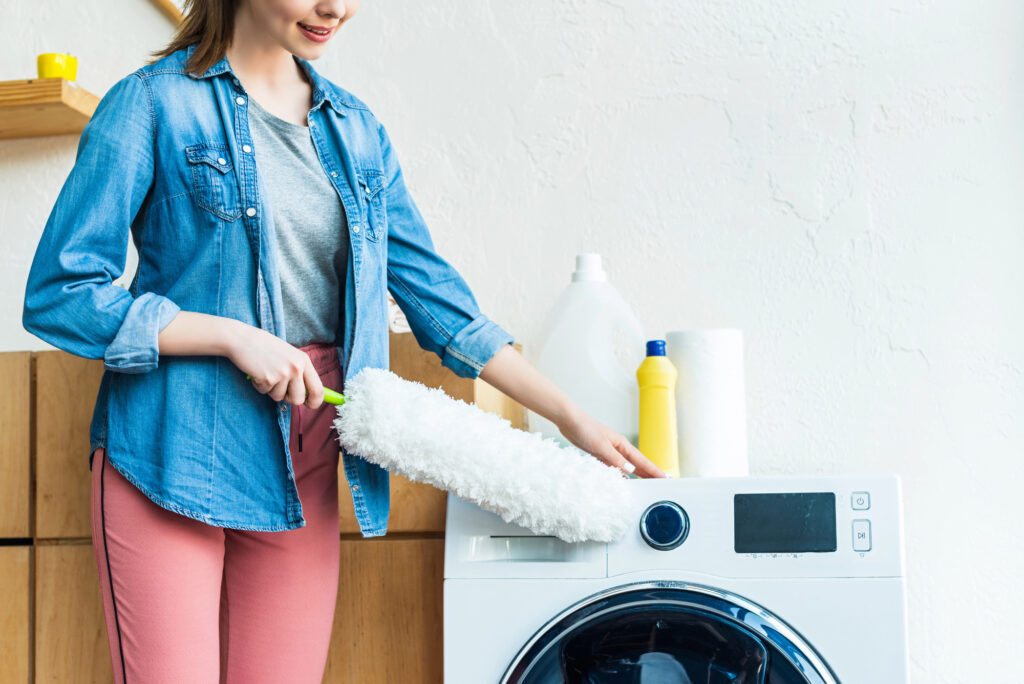
Because they’re out of reach, ceiling fans and light fixtures collect layers of dust that often go unnoticed. Use an extendable duster to remove buildup regularly. For deeper cleaning, wipe blades and fixtures with a damp cloth.
Baseboards
Baseboards collect dust, scuffs, and grime from daily traffic. A simple wipe-down with a microfiber cloth and mild cleaner keeps them looking fresh and prevents dust from circulating through the room.
Windows
Windows accumulate fingerprints, smudges, and dust from frequent opening and closing. Cleaning the glass and wiping down the frames helps improve both appearance and natural light.
Blinds
Blinds trap dust easily, especially in high-traffic areas. A damp microfiber cloth or blind-cleaning tool makes it easier to wipe away buildup and keep them looking clean.
Washing Machine
Your washing machine can develop odors from detergent residue and trapped moisture. Running a monthly cleaning cycle with vinegar or bleach helps keep the drum fresh and prevents musty smells from transferring to your clothes.
Common Household Items You Should Never Put in Your Washing Machine
Toothbrush Holder
Often overlooked, toothbrush holders can harbor bacteria due to moisture and bristle debris. Wash them weekly, either in the dishwasher if safe or by hand with hot, soapy water, to keep germs in check.
Other Posts You Might Like
- How to Clean a Couch with a Steam Cleaner
- This Is What People With Clean, Organized Homes Do Differently
- 12 Hidden Habits of People Who Always Have An Immaculately Clean and Organized Home
- 19 Airbnb Cleaning Hacks (Cleaning Secrets for Hosts)
- Grandma’s Best Kept Cleaning Tips That Put Today’s Cleaning Routines to Shame