Most people scrape kitchen scraps into the trash without realizing how useful many of them can be in the garden. Using these scraps in the garden is an easy way to reduce waste while naturally improving your soil.
Many kitchen leftovers can help add nutrients, improve soil texture, feed beneficial worms and microbes, and even discourage certain garden pests. While some scraps work best in compost first, others can go directly into garden beds.
Here are 10 kitchen scraps you should be using in the garden.
Eggshells
Eggshells are one of the easiest and most useful kitchen scraps for gardeners to save. They’re loaded with calcium, which helps support strong plant growth and can help prevent problems like blossom-end rot in tomatoes, peppers, and squash.
Rinsing and crushing the shells before adding them to the soil helps them break down faster. Sprinkling crushed shells around plants may also help discourage slugs and snails from crawling through garden beds.
Related: I Save My Eggshells for This Brilliant Outdoor Hack
Coffee Grounds
Used coffee grounds add nitrogen and organic matter to the soil, making them especially useful for compost piles and nutrient-hungry plants. They can also help improve soil texture and moisture retention when used in moderation.
The key is not to pile them on too heavily. Thick layers can compact easily and block water or airflow, so it’s best to sprinkle them lightly or mix them into compost or soil.
Banana Peels
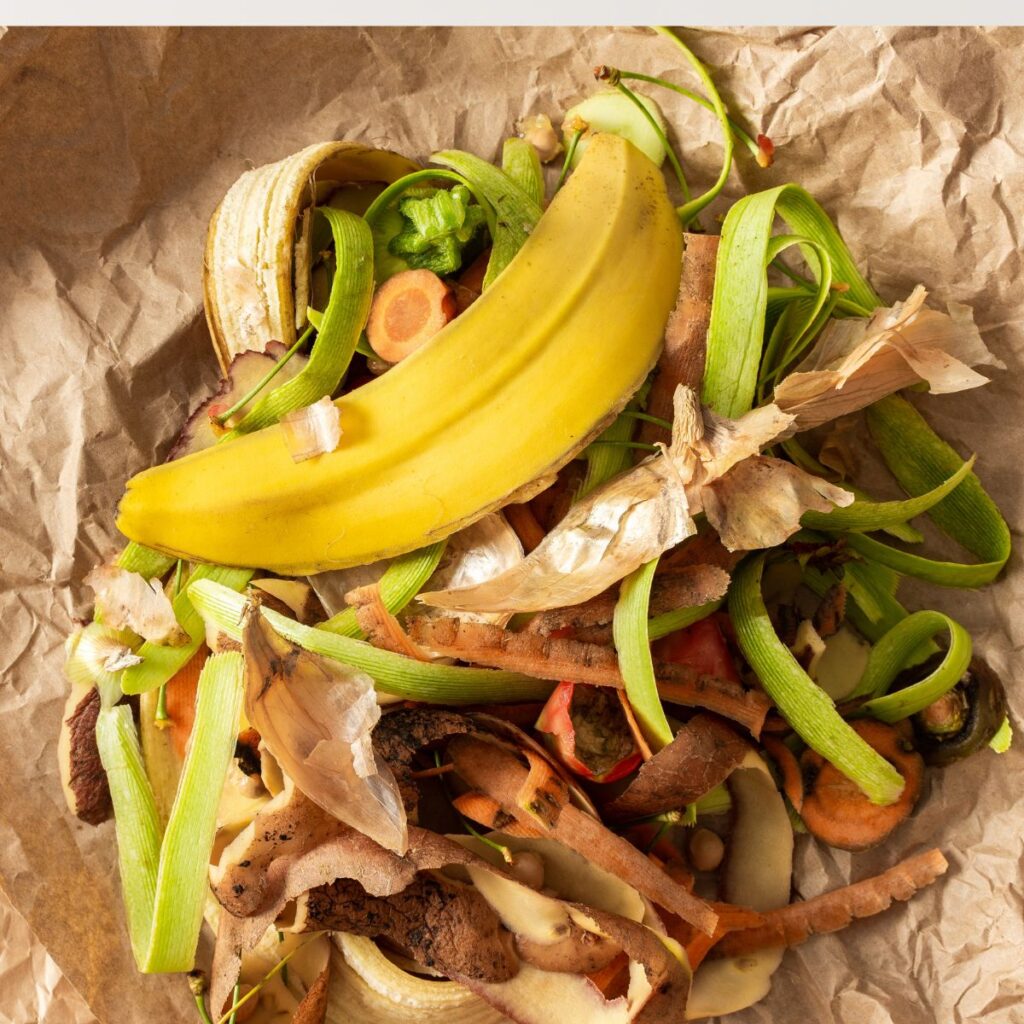
Banana peels are packed with potassium and phosphorus, two nutrients plants need for strong roots, flowering, and fruit production. As they break down, they slowly feed the soil and improve overall plant health.
Chopping the peels into smaller pieces helps them decompose more quickly. Burying them a few inches below the soil also helps prevent attracting pests or animals.
Citrus Peels
Orange, lemon, lime, and grapefruit peels can actually help deter certain pests in the garden. Their strong scent may discourage ants, aphids, and even neighborhood cats from digging around plants.
Chopped citrus peels can also be mixed into the soil, where they gradually break down and add small amounts of nutrients. Since they decompose slowly, smaller pieces work best.
Related: Stop Throwing Away Orange Peels — Some Call Them Trash, Others Call Them Kitchen Gold
Onion and Garlic Skins
Those papery onion and garlic skins are surprisingly useful in garden beds. They contain sulfur compounds that may help naturally discourage certain pests and fungal issues.
Sprinkling them lightly around plants or adding them to compost helps recycle nutrients back into the soil instead of tossing them in the trash.
Tea Leaves
Used tea leaves still contain organic matter and trace minerals even after brewing. Mixed into the soil or compost, they can help improve soil structure and feed beneficial microbes underground.
Herbal teas can be especially useful because some herbs naturally contain mild antifungal or pest-deterring properties.
Lettuce Cores and Vegetable Ends
Instead of throwing away lettuce cores, celery bases, green onion roots, or similar vegetable scraps, many of these can actually be regrown. Placing them in shallow water near sunlight often encourages fresh roots and new growth surprisingly quickly.
Once roots develop, they can be transplanted into containers or garden beds for continued growth.
Potato Peels
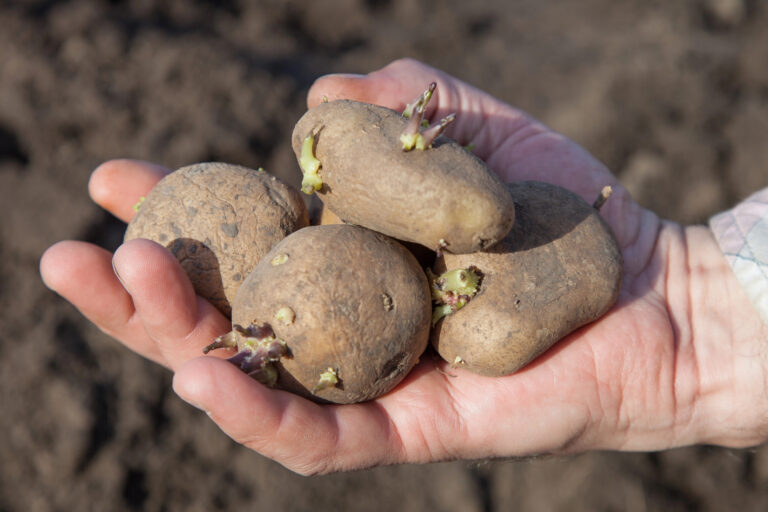
Potato peels contain potassium and organic matter that can enrich the soil as they decompose. Buried beneath the surface, they help feed worms and beneficial microbes that improve soil health over time.
The important thing is to avoid using peels from diseased potatoes, since certain plant diseases can survive and spread in garden soil.
Bean Water and Aquafaba
The leftover liquid from canned beans or cooked chickpeas contains starches and trace nutrients that plants can benefit from when diluted. Many gardeners use it to lightly water garden beds or add moisture and nutrients to compost piles.
Unsalted versions work best, since excess sodium can damage plants and soil over time.
Spicy Pepper Scraps
Hot pepper scraps contain capsaicin, the same compound that gives peppers their heat. Some gardeners place pepper scraps around vulnerable plants to help discourage animals and insects from nibbling on them.
Other Topics You Might Like
- 13 Gardening Antiques Collectors Love and Often Pay Up For
- I Stopped Buying Fertilizers After Years of Gardening and Started Using This Instead
- Some of the Best Gardening Tips I Ever Got That Break All the Rules
- 9 Vintage Gardening Tools Hiding in Grandma’s Potting Shed— Some Could Be Worth a Small Fortune