Walk through a modern high school, and you’ll find classes focused on coding, digital media, business technology, and career pathways that barely existed a few decades ago. But for many Baby Boomers, school looked very different, with classes designed to teach practical skills for everyday life, office work, home management, and hands-on trades.
Many of these subjects haven’t completely disappeared, but they’ve been renamed, restructured, or absorbed into newer programs. Here are 10 high school classes that were once common for Boomers but would leave many students today scratching their heads.
Typing
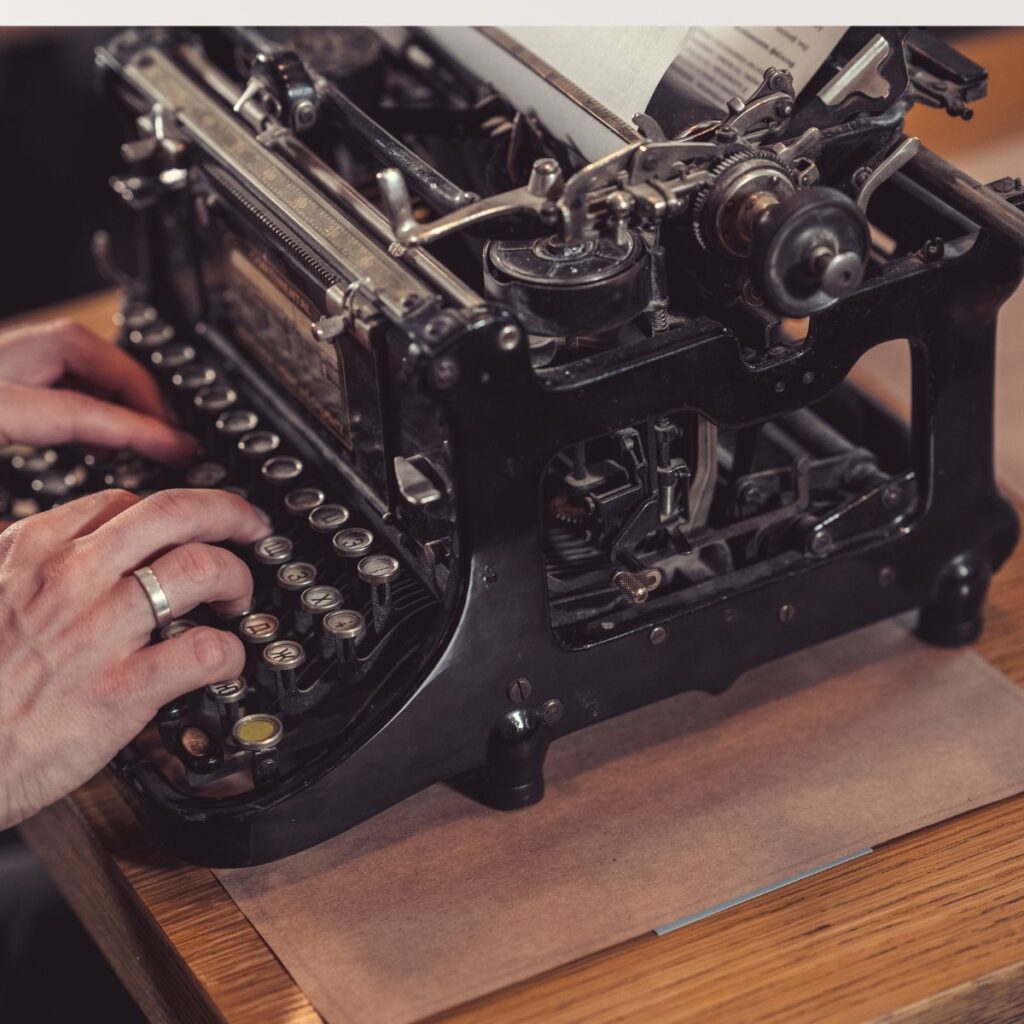
Long before laptops became classroom essentials, students learned typing on manual or electric typewriters. Speed and accuracy were heavily emphasized because typing was considered an important job skill for office careers.
Office Practice
Office practice functioned as a direct introduction to the workplace. Students learned filing systems, telephone etiquette, recordkeeping, business communication, and other administrative skills that helped prepare them for office jobs after graduation.
Related: 15 Things Cluttering Your Home That Need to Be Thrown Away
Shorthand and Stenography
Shorthand once served as a valuable skill for students planning careers in administration, journalism, or office work. Learning a system of symbols that allowed rapid note-taking could open the door to a variety of professional opportunities.
Penmanship
Before computers became part of everyday life, schools placed a huge emphasis on neat handwriting. Students spent hours practicing cursive, perfecting letter formation, and learning how to write clearly enough for business correspondence and formal documents.
Home Economics
Home economics taught students practical life skills like cooking, sewing, budgeting, meal planning, and household management. While some modern schools still offer similar courses under different names, the classic “home ec” class has largely faded from the typical high school schedule.
Related: The Home Economics Skills Many Young Adults Wish They’d Learned Sooner
General Shop
The general shop introduced students to basic woodworking, metalworking, tools, and machinery. It was designed to give students practical experience with building and repairing things, whether or not they planned to pursue a trade career.
Woodshop
Woodshop was one of the most popular hands-on classes of its era. Students learned how to safely use tools while building projects such as shelves, birdhouses, toolboxes, and small pieces of furniture that they could actually take home.
Metal Shop
The metal shop taught students how to cut, shape, weld, and work with various metals. The class provided real-world skills while introducing students to careers in manufacturing, fabrication, and industrial trades.
Auto Shop
Few classes felt more practical than auto shop. Students learned how engines worked, how to perform basic maintenance, and how to diagnose common vehicle problems long before dashboard warning lights and computerized diagnostics became standard.
Mechanical Drawing
Mechanical drawing taught students how to create precise technical drawings by hand. These skills were especially valuable for students interested in engineering, architecture, manufacturing, or industrial design.