There’s something special about watching butterflies flutter through the garden on a warm afternoon. After adding a few simple features to my yard, I noticed more butterflies visiting, along with plenty of bees and other helpful pollinators.
The biggest lesson I learned is that butterflies need more than colorful flowers. They need food, water, shelter, and safe places to lay their eggs if they’re going to stick around. Here are the changes that made the biggest difference in my backyard.
I Planted More Nectar-Rich Flowers
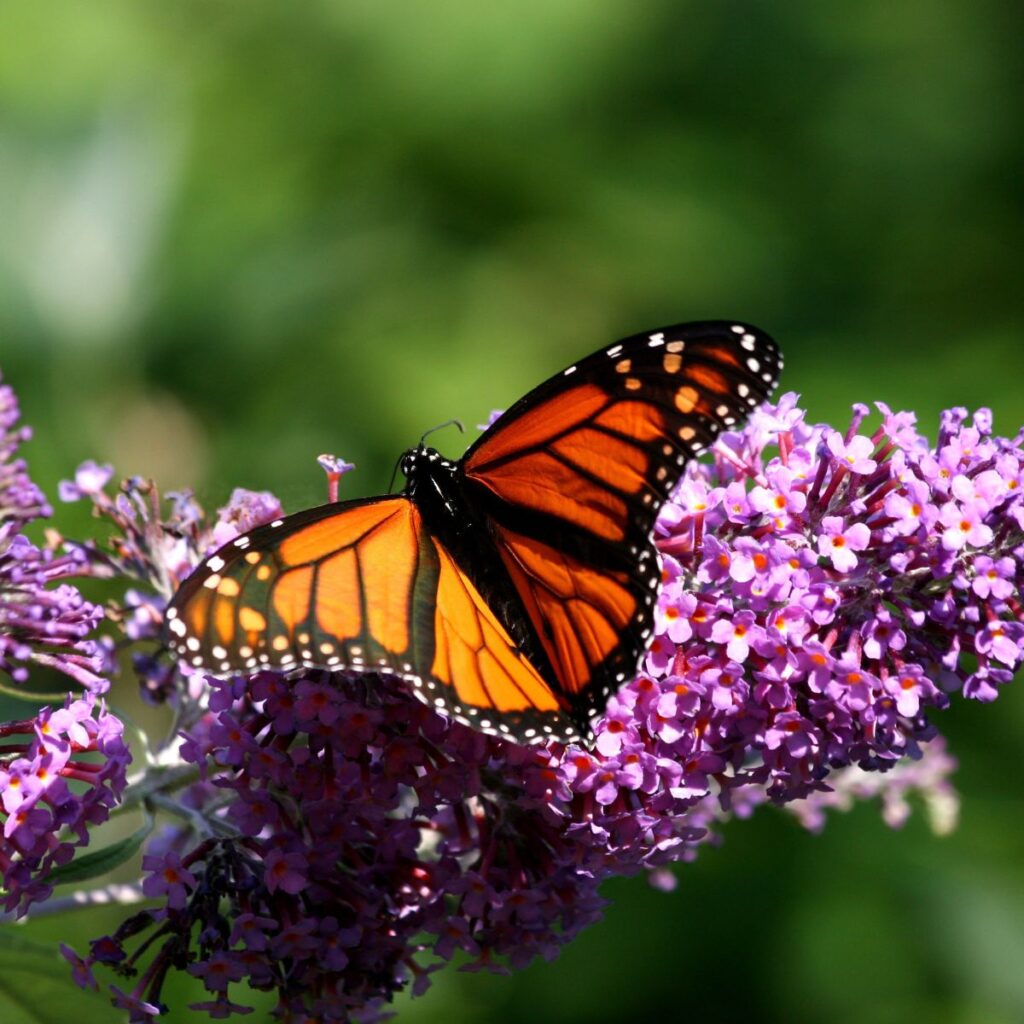
The first thing I changed was planting flowers that butterflies actually love instead of simply choosing blooms that looked pretty to me. Native plants like coneflowers, bee balm, black-eyed Susans, lantana, zinnias, and asters quickly became some of the busiest spots in my garden.
Related: Perennial Flowers That Pop Up Every Blooming Season
I Added More Purple, Yellow, and Orange Blooms
I noticed butterflies seemed especially drawn to bright clusters of colorful flowers. By planting plenty of purple, yellow, orange, and pink blooms throughout the garden instead of in just one bed, I created colorful feeding stations they could easily spot from above.
I Included Host Plants for Caterpillars
I realized butterflies won’t stay long if they don’t have somewhere to lay their eggs. Adding host plants like milkweed for monarchs and parsley, dill, and fennel for swallowtails allowed the entire butterfly life cycle to happen right in my backyard.
I Created a Butterfly Watering Station
Butterflies need water, but they can’t drink from deep birdbaths or fountains. I filled a shallow dish with sand and small pebbles, kept it damp, and soon noticed butterflies stopping by to drink while absorbing minerals from the wet soil.
I Left Sunny Places for Butterflies to Rest
Early each morning, butterflies look for warm places to raise their body temperature before flying. I placed several flat rocks in sunny areas of the garden, and they quickly became favorite basking spots on cooler mornings.
I Stopped Using Chemical Pesticides
One of the biggest improvements came after I stopped spraying broad-spectrum insecticides around the yard. While they may kill harmful insects, they can also harm butterflies, caterpillars, bees, and many of the beneficial insects that help keep a garden healthy.
I Added More Shelter From Wind
Butterflies prefer calm spaces where they can feed without constantly battling strong winds. Planting shrubs, ornamental grasses, and taller perennials around the garden created natural windbreaks that made the area much more inviting.
I Let Parts of the Garden Stay a Little Wild
Instead of trimming every corner of the yard, I allowed a few areas to grow more naturally. Those less-manicured spaces provided extra shelter for butterflies, caterpillars, and other pollinators while making the garden feel more like a natural habitat.
I Chose Native Plants Whenever Possible
Native flowers are often better adapted to local butterflies because they’ve evolved together over thousands of years. They also tend to require less water, fewer fertilizers, and less maintenance once established, making them a win for both the garden and local wildlife.
Related: 12 Houseplants That Are Almost Impossible to Kill, According To A Plant Expert
I Made Sure Something Was Blooming All Season
Rather than having flowers bloom all at once, I planted a mix of early, mid-season, and late-blooming plants. That way, butterflies always had a reliable source of nectar from spring through fall, which kept them returning throughout the growing season.
Other Topics You Might Like
- 13 Gardening Antiques Collectors Love and Often Pay Up For
- I Stopped Buying Fertilizers After Years of Gardening and Started Using This Instead
- Some of the Best Gardening Tips I Ever Got That Break All the Rules
- 9 Vintage Gardening Tools Hiding in Grandma’s Potting Shed— Some Could Be Worth a Small Fortune