Few things make a garden feel more alive than monarch butterflies drifting from flower to flower, their orange-and-black wings easy to spot. Growing nectar-rich flowers and milkweed provides adults with food and caterpillars with a place to feed.
1. Bee Balm
Bee balm produces colorful flowers that draw monarch butterflies, bees, and hummingbirds to the garden. This perennial can spread over time, bringing more blooms to your yard in the years ahead.
Related: 10 Pretty but Problematic Plants That Can Become a Gardener’s Nightmare
2. Sage
Flowering sage offers nectar for butterflies, and its fragrant leaves can be used in cooking. Many varieties do well in sunny spots with well-drained soil, making them a useful choice for gardens that get plenty of light.
Related: 10 plants that hate coffee grounds
3. Black-Eyed Susans
Black-eyed Susans add cheerful yellow petals and dark centers to flower beds, giving butterflies an easy place to land. These hardy perennials bloom through much of the summer and can grow in a range of garden conditions.
Related: 10 Climbing Plants That Practically Grow Themselves
4. Blazing Star
Blazing star, also called liatris, grows tall spikes covered in purple flowers that provide nectar for monarchs and other pollinators. Plant it in a sunny spot where its upright blooms can add height and color to the garden.
Related: 18 Ground Cover Plants That Keep Weeds Under Control
5. Shasta Daisies
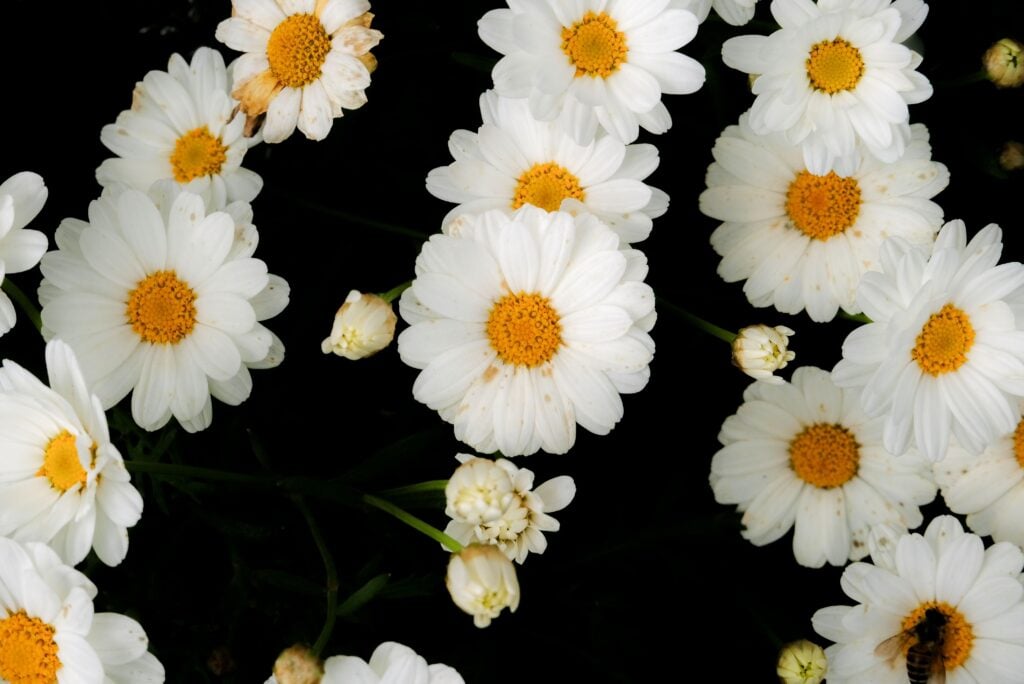
Shasta daisies have white petals and sunny yellow centers that fit easily into many garden styles. Their open flowers offer nectar for visiting pollinators, and the plants are fairly easy to grow in a sunny bed.
6. Butterfly Bush
Butterfly bush produces long clusters of fragrant flowers in shades of purple, pink, white, and blue that attract adult butterflies looking for nectar. Since this shrub is invasive in some regions, check local guidance before planting and choose a suitable non-invasive variety or a native flowering shrub.
7. Geraniums
Geraniums bring color to flower beds, pots, window boxes, and patio containers. They may offer some food for visiting pollinators, but pair them with nectar-rich plants such as bee balm, zinnias, and blazing star to give monarchs better feeding options.
8. Goldenrod
Goldenrod produces clusters of yellow flowers late in the growing season, when many summer blooms have faded. Its nectar can help monarchs and other pollinators find food during the weeks before colder weather arrives.
9. Milkweed
Milkweed is the host plant monarch caterpillars need to survive, since female monarchs lay their eggs on its leaves and the young caterpillars feed on the foliage. Choose a milkweed species native to your area, and avoid using pesticides that could harm butterflies or caterpillars.
10. Zinnias
Zinnias are easy to grow from seed and come in many colors, including red, pink, orange, yellow, and white. Their open flowers can provide nectar through much of the summer, making them a useful addition to a garden for monarchs and other pollinators.
11. Phlox
Phlox produces clusters of small flowers that add color and fullness to garden beds while offering nectar to visiting butterflies. Different varieties bloom at different times, so choosing more than one type can keep flowers available longer.
12. Echinacea
Echinacea, often called coneflower, has large flowers with raised centers that give butterflies a place to land while feeding. These hardy perennials grow well in sunny areas and can return year after year once established.
13. Lavender
Lavender adds fragrant purple flower spikes that attract butterflies and other pollinators looking for nectar. It grows best in full sun and well-drained soil, so avoid planting it in spots where the ground stays wet.
14. Marigolds
Marigolds bring warm shades of yellow, orange, and red to garden beds and containers, and their flowers can attract some pollinators. Choose open-flowered varieties and plant them alongside other nectar-rich flowers to offer monarchs a better range of food sources.