The air inside your home plays a bigger role in your daily comfort than you might think. It can affect everything from allergies and breathing to sleep and how fresh your home feels.
One of the easiest things you can do to maintain cleaner indoor air is stay on top of your HVAC filter changes.
Your air filter works quietly every day, catching dust, pollen, pet hair, and other airborne particles before they circulate through your home. When the filter is clean, your HVAC system can move air more easily. When it becomes clogged, it can affect your indoor air quality and even increase your energy costs.
So how often should you replace your HVAC filter, and what signs show that you’ve waited too long?
What Your HVAC Air Filter Does
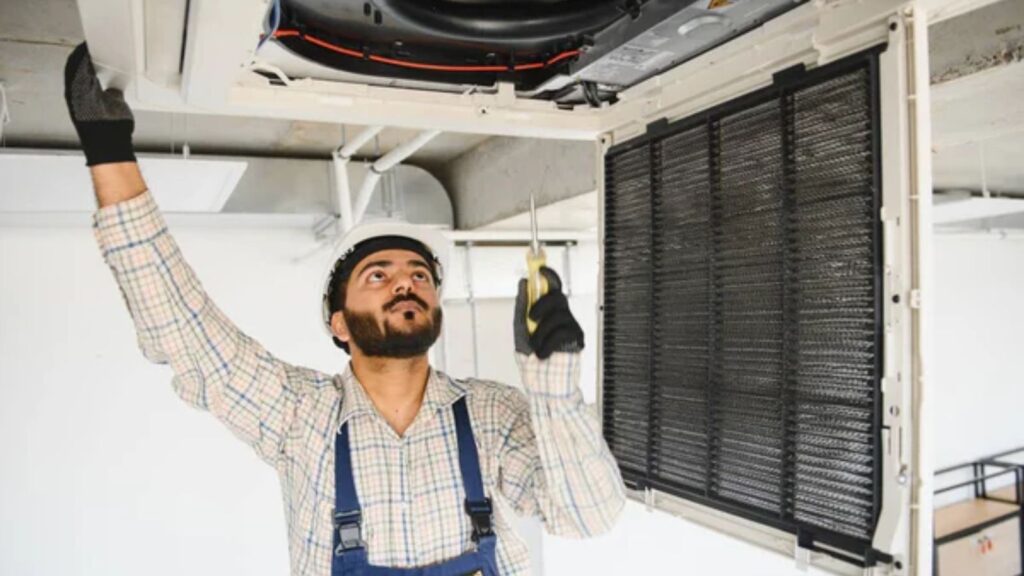
Your HVAC filter helps keep unwanted particles from moving through your home’s air supply. Every time your heating or cooling system runs, air passes through the filter, where dust, pollen, dirt, and other debris get trapped.
A quality filter, such as a pleated HVAC air filter with an MERV 8–11 rating, can help reduce common household particles like dust and pollen. Homes with pets, allergies, or frequent dust buildup may benefit from paying closer attention to filter quality.
The problem starts when the filter becomes packed with debris. Once airflow becomes restricted, your HVAC system has to work harder to move air throughout your home.
How Often Should You Change Your HVAC Filter?
The right replacement schedule depends on your home, the type of filter you use, and your daily living conditions.
For many homes, a standard 1-inch HVAC filter should be replaced every 2 to 3 months. Thicker filters, such as 3- to 5-inch models, can often last between 6 months and a year.
Your household habits can shorten that timeline. Homes with dogs, cats, smokers, construction nearby, or lots of dust may need more frequent replacements. Larger households can also cause filters to collect debris faster.
If someone in your home struggles with allergies, checking the filter once a month is a good habit. Keeping a multi-pack of HVAC replacement filters nearby makes it easier to replace them before they become overly dirty.
Signs Your HVAC Filter Needs Changing
Your HVAC system often gives warning signs before the filter becomes a bigger problem. Here are some things to watch for.
Your Energy Bill Is Higher Than Usual
A dirty filter can make your HVAC system work harder than it should. When air cannot pass through easily, the system may run longer to maintain your preferred temperature.
If your energy use has stayed the same but your bill keeps increasing, a clogged filter could be one possible reason.
Airflow From Your Vents Feels Weak
Have you noticed that your vents don’t seem to push out as much air as they used to?
Restricted airflow is one of the most common signs that your filter needs attention. A clogged filter can prevent your system from circulating air properly throughout your home.
Your Home Gets Dusty Faster
If you find yourself wiping down surfaces more often than usual, your HVAC filter may not be catching particles the way it should.
A home air quality monitor can help you keep track of indoor air changes and notice patterns over time.
Allergy Symptoms Increase Indoors
More sneezing, itchy eyes, or irritation inside your home may be a sign that your filter is overdue for a change.
While filters cannot remove every airborne irritant, a clean one can help reduce the amount of dust and particles circulating through your rooms.
The Filter Looks Dirty
Sometimes the easiest way to know is to check it.
Remove your filter and look at the surface. If it appears gray, dusty, or covered in buildup, it’s probably time for a replacement.
Why Regular Filter Changes Matter
Replacing your HVAC filter is a small household task that can prevent bigger problems later.
A clogged filter puts extra pressure on your system, which can lead to reduced performance, higher energy use, and added wear on HVAC components. Over time, that strain may contribute to costly repairs.
A clean filter helps your system run more smoothly, keeps air moving properly, and supports a cleaner home environment.
Adding filter changes to your regular home maintenance routine only takes a few minutes, but it can make a noticeable difference in how your HVAC system performs.