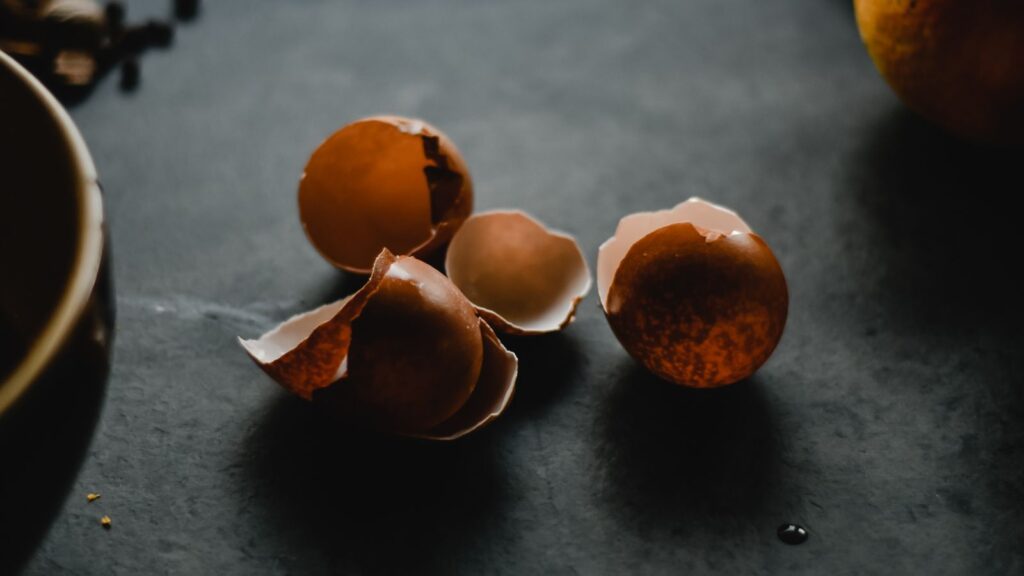
Most of us toss eggshells in the trash without giving them a second thought. Gardeners, though, have been saving them for years. Once cleaned, dried, and crushed, eggshells can be put to work in the garden instead of ending up in the garbage.
Eggshells are made mostly of calcium carbonate, with smaller amounts of magnesium, phosphorus, and other minerals. They break down slowly, so they aren’t a quick fix for a nutrient deficiency. Still, adding finely crushed shells to soil over time can contribute calcium and organic material.
There’s another reason gardeners like them. Coarse pieces sprinkled around plants may make the soil surface less inviting to slugs and snails, although they shouldn’t be treated as a guaranteed pest control method.
Eggshells can be useful for many plants, but they work best as part of good soil care rather than as a replacement for compost, fertilizer, or proper watering. Here are 20 plants that can make good use of them.
Roses (Rosa species)
Roses need a steady supply of nutrients to produce healthy foliage and flowers, and calcium plays a role in plant cell development. Finely crushed eggshells can add a slow source of calcium to the soil around established rose bushes.
Some gardeners also scatter coarser pieces around their roses because the rough texture may make it harder for slugs and snails to move across the surface.
Snake Plants (Dracaena trifasciata)
Snake plants don’t need much fertilizer, so less is definitely more here. If a plant has been sitting in the same potting mix for a long time, a small amount of finely powdered eggshell can add some calcium to the soil.
Eggshells aren’t necessary for healthy snake plants, though. Good drainage, appropriate watering, and enough light matter much more.
Related: 10 Low-Maintenance Indoor Plants That Do Well in Small Apartments
Tomatoes (Solanum lycopersicum)
Tomatoes are probably the plants most often associated with eggshells. Calcium is involved in cell development, and tomato plants need a steady supply throughout the growing season.
Blossom-end rot is often blamed on a lack of calcium, but the problem is usually related to the plant’s ability to move calcium into developing fruit. Uneven watering, damaged roots, and other growing conditions can contribute to it. Adding eggshells won’t quickly fix a plant that is already showing symptoms.
Still, finely crushed shells mixed into the soil before planting can provide calcium gradually over time.
Peppers (Capsicum annuum)
Bell peppers, jalapeños, and other peppers have many of the same calcium needs as tomatoes. A steady supply of calcium helps with normal cell development and healthy plant growth.
Eggshells can be mixed into the soil before planting or added to compost. Since the shells break down slowly, they are better viewed as a long-term soil amendment than an instant fertilizer.
Eggplants (Solanum melongena)
Eggplants are heavy-feeding plants that need fertile soil throughout the growing season. Calcium supports cell walls and healthy plant development, making eggshells a reasonable addition to a well-maintained garden bed.
Finely crushed shells are easier for the soil to break down than large pieces. If your soil already has plenty of calcium, though, adding more may provide little benefit.
Strawberries (Fragaria × ananassa)
Strawberries grow best in fertile, well-drained soil with a slightly acidic pH. Calcium is useful for healthy plant growth, but strawberries don’t need large amounts of eggshell material.
A small amount of finely ground eggshell mixed into the soil can contribute calcium over time. Avoid adding large quantities, since eggshells can gradually raise soil pH.
Broccoli (Brassica oleracea var. italica)
Broccoli uses plenty of nutrients while producing its large heads, so fertile soil makes a big difference. Calcium supports normal cell growth and helps plants develop sturdy stems and leaves.
Finely crushed eggshells can be worked into the soil before planting. Adding compost at the same time gives broccoli a much broader range of nutrients.
Cauliflower (Brassica oleracea var. botrytis)
Cauliflower needs steady nutrition while its central head develops. Calcium plays a role in cell structure, so maintaining balanced soil can help support healthy growth.
Eggshells are best added before planting because they take time to break down. If your soil needs an immediate nutrient boost, compost or a suitable garden fertilizer will do more in the short term.
Cabbage (Brassica oleracea var. capitata)
Cabbage spends a fair amount of time in the garden and needs fertile soil to produce a firm head. Calcium supports the plant’s cell structure while it grows.
Adding finely crushed eggshells to the soil before planting can provide a slow source of calcium. Cabbage also benefits from plenty of compost and consistent moisture.
Kale (Brassica oleracea var. sabellica)
Kale can produce leaves for weeks or months, so keeping the soil in good condition helps keep plants productive. Calcium supports normal leaf and stem development.
Ground eggshells can be mixed into garden soil or compost before planting. A little goes a long way, and there is no need to cover the soil with a thick layer.
Spinach (Spinacia oleracea)
Spinach grows quickly and prefers fertile, well-drained soil. Calcium contributes to healthy plant tissue, while the organic material around the roots helps create a better growing environment.
For spinach, eggshells are most useful when finely ground and mixed into compost or soil before planting. They won’t provide the immediate nutrition that a complete fertilizer can provide.
Swiss Chard (Beta vulgaris subsp. vulgaris)
Swiss chard produces large leaves and thick stems, so it appreciates good soil fertility. Calcium supports the development of healthy plant tissue throughout the growing season.
Finely crushed eggshells can be mixed into garden beds or container soil. Container plants may need more regular feeding because watering can wash nutrients out of the potting mix.
Lettuce (Lactuca sativa)
Lettuce has relatively shallow roots and does best in loose, fertile soil. Finely ground eggshells can add calcium while contributing a small amount of mineral material to the soil.
They work especially well when mixed into compost before planting. Keeping the soil evenly moist is still far more important for healthy lettuce than adding eggshells.
Zucchini (Cucurbita pepo)
Zucchini grows quickly and can produce a surprising amount of fruit from a single plant. Good soil fertility helps it keep up with that growth.
Calcium supports healthy cell development, so finely crushed eggshells can be mixed into the planting area before the season begins. If zucchini develops blossom-end rot, though, don’t assume the plant simply needs more eggshells. Watering problems and root stress can also interfere with calcium reaching the fruit.
Squash (Cucurbita species)
Summer and winter squash both benefit from fertile soil and steady moisture. Calcium supports normal growth as the vines spread and fruit develops.
Because squash roots cover a fairly large area, it’s more useful to mix crushed eggshells throughout the planting bed than to pile them directly against the stem.
Carrots (Daucus carota)
Carrots need loose soil so their roots can grow without hitting hard, compacted areas. Finely ground eggshells can contribute calcium, while incorporating organic matter into the soil does much more to improve its structure.
If your garden soil is heavy or compacted, adding compost is a better place to start.
Related: Cheap Mulch Ideas That Improve Soil, Save Water, and Simplify Garden Care
Beets (Beta vulgaris)
Beets grow best in fertile soil that allows their roots to develop freely. Calcium supports normal plant tissue and root development.
A small amount of finely ground eggshell mixed into the soil before planting can contribute calcium as the shells slowly break down. Soil testing can tell you whether your garden actually needs more calcium before you add large amounts.
Radishes (Raphanus sativus)
Radishes grow quickly, which means they need access to nutrients while their roots are developing. Loose soil is also important because compacted ground can lead to poorly formed roots.
Finely crushed eggshells can be mixed into the bed before planting. For better results, pair them with compost and make sure the soil drains well.
Related: 13 Gardening Tips Everyone Swears By (That Don’t Always Work)
Basil (Ocimum basilicum)
Basil grows best with fertile soil, adequate moisture, and plenty of sunlight. Calcium contributes to normal cell development and can be supplied in small amounts through soil amendments such as finely ground eggshells.
For container-grown basil, don’t add large amounts of eggshell powder. A good potting mix and occasional feeding are usually enough to keep the plant producing fresh leaves.
Parsley (Petroselinum crispum)
Parsley can stay productive for a long time when it has good soil, adequate moisture, and enough sunlight. Calcium supports healthy plant tissue, while organic matter helps maintain good soil conditions.
Finely ground eggshells can be mixed into the soil before planting. For parsley grown in pots, use only a small amount and pay attention to the plant’s overall growing conditions.
A Quick Tip Before Adding Eggshells
If you want to try eggshells in your garden, don’t just toss whole shells onto the soil and expect immediate results. Rinse them, let them dry, and crush them as finely as possible. A coffee grinder or food processor can turn dried shells into a much finer powder, though you should clean the appliance well afterward.
The finer the pieces, the more surface area there is for the shells to break down. Adding them to compost is another easy option.
Most of all, don’t treat eggshells as a cure-all. Healthy soil, compost, proper watering, sunlight, and the right plant for your growing conditions will have a much bigger effect on your garden. Eggshells are simply one more kitchen scrap you can put to use instead of throwing away.