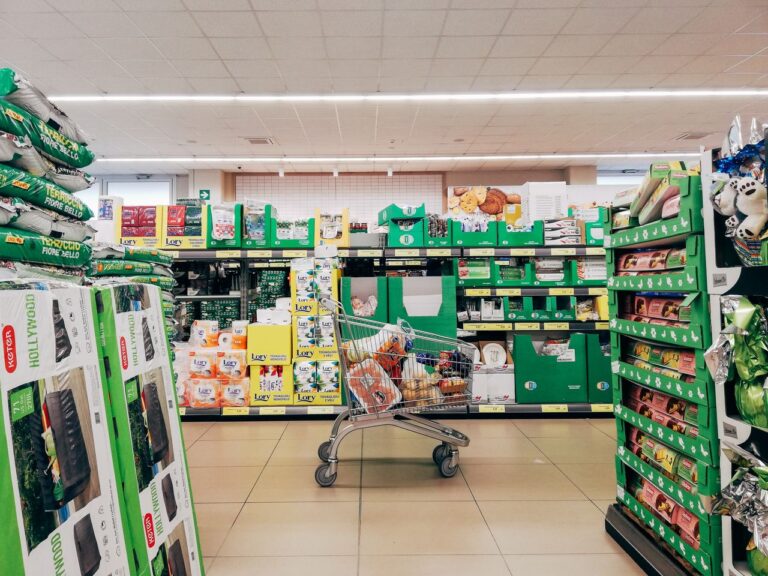
Grocery shopping sounds easy enough until you get to the checkout and realize you spent more than expected. Maybe you grabbed a few things that weren’t on your list, forgot an ingredient, or bought food that ends up sitting in the fridge untouched.
A few simple habits can make grocery trips easier and help keep spending in check. These aren’t complicated budgeting systems or extreme coupon strategies. They’re small things regular shoppers do to save money, avoid waste, and get in and out of the store with what they actually need.

Always Bring a List
Walking into a grocery store without a list makes it much easier to buy things you don’t need. Before you leave, write down what you actually need and check your fridge, freezer, and pantry first.
It can also help to organize the list by section of the store. That way, you’re less likely to wander through every aisle and come home with a cart full of extras.
Related: Grocery Shopping Hacks That People Say Actually Work
Plan Your Meals First
A little planning before grocery day can prevent a lot of random purchases. Decide what you’re likely to cook during the week and make your shopping list from those meals.
Take a look at what you already have, too. That half-used package of pasta or vegetables sitting in the fridge might be the starting point for dinner.
Related: 10 Pioneer Meals That Got People Through Hard Times—And Still Taste Amazing
Don’t Shop Hungry
There’s a reason people have been giving this advice for years. Shopping while hungry makes pretty much everything look tempting.
You may head in for eggs and bread and walk out with chips, cookies, frozen pizza, and a few other things you hadn’t planned to buy. Eating a small snack before shopping can make it easier to stick to your list.
Check the Price Per Unit
Don’t assume the biggest package is the best deal. Check the unit price on the shelf tag to see what you’re really paying per ounce, pound, or other measurement.
Sometimes the larger package saves money. Sometimes it doesn’t. The unit price lets you compare the options without having to do the math yourself.
Buy in Bulk — Strategically
Bulk buying can save money, but only if you’re buying things you actually use.
Rice, pasta, beans, paper products, and frozen foods can make sense in larger quantities. Meat can also be divided into smaller portions at home and frozen for later.
Be more careful with fresh foods. A giant package of something that spoils before you can finish it isn’t much of a bargain.
Skip the Pre-Cut Convenience
Pre-cut fruit, chopped vegetables, individually packaged snacks, and other ready-to-use foods can save time. That convenience usually comes with a higher price, though.
If you have the time to wash, chop, slice, or portion food yourself, buying the regular version can cost less. It may take a few extra minutes at home, but those savings can add up.
Related: 14 Things Shoppers Dread The Most About Grocery Shopping
Prioritize Essentials First
Start with the things you actually need for meals and everyday cooking. Get your produce, meat, dairy, grains, and other basics before spending too much time in the snack aisles.
Once the essentials are in your cart, you’ll have a better idea of how much room is left in your budget for treats.
Shop Early in the Day
Shopping early can have a few advantages. Stores tend to be quieter, shelves may be better stocked, and you can take your time looking at prices without fighting through a crowd.
For fresh produce, an earlier trip can also give you more choices before the busiest shopping hours.
Grab a Basket for Small Trips
If you’re only picking up a few things, grab a basket instead of a cart. There’s only so much you can carry, which makes it harder to keep tossing extra items into your shopping trip.
It’s a simple trick, but it works especially well for quick trips.
Shop Alone When You Can
Shopping with other people can turn a short grocery trip into a much bigger one. Kids may ask for snacks, and adults aren’t immune to grabbing things that weren’t on the list either.
If you’re trying to stick to a budget, shopping alone can make it easier to focus on what you came for.
Choose Store Brands
Name brands aren’t always better. Many store-brand products are perfectly good substitutes for more expensive brands, and the savings can be noticeable.
Compare the ingredients and nutrition information if you’re unsure. For many everyday items, the cheaper option is worth trying.
Related: The Grocery Shopping Habit People Are Using to Make Food Stretch Further
Check the Clearance Section
Look for marked-down sections, especially for food that is approaching its sell-by date. If you’re planning to eat it soon or can freeze it safely, you may find some good deals.
Just don’t let a discount convince you to buy something you wouldn’t have purchased at full price. A cheap item you never use is still money spent.
Opt for Seasonal Produce
Produce that’s in season is often easier to find and costs less. It can also taste better since it’s being harvested during its natural growing season.
Try building some meals around whatever fruits and vegetables are currently affordable instead of deciding on every meal first and then buying whatever ingredients you need at any price.
Related: The Cheapest Ways to Save Money While Eating Out
Ask for a Raincheck
If an advertised sale item is sold out, ask whether the store offers rainchecks. Some stores will give you a raincheck so you can buy the item later at the sale price.
Policies vary, so check with customer service before assuming the offer applies.
Bring Cash Instead of Cards
If you tend to go over budget, try setting a grocery limit and bringing that amount in cash. Once the cash is gone, that’s your signal to stop adding things to the cart.
This won’t work for everyone, but it can be useful if you have a hard time resisting impulse purchases when you’re paying with a card.
Bring Your Own Bags
Reusable grocery bags can hold more than thin disposable bags, and they’re less likely to tear on the way home. In places where stores charge for bags, they can also save you a little money over time.
Keeping a few in your car or near the door makes it less likely you’ll forget them.
Try Curbside Pickup
Curbside pickup can be helpful if you tend to make impulse purchases in the store. You shop from a list on your phone or computer, choose your items, and pick everything up without walking through rows of tempting displays.
It also makes it easier to see your running total before you place the order.
Price Match When Possible
Some grocery stores will match certain competitors’ advertised prices. If your store offers price matching, check its rules before shopping.
A quick look at weekly ads or store apps can help you spot lower prices without having to visit several stores.
Check Weekly Deals and Coupons
Before heading to the store, take a few minutes to check the weekly ad and available digital coupons. You may find discounts on items you already planned to buy.
It can also help you decide which meals to make that week. If chicken, pasta, or vegetables are on sale, build a couple of dinners around those deals instead of starting with a completely fixed menu.