Old potting sheds can hold some pretty interesting things. A rusty tool hanging on the wall or a dusty box tucked under a workbench may look like junk at first glance. But some of those old gardening tools were made so well that collectors still look for them today.
Older garden tools were often made with heavy steel, hardwood handles, and simple designs meant to last for years. Some were made by hand, while others came from well-known manufacturers that have long since disappeared.
That doesn’t mean every rusty shovel or old rake is worth money. Condition, age, maker, rarity, and original parts all matter. Still, before you haul a box of old garden tools off to the donation center, take a closer look. You might have something worth keeping.
1. Early Hand-Forged Garden Tools
Garden tools made in the late 1800s and early 1900s were often forged by hand. You may see hammer marks in the metal, thick steel, and wooden handles attached with rivets or other old-style fasteners.
Small tools such as border forks, fern trowels, dibbers, and narrow cultivators can be interesting to collectors, especially if they’re still intact.
A little surface rust doesn’t automatically make an old tool worthless. A solid head, original handle, and signs of its age can be more important than a little rust on the surface.
Related: 15 High-Performing Vegetables for Raised Bed Gardening
2. Wooden-Handled Rakes and Hoes
Old rakes and hoes can feel surprisingly heavy compared with many of the lightweight tools sold today.
Collectors tend to look for older examples with hardwood handles, original metal heads, and unusual designs. Some have short tines or smaller heads that were made for working around flowers and other plants.
Be careful with anything that looks too new. Reproductions are widely available, and an old-looking finish doesn’t always mean the tool is actually old.
3. Antique Watering Cans
An old watering can may be more than something Grandma used to water her flowers.
Galvanized steel and copper examples can attract collectors, particularly pieces with unusual shapes, old maker’s marks, thick metal, or hand-soldered details. Some European and American makers are also more collectible than others.
Dents don’t necessarily ruin the value. A watering can with its original finish and recognizable construction may still be worth checking out before you clean it up or repaint it.
Related: 10 Valuable Vintage Stamps Worth Checking Your Collection For
4. Cast and Wrought Iron Garden Pieces
Some of the most interesting items in an old garden shed aren’t handheld tools at all.
Cast and wrought iron benches, urns, planters, and other garden pieces can have collector value. Wrought iron was worked by hand, while cast iron was poured into molds, so the two have different characteristics.
Look for heavy construction, detailed designs, old finishes, and unusual shapes. A matching pair or set can be more appealing than a single piece.
5. Antique Dibbers and Seed Tools
A dibber is a simple tool used to make holes for planting seeds or seedlings. Older examples were made from wood or metal and could be surprisingly detailed.
Carved handles, measurement marks, unusual designs, and maker’s names can make these little tools more interesting to collectors.
Because they were simple to make, some were made by hand rather than mass-produced. That can make an ordinary-looking planting tool worth a closer look.
Related: 9 Antique Items You Should Never Toss Without Checking Their Value
6. Vintage Garden Sprayers
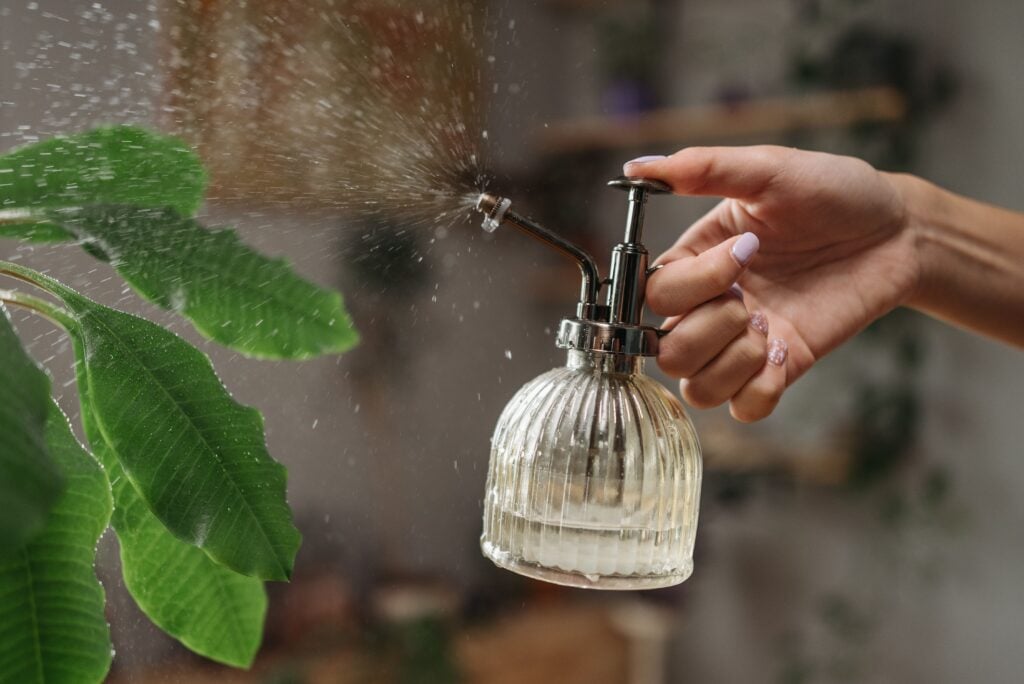
Old hand-pump garden sprayers made from brass or copper can be worth checking before they’re tossed.
Look for maker’s marks, decorative details, original parts, and a body that hasn’t been badly damaged. An intact sprayer will usually be more interesting to collectors than one that’s missing major pieces.
Keep in mind that an old sprayer may have been used with chemicals, so don’t assume it’s safe to put back into gardening use just because it looks clean.
7. Cast Iron Urns and Planters
A heavy cast iron urn sitting in the corner of an old shed can be easy to overlook.
Look for detailed patterns, unusual shapes, matching pairs, and an older natural finish. Original wear can be more appealing to collectors than a piece that’s been heavily repainted.
These pieces are also expensive and difficult to ship, which means sellers sometimes underestimate their value simply because they’re inconvenient to move.
8. Old Toolboxes Filled With Original Tools
Sometimes the real find is the whole box.
An old wooden toolbox filled with gardening tools from the same period can be more interesting than a single tool pulled out of it. A group of pieces that clearly belonged together gives collectors a better sense of how the tools were used.
Before separating everything or throwing out the box, take a photo of the entire collection. Check the tools for names, dates, numbers, and other markings.
Related: 13 Gardening Antiques Collectors Love and Often Pay Up For
9. Maker’s Marks Matter
If you’re trying to figure out whether an old garden tool has value, turn it over and inspect it closely.
Look for stamped company names, patent dates, logos, numbers, initials, or blacksmith marks. A maker’s name can give you a starting point for finding out when and where the tool was made.
Don’t assume a tool is valuable just because it has a mark, though. Research the maker and compare similar pieces that have actually sold. Condition, rarity, age, and demand all play a role in what an old gardening tool is worth.