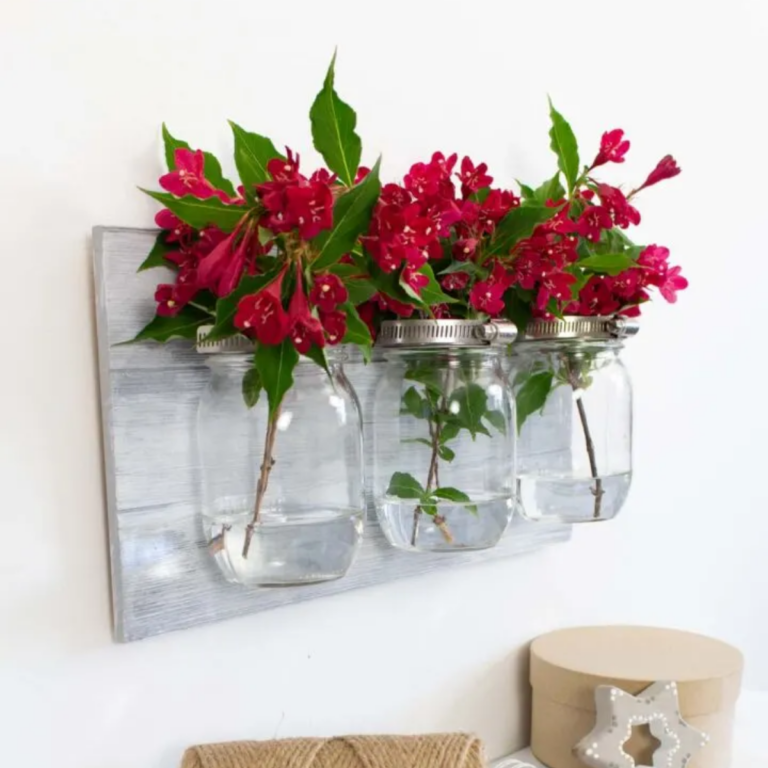
Making things by hand can be more than a creative outlet. If you already enjoy sewing, woodworking, painting, candle making, or another craft, selling some of what you make could be a practical way to bring in extra money.
The nice thing about handmade products is that you don’t necessarily have to compete with mass-produced items. Personalization, small batches, unusual designs, and quality craftsmanship can give shoppers a reason to choose something made by an individual maker.
If you’ve been thinking about turning a hobby into a side hustle, these 15 handmade crafts offer plenty of possibilities.

Handmade Jewelry
Jewelry gives you plenty of room to develop a recognizable style, whether you work with beads, wire, gemstones, clay, or metal. Personalized necklaces, birthstone pieces, earrings, bracelets, and engraved jewelry can also make appealing gifts for birthdays, weddings, and other occasions.
Candle Making
Candles can be relatively simple to start making, but there are countless ways to make your products stand out. Experiment with scent combinations, containers, wax types, seasonal collections, or gift sets to create something that feels different from candles shoppers can pick up anywhere.
Crochet and Knitting
If you’re comfortable with yarn and a hook or pair of needles, you can make dozens of products beyond basic scarves and blankets. Sweaters, hats, baby items, bags, stuffed animals, and home accessories are all possibilities, and experienced makers can also sell their original patterns as digital downloads.
Related: 15 Crochet Projects That Are Relaxing, Creative, and Actually Useful
Woodworking and Carving
Woodworking can range from relatively small projects to custom furniture, so you can choose products that fit your tools and experience level. Cutting boards, shelves, signs, serving trays, utensils, small furniture, and personalized wooden gifts can all become products for an online shop or local market.
Quilting and Sewing
Knowing how to sew opens the door to everything from practical household products to clothing and keepsakes. You might make quilts, tote bags, pillow covers, aprons, children’s clothing, or even memory quilts created from meaningful clothing supplied by a customer.
Upcycling can create another interesting niche. Old jeans, flannel shirts, tablecloths, and other textiles can sometimes be transformed into completely different products rather than being discarded.
Related: Sewing Is Making a Comeback and More People Are Learning It Again
Weaving, Rug Hooking and Macramé
Fiber crafts work especially well for handmade home décor because every piece can have its own texture and character. Woven wall hangings, hooked rugs, plant hangers, table runners, and small decorative pieces can be made in different sizes and styles to reach a wider range of customers.
These crafts can also lend themselves to DIY kits. Instead of selling only finished products, experienced makers can package materials and instructions for people who want to try the craft themselves.
Embroidery and Cross-Stitch
Embroidery and cross-stitch can turn an inexpensive piece of fabric into something highly personalized. You can add names, monograms, flowers, pet portraits, funny sayings, wedding details, and custom designs to hoops, clothing, linens, bags, and other items.
Patterns can also be a source of income. Once you’ve created an original design, you may be able to sell the pattern digitally rather than stitching every finished piece yourself.
Leather Goods
Leather crafting works particularly well for small products people use every day. Wallets, keychains, card holders, belts, notebook covers, and bags can all be customized with different finishes, stitching, initials, or monograms.
Because leather goods can last for years, craftsmanship matters. Clean finishing and thoughtful personalization can help handmade pieces feel more like special purchases than inexpensive accessories.
Handmade Soap, Salves and Bath Products
Instead of limiting yourself to one product, you can build a small collection of handmade bath and body items. Soap, bath bombs, lotions, balms, and salves can be packaged individually or combined into gift sets.
Ingredients can also make your products distinctive. Makers with access to ingredients such as beeswax, honey, herbs, or goat milk can build collections around what they already produce or source locally.
Related: 10 Things You Should Never Do With Dish Soap
Basket Weaving
Handmade baskets combine decoration with something people can actually use around the house. Depending on your materials and weaving style, you could create storage baskets, bread baskets, wall baskets, planters, market baskets, or small containers for gift sets.
Basket making can also work well for a farmhouse, rustic, or natural home décor niche. Different shapes, handles, materials, and finishes give you plenty of opportunities to develop your own look.
Watercolor and Digital Art
You don’t necessarily have to sell a one-of-a-kind original every time you make a piece of art. You can turn watercolor paintings and other artwork into prints, greeting cards, wall décor, bookmarks, stickers, or digital downloads.
Digital art makes it even easier to sell the same design multiple times. Printable wall art, planners, invitations, labels, and other downloadable products eliminate the need to make and ship a physical item for every order.
Calligraphy and Personalized Stationery
Calligraphy pairs naturally with stationery because customers often want personalized paper goods for weddings, parties, gifts, and special occasions. Invitations, place cards, thank-you notes, envelopes, signs, and custom greeting cards are just a few possibilities.
You can also turn your lettering into reusable designs. Printable invitations, templates, practice sheets, and other digital products can complement custom work that you create by hand.
Stained Glass
Stained glass is a more specialized craft, but that can also make finished pieces feel particularly distinctive. Sun catchers, window panels, ornaments, plant stakes, and small decorative pieces give makers options at several different price points.
Custom work can take the craft even further. Customers may want to choose particular colors, patterns, initials, flowers, or other details for a piece made specifically for their home or as a gift.
Pottery and Ceramics
Handmade ceramics have something mass-produced dishes often lack: no two pieces have to look exactly alike. Mugs, bowls, planters, spoon rests, vases, plates, and serving pieces can all showcase your own shapes, glazes, and decorative techniques.
You can also create small collections rather than producing everything individually. Seasonal colors, coordinated mug sets, or limited batches can give customers a reason to come back and see what you’ve made next.
Jams, Preserves and Homemade Pantry Goods
If your skills are more at home in the kitchen, homemade food products may provide another direction to explore. You can make jams, jellies, fruit preserves, and similar pantry goods in traditional flavors or combinations shoppers are less likely to find at the grocery store.
Food products come with additional considerations, however, so check the cottage food and labeling requirements that apply where you live before selling anything you’ve made at home. Once you know what’s permitted, farmers markets, seasonal gift boxes, local events, and direct sales may provide opportunities to test your products.