I love gardening, and few things make me happier than walking through a nursery and spotting a plant I’ve never grown before. It’s easy to picture where a new plant might look great, but years of gardening have taught me that a popular plant isn’t always a good fit for my yard.
Some plants need far more care than I’m willing to give them. Others spread too quickly, attract pests, or create problems that I’d rather avoid. Plenty of gardeners love these plants and grow them successfully, but I’d personally leave them at the nursery.
Here are some popular plants that probably won’t be coming home with me anytime soon.
Bedding Annuals
Every spring, garden centers are packed with flats of petunias, impatiens, begonias, and other colorful annuals. They can make a garden look great in a hurry, but I have a hard time spending money on plants that will need to be replaced the following year again.
I’d rather fill my beds with long-lived perennials that come back season after season. They may take a little time to fill in, but once established, they give me years of flowers and foliage without having to start over every spring.
Bamboo (Bambusa and Phyllostachys spp.)
Bamboo can make a yard feel private almost overnight, and I understand why it’s so tempting for anyone looking for a fast-growing screen. My problem is with the running types, which can spread through underground rhizomes and show up well beyond the spot where they were planted.
Once that happens, getting rid of it can become a major chore. I’d rather choose a plant that stays where I put it, especially in a smaller yard where there isn’t much room for bamboo to roam.
English Ivy (Hedera helix)
English ivy has a classic look, especially when it climbs a wall, fence, or large tree. The trouble is that it can spread aggressively and become hard to control once established.
It can also climb trees and cover large areas, which is more work than I want from a ground cover or vine. In places where English ivy is considered invasive, I’d skip it completely and choose a less troublesome plant instead.
Morning Glory (Ipomoea purpurea)
Morning glory has beautiful flowers and fast-growing vines, so I understand the appeal. The problem is how easily it can reseed itself, which can turn a small planting into a much bigger one the following year.
I’ve seen enough gardens where a few vines became a constant cleanup job to know this isn’t something I want to deal with. I’d rather plant a flowering vine that gives me the look I want without spreading all over the place.
Related: 14 Wildly Unusual Perennials You Don’t See in Many Gardens
Hybrid Tea Roses (Rosa hybrids)
Hybrid tea roses produce some of the most beautiful flowers in a garden, especially if you love cutting roses for bouquets. Still, they can require regular pruning, deadheading, feeding, and attention to common rose diseases and pests.
That level of maintenance just isn’t my favorite way to spend gardening time. I also like plants that offer something to bees and other pollinators, so I’d rather grow tougher shrub roses or rugosa roses that can provide flowers without needing quite so much care.
Hostas (Hosta spp.)
Hostas are a favorite for shady gardens, and their large leaves can fill out an otherwise dull corner beautifully. Unfortunately, slugs and snails seem to appreciate hostas just as much as gardeners do.
After a stretch of wet weather, those big leaves can end up covered in holes and damage before you know it. I’d rather grow ferns and other shade-loving perennials that give me plenty of foliage without making pest control part of my weekly routine.
Related: 10 Plants That Actually Grow Better in Shade
Tulips (Tulipa spp.)
Tulips are one of those flowers that can make a spring garden look amazing. The catch is that many of the showiest modern varieties don’t always return with the same display year after year, which means gardeners may need to replace bulbs from time to time.
I’ve also dealt with squirrels, voles, disease, and a bloom period that can feel pretty short for all the work involved. I’d rather plant daffodils, alliums, or species tulips, which tend to come back better and give me a dependable spring display.
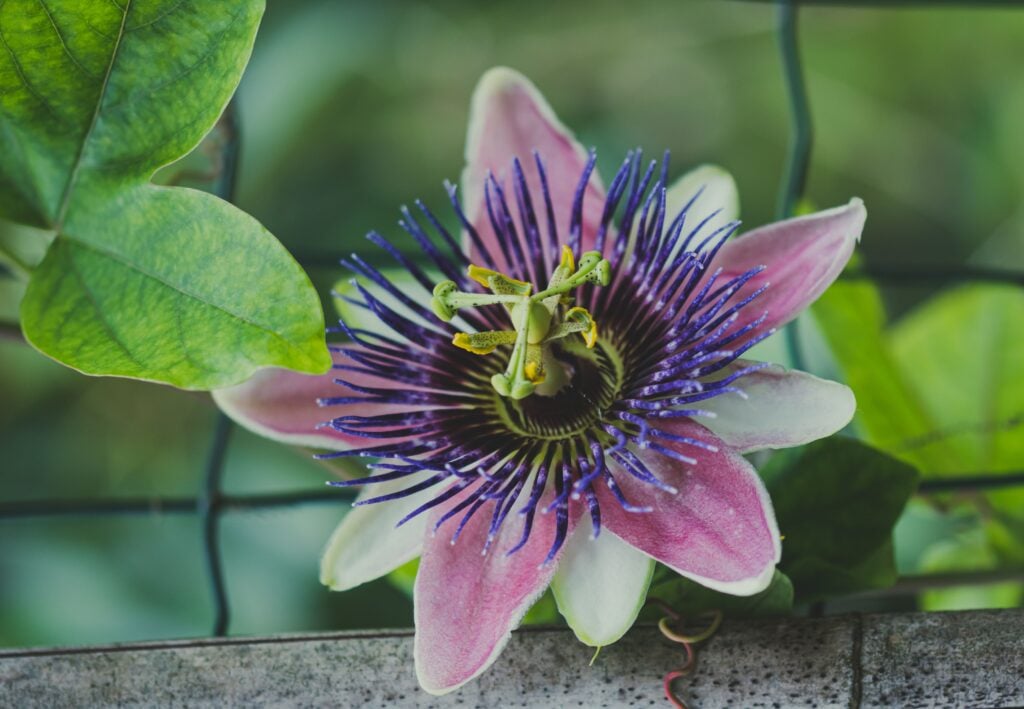
Passionflower (Passiflora spp.)
Passionflowers are hard to ignore. Their unusual flowers look like something from a tropical garden, and their fast-growing vines can cover a trellis or fence quickly.
That fast growth can also be the problem. In warm climates, some passionflower varieties can spread aggressively and quickly take over nearby spaces. I’d rather grow a flowering vine that stays easier to manage and doesn’t require me to constantly cut it back.
Related: What Made Me Stop Buying Plants From Home Depot After Years of Gardening
White Willow (Salix alba)
There’s something beautiful about a mature willow tree, especially near water or in a large open yard. I’d still think carefully before planting a white willow at home because the tree can become quite large and its root system can spread in search of moisture.
Willows can also create problems when they’re planted too close to plumbing, drainage areas, or structures. For a typical residential yard, I’d rather choose a tree that stays more manageable and doesn’t require quite as much thought about where its roots will end up.
Other Topics You Might Like
- 13 Gardening Antiques Collectors Love and Often Pay Up For
- I Stopped Buying Fertilizers After Years of Gardening and Started Using This Instead
- Some of the Best Gardening Tips I Ever Got That Break All the Rules
- 9 Vintage Gardening Tools Hiding in Grandma’s Potting Shed— Some Could Be Worth a Small Fortune