For a long time, buying fertilizer was just something I did every gardening season. When spring rolled around, I’d head to the store, grab a few bags or bottles, and assume my plants needed them if I wanted a good harvest.
After spending more time in the garden, I started noticing something. Some of the plants that looked the healthiest weren’t getting much from a bag of fertilizer at all. They were growing in soil built up with compost, leaves, grass clippings, and other organic materials.
That changed the way I thought about feeding my plants. Instead of reaching for commercial fertilizer every time something looked like it needed a boost, I started paying more attention to the soil itself. Many of the things I was already throwing away could be put to use in the garden.
I still use fertilizer when a plant or soil test calls for it, but I don’t rely on it nearly as much as I used to. These are some of the inexpensive things I use to add nutrients and organic matter to my garden.
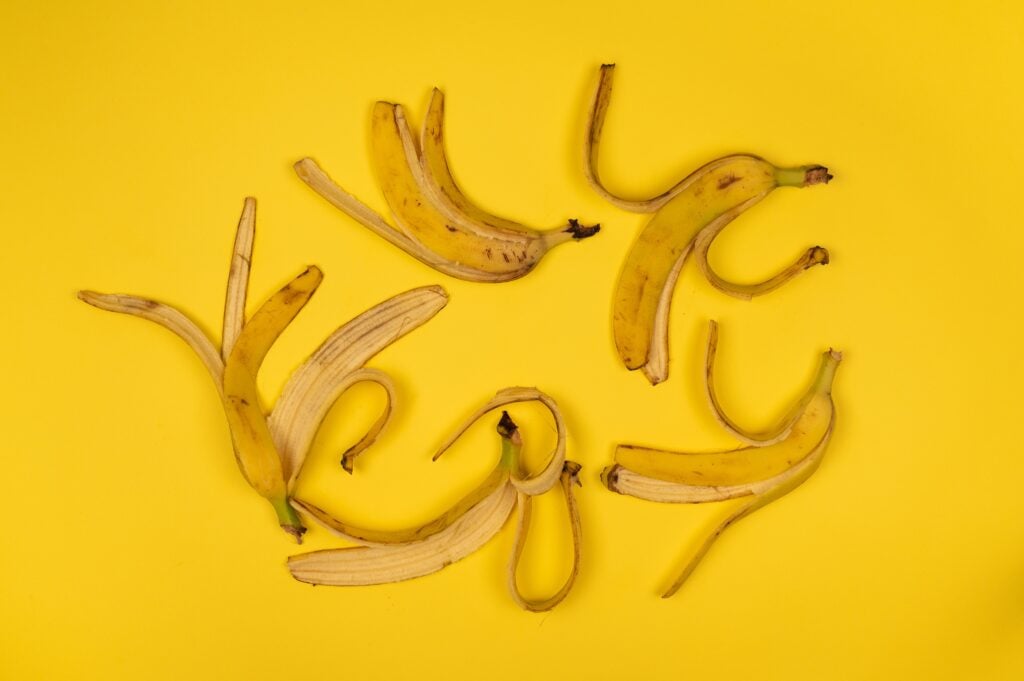
Banana Peels
Banana peels are among the kitchen scraps I like to save for the garden. They contain potassium along with smaller amounts of phosphorus, calcium, and magnesium, all of which are nutrients plants need.
Potassium is often associated with flowering and fruit production, which is why banana peels are commonly used around plants such as tomatoes, peppers, and roses. They aren’t a complete fertilizer, but they can still be a useful addition to the garden.
How to use: Chop the peels into small pieces and bury them in the soil near your plants. You can also soak chopped peels in water for a few days and use the strained liquid around the base of plants.
Coffee Grounds
Used coffee grounds are another kitchen leftover that can find a second life in the garden. They contain nitrogen and smaller amounts of several other nutrients, making them a useful addition to compost and garden soil.
I prefer adding coffee grounds to compost rather than piling thick layers directly around plants. Too much can create a dense layer that doesn’t break down well, while smaller amounts mixed into compost are much easier for the garden to handle.
How to use: Add used grounds to your compost pile, or sprinkle a thin layer around plants and lightly work it into the soil. You can also soak the grounds in water overnight and use the strained liquid around plants.
Eggshells
Eggshells are mostly made of calcium carbonate, which makes them a handy source of calcium for the garden. Calcium is involved in plant cell structure and is an important nutrient for healthy plant growth.
The catch is that eggshells break down slowly, especially when left in large pieces. I like crushing them as finely as I can so they have more contact with the soil.
How to use: Rinse the shells, let them dry, and crush them before mixing them into garden soil or compost. You can also soak crushed shells in water and use the liquid around plants.
Cooking Water
Before dumping a pot of water down the sink, I sometimes save it for the garden. Water used to cook vegetables, potatoes, or pasta can contain small amounts of nutrients and minerals that leach out during cooking.
This isn’t going to replace a proper fertilizer, but there’s no reason to waste that water if it’s clean and unsalted. The key is to let it cool completely and make sure it doesn’t contain salt, butter, oil, or sauces.
How to use: Let the cooking water cool to room temperature, then pour it onto the soil around your plants. Plain vegetable cooking water is a good choice for this.
Green Tea
Used green tea leaves can also end up in the garden or compost pile instead of the trash. Tea leaves contain organic matter and small amounts of nutrients, including nitrogen.
I wouldn’t use strong tea as a regular fertilizer, but a weak, cooled tea can be used occasionally. The greater benefit may simply be putting the used leaves to work rather than throwing them away.
How to use: Brew a weak cup of green tea without sugar or other additives, let it cool, and dilute it with water before using it on plants. You can also add the used tea leaves directly to compost.
Epsom Salt
Epsom salt contains magnesium and sulfur, two nutrients plants need. Magnesium is essential for chlorophyll production, while sulfur is involved in several plant processes.
I don’t use Epsom salt just because a plant looks unhappy. If soil already has enough magnesium, adding more won’t necessarily help. A soil test can tell you whether there’s actually a need for it.
How to use: If your soil needs more magnesium, dissolve a small amount of Epsom salt in water and apply it based on your plant’s needs and soil test results. Avoid using it as a routine fertilizer without a reason.
Compost Tea
Compost is one of the things I rely on most in my garden. Turning compost into a liquid lets you use some of its nutrients in a form that’s easy to apply around plants.
There are different ways to make compost tea, and results can vary depending on the compost and method used. I keep mine simple and use mature, finished compost rather than anything that hasn’t fully broken down.
How to use: Place finished compost in water and let it steep for a day or two. Strain out the solids and use the liquid to water your plants, then return the leftover compost to the garden or compost pile.
Grass Clippings
Grass clippings are easy to overlook, but they’re useful garden material. Fresh clippings contain nitrogen and can add organic matter as they break down.
They also make a simple mulch around plants, helping the soil hold moisture during hot weather. I only use clippings from lawns that haven’t been treated with herbicides or other products that could harm the garden.
How to use: Spread a thin layer of fresh, untreated grass clippings around plants. Don’t pile them against the stems, and add another thin layer as the first layer starts to break down.
Comfrey Tea
Comfrey is a plant many gardeners grow specifically for its usefulness in the garden. Its leaves contain potassium, nitrogen, and phosphorus, making them useful for making homemade plant feed.
The finished liquid has a strong smell, so this is one of those garden projects that’s better done outside. It also needs to be diluted before it goes anywhere near your plants.
How to use: Chop comfrey leaves and place them in a container with water. Let the mixture sit for several weeks, then strain the liquid and dilute it with plenty of water before applying it to the soil.
Wood Ash
Wood ash can be useful in certain gardens because it contains calcium and potassium and can raise soil pH. That makes it more suitable for acidic soil than for a garden that already has a high pH.
I only save ash from clean, untreated firewood. Ash from painted, stained, or chemically treated wood shouldn’t go into the garden.
How to use: Add small amounts of clean wood ash to garden soil and mix it in. Check your soil pH first, since too much ash can make the soil too alkaline.
Manure
Well-aged manure has been used in gardens for generations, and there’s a good reason gardeners keep coming back to it. Manure from animals such as cows, horses, and rabbits can add organic matter and nutrients to the soil.
Fresh manure is a different story. It can be too strong for plants and may contain pathogens, so I only use manure that has been properly aged or composted.
How to use: Work fully composted manure into garden beds before planting or spread a thin layer around established plants. Organic matter also improves soil condition over time.