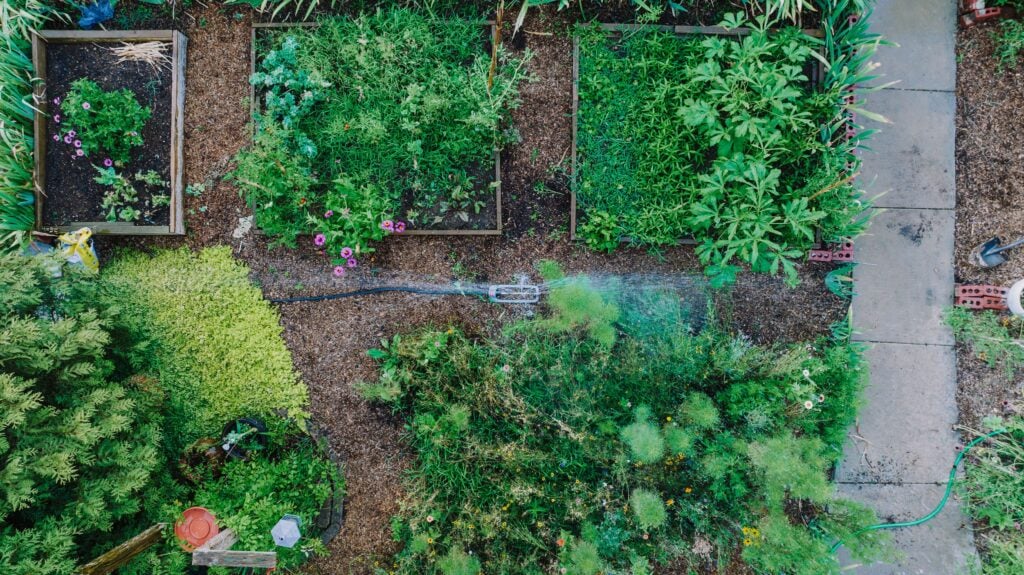
Raised garden beds can make growing vegetables much easier, especially if your yard soil is rocky, hard, or low in nutrients. You can start with loose, fertile soil where plant roots have room to grow, and it’s much easier to control what goes into the bed from the start. I use raised garden beds from Vego Garden, and I like how easy they are to set up when I want a deep bed with good drainage.
Another thing I like about raised beds is how quickly the soil warms up in spring. They also tend to drain better after a heavy rain, which can help prevent soggy roots and some of the problems that come with poorly draining ground. Since raised beds give you more control over the growing area, they can be a great choice when you want to grow a lot of vegetables in a smaller space.
If you’re planning a raised bed garden, these vegetables are some of the crops worth trying. Some grow quickly, some keep producing for months, and others take advantage of the loose soil below them.
Peppers
Peppers love warmth, so they tend to do well in raised beds that heat up earlier in the season. Sweet peppers and hot peppers both appreciate loose soil, plenty of sun, and steady moisture without sitting in water.
Good drainage helps because pepper roots don’t do well in constantly wet soil. Give the plants plenty of room, keep them watered during dry spells, and they can keep producing peppers throughout the summer.
Related: 8 Vegetables That Keep Producing the More You Harvest
Cucumbers
Cucumbers grow quickly and can produce a surprising amount of fruit from just a few plants. Raised beds give them loose soil and good drainage, creating a great growing spot as the vines take off.
A trellis is a great way to keep cucumber vines from sprawling across the bed. Growing them upward also keeps the leaves off the ground, makes picking easier, and frees up room for other vegetables.
Lettuce
Lettuce is a good choice for raised beds because it has shallow roots and does well in loose, evenly moist soil. Since you can control the soil near the surface, it’s easy to give lettuce the kind of growing conditions it prefers.
You can grow several varieties at the same time and harvest the outer leaves as needed. With regular planting, you can keep fresh lettuce coming for much of the growing season instead of harvesting everything at once.
Related: 14 Vegetables That Grow in 30 Days or Less
Tomatoes
Tomatoes are a classic raised bed crop for good reason. Their roots like loose, fertile soil, and the warmer soil in a raised bed can help plants get a strong start once the weather settles.
Tomatoes also need plenty of room, sun, water, and support. Add sturdy cages or stakes early in the season so the plants have something to lean on once the branches start filling with fruit.
Carrots
Carrots are much easier to grow when the soil is loose enough for the roots to move through it. Raised beds give you a deeper planting area without rocks, heavy clay, or hard patches that can make carrots grow crooked or split.
Before planting, break up the soil and remove larger stones and clumps. Mixing in compost can also improve the texture and give the roots a better place to develop.
Related: The Dirtiest Fruits and Vegetables You’re Probably Eating
Radishes
Radishes are one of the quickest vegetables to grow, which makes them great for raised beds. Many varieties are ready to pick in just a few weeks, so you can harvest while slower-growing crops are still establishing.
They also take up very little space. Plant them between larger vegetables or use them to fill open spots in the bed, then pull them once they’re ready.
Turnips
Turnips grow nicely in loose soil and can give you two crops from one plant. Harvest the roots when they reach a good size, and use the leafy greens while the plants are still growing.
They prefer cooler temperatures, so spring and fall are good times to grow them in many areas. Raised beds make it easier to work the soil and start young turnip plants without dealing with compacted ground.
Kale
Kale is a great raised-bed vegetable if you want something that keeps producing after the first harvest. The plants handle cool weather well, and you can pick the outer leaves while leaving the center to keep growing.
The loose soil in a raised bed also makes it easier to work around the plants when checking for pests. You can add row covers as needed, which gives you another way to protect the leaves.
Related: 14 Fruits and Vegetables You Should Always Wash Before Eating
Spinach
Spinach grows best during the cooler parts of the year, making it a nice spring or fall crop. Raised beds can give spinach the loose soil and steady moisture it needs without leaving the plants sitting in wet ground.
You can harvest young leaves for salads or let the plants grow larger for cooking. Planting a little at a time can help spread out your harvest so you aren’t dealing with a huge batch all at once.
Onions
Onions do well in raised beds because their bulbs need loose soil to grow and swell without fighting through hard ground. You can start them from seed, transplants, or sets, depending on what works best for your garden and growing season.
Onions take time to mature, so giving them a good start can make a difference. Once they are growing well, they are fairly easy to care for and can stay in the bed until the tops begin to fall over and the bulbs are ready to harvest.
Garlic
Garlic is one of those crops that doesn’t need much attention once it gets going. It likes well-drained soil, and raised beds can provide that without the gardener having to fight heavy or waterlogged ground.
In many areas, gardeners plant garlic in the fall and leave it to grow through the colder months before harvesting the following summer. A bed with loose soil makes it easier for the bulbs to develop and much easier to dig them up when harvest time arrives.
Eggplant
Eggplants love warm weather and plenty of sunshine, which makes them a good match for raised beds. Raised-bed soil can warm up sooner in spring, giving plants a better start once temperatures are high enough.
Keep the soil evenly moist and give each plant enough room to spread. With the right conditions, eggplants can keep producing glossy fruit through much of the summer.
Sweet Potatoes
Sweet potatoes need loose soil because the tubers develop beneath the surface and need room to spread. Raised beds make harvesting easier because you can usually dig through the soil without dealing with the hard ground that can make finding every tuber difficult.
These plants love heat and sun, and their vines can spread quite a bit. Give them enough room to roam, or guide the vines so they don’t completely take over the rest of the bed.
Swiss Chard
Swiss chard is a hardy leafy green that can handle a fairly long growing season. The plants produce large leaves with colorful stems, and you can keep picking the outer leaves while the center continues producing.
It also handles both cooler and warmer weather better than some other greens. In a raised bed, the plants are easy to reach and harvest, which makes chard a practical choice for a small home garden.
Beets
Beets like loose soil because their roots need room to develop without running into rocks or compacted patches. Raised beds let you create that kind of soil from the start, which can lead to more evenly shaped roots.
The roots aren’t the only part worth harvesting, either. You can cook the beet greens while the roots continue growing, giving you another edible crop from the same plant.
Other Topics You Might Like
- 13 Gardening Antiques Collectors Love and Often Pay Up For
- I Stopped Buying Fertilizers After Years of Gardening and Started Using This Instead
- Some of the Best Gardening Tips I Ever Got That Break All the Rules
- 9 Vintage Gardening Tools Hiding in Grandma’s Potting Shed— Some Could Be Worth a Small Fortune