No plant is going to make your backyard completely mosquito-free, but some herbs and flowers can make the space less appealing to these pesky insects.
Many fragrant plants contain oils and compounds that are also used in commercial mosquito repellents. Growing them near patios, decks, walkways, and places where you spend time outdoors can add fragrance and color while giving you another way to discourage mosquitoes.
Just keep in mind that planting these alone won’t control a serious mosquito problem. Removing standing water and using other forms of mosquito control still matter.

Lemongrass
Lemongrass gets its strong lemony scent from compounds such as citral, which is also found in some insect-repellent products. Its tall, narrow leaves look great in containers or garden beds, and the fresh citrus fragrance makes it a popular choice near outdoor seating.
Lemon Balm
Lemon balm has a bright citrus scent that people tend to enjoy, while mosquitoes may find it less appealing. There’s one catch: this member of the mint family can spread quickly.
Growing lemon balm in a container is often the easiest way to keep it from taking over your garden. Place the pot near a patio or walkway where you can enjoy its fragrance.
Related: The Houseplant Gnat Problem Most Plant Owners Deal With
Citronella Grass
Citronella is probably the first plant that comes to mind for mosquito control. Its fragrant oils are widely used in candles, sprays, and other mosquito-repellent products.
Citronella grass has a strong citrus scent, which may help mask some of the odors mosquitoes use to find people. It can be a nice addition to a sunny patio or outdoor sitting area.
One thing to watch for is the difference between true citronella grass and citronella-scented geraniums, which are often sold under similar names. They aren’t the same plant.
Lavender
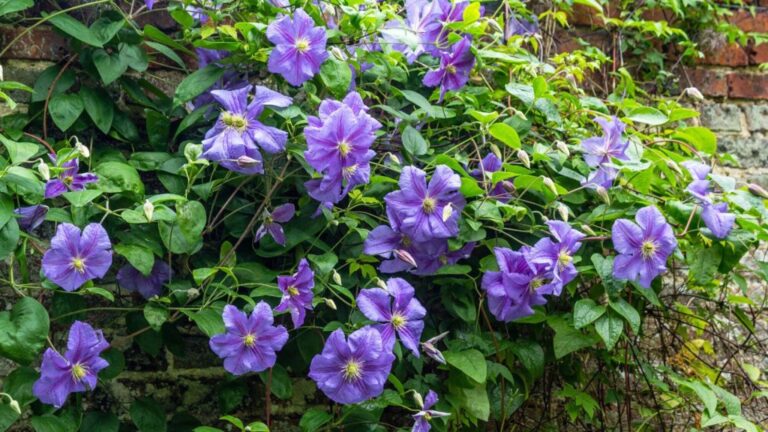
Lavender brings purple flowers and a distinctive fragrance to the garden. Its scent is pleasant to many people but may help discourage mosquitoes from hanging around.
It also does well in sunny spots and doesn’t need constant watering once established. Grow it in containers around a patio or plant it along a sunny walkway for a combination of fragrance and color.
Marigolds
Marigolds are easy to recognize by their bright yellow, orange, and red blooms. Their strong scent has long made them a popular choice for gardeners who want to discourage certain insects.
They also attract pollinators and beneficial insects, making them useful beyond their appearance. Plant them around vegetable beds, containers, or outdoor seating areas for a splash of color.
Related: Plant These 11 Things Near Your Tomatoes for a Better Harvest
Basil
Basil is a practical pick because you can grow it for cooking while enjoying its strong aroma outdoors. Its fragrant leaves may help make the area less attractive to mosquitoes.
Keep a few pots near the kitchen door, patio, or another sunny spot where you spend time. Then you can grab a handful of fresh leaves whenever you need them for pasta, salads, sauces, or summer drinks.
Rosemary
Rosemary has a strong herbal scent that many gardeners associate with Mediterranean-style cooking. Its fragrance may also help discourage mosquitoes around outdoor spaces.
Plant rosemary near a patio or walkway where people are likely to brush against the foliage. The movement can release more of those aromatic oils.
Rosemary also does well in containers, making it a good option if you don’t have much garden space.
Catnip
Catnip contains nepetalactone, a compound that has been studied for its insect-repelling properties. That makes this familiar herb an interesting choice for gardeners looking for plants that may help discourage mosquitoes.
There is one obvious downside: if cats live nearby, catnip may attract them to your yard. A few neighborhood cats suddenly rolling around your garden may be the price you pay for growing it.
Bee Balm
Bee balm is a favorite among gardeners who want to attract hummingbirds, butterflies, and bees. Its colorful flowers can bring plenty of activity to a garden throughout the growing season.
These flowers will fill your garden with hummingbirds
The plant’s fragrant leaves may also help discourage mosquitoes. Plant bee balm near a sunny patio or garden seating area, where you can enjoy the flowers while watching visiting pollinators.
Use Plants as One Part of Mosquito Control
Adding mosquito-repelling plants can make your outdoor space more pleasant, but they shouldn’t be treated as a stand-alone fix. Mosquitoes breed in standing water, so emptying birdbaths, plant saucers, buckets, gutters, and other containers where water collects can make a much bigger difference.
Think of fragrant herbs and flowers as one extra layer of protection. They bring useful scents, attractive flowers, and edible herbs to the garden while potentially making your favorite outdoor spots a little less appealing to mosquitoes.