Martha Stewart has never been known for doing things halfway in the garden. While plenty of home gardeners are happy with a few pots of herbs or a small flower bed, she has a habit of taking an idea much further. A simple planting can become long rows of lavender, a large vegetable garden, or an entire area devoted to a single plant.
Some of her gardening choices may seem like a lot at first. The amount of space, work, and upkeep can be enough to make most people reconsider. Martha, though, seems willing to put in the time if she thinks the result will make her property more beautiful or useful.
Over the years, those bigger ideas have become memorable parts of her gardens. Here are six things she has done that would be a pretty big commitment for the average gardener.
1. Turning a Simple Herb Patch Into a Fragrant Garden
For many people, an herb garden is a small collection of basil, rosemary, thyme, or mint planted near the kitchen. Martha has taken the idea much further, creating larger spaces where herbs become part of the garden itself rather than just a convenient source of ingredients.
Lavender, thyme, rosemary, sage, and other plants can fill the space, giving it plenty of color and fragrance. The plants are useful in the kitchen, but they also bring bees and other pollinators into the garden. Walking through an herb garden like this feels very different from stepping outside to grab a few sprigs of rosemary for dinner.
Related: 15 High-Performing Vegetables for Raised Bed Gardening
2. Restoring a Greenhouse Instead of Starting From Scratch
Buying a new greenhouse would be the easier option for most homeowners. Martha has also shown an interest in restoring older garden structures and giving them a useful place on the property.
A greenhouse can give gardeners somewhere to start seeds, protect delicate plants, and keep growing projects going during colder weather. Restoring an older structure takes more work than ordering a new one, but it can also give the garden a sense of history that a brand-new building doesn’t have.
The greenhouse becomes part of the gardening routine rather than just another structure sitting in the yard.
3. Making Room for Pollinators
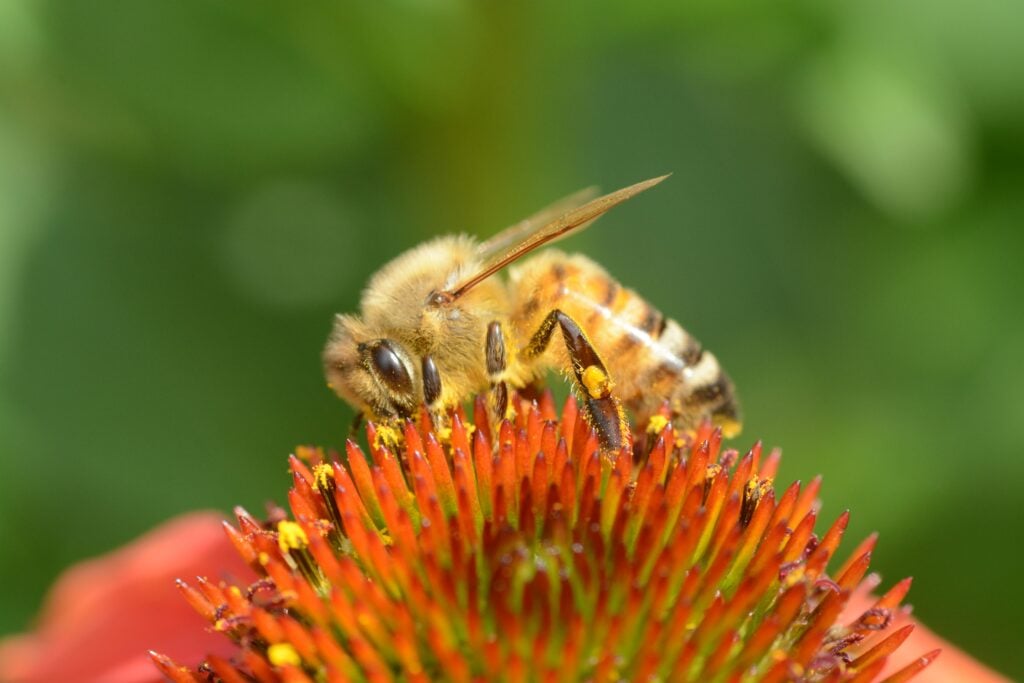
A garden can be planned around flowers, vegetables, trees, and shrubs, but there’s another group worth making room for: pollinators. Martha has included plants such as milkweed and echinacea that can provide food and habitat for bees, butterflies, and other insects.
That changes the way the garden feels. Instead of being a collection of plants that people simply look at, it becomes a place where insects are constantly moving from one bloom to another.
Adding pollinator-friendly plants doesn’t require a huge garden, either. A few carefully chosen flowers can provide bees and butterflies with another food source while adding color to the yard.
Related: Perennial Flowers That Make Gardening Easier Year After Year
4. Going All In on Lavender
A few lavender plants along a walkway can be a lovely addition to a garden. Martha has taken the idea much further by using larger plantings, making lavender a major part of the scenery.
When lavender is in bloom, the color alone makes a statement. Add the scent and the bees moving between the flowers, and it becomes difficult to see the plants as just another border.
Planting that much of one flower does take planning. Lavender needs the right growing conditions and room to spread, so it’s a commitment that may be too much for a small yard. For a gardener with enough space, though, a large lavender planting can turn a simple garden area into something memorable.
5. Committing to Formal Boxwood Plantings
Boxwood is a very different choice from loose, natural-looking flower beds. Formal boxwood designs depend on clean lines, repeated shapes, and regular trimming to keep everything looking tidy.
Martha has used structured plantings to bring a more formal look to parts of her garden. The clipped hedges can frame paths, divide garden areas, and give the landscape a sense of order.
The trade-off is the upkeep. Boxwood doesn’t stay neatly shaped on its own, so anyone copying this idea needs to be ready for regular pruning. For gardeners who enjoy that kind of maintenance, the result can provide a strong contrast to areas filled with flowers and less structured plants.
Related: 9 Old Gardening Tools That Could Be Worth Money Today
6. Creating a Pond That Feels Like a Garden Retreat
A small birdbath or simple fountain is enough for many backyards, but Martha has gone much bigger with water features. A pond can become a major part of the garden rather than an afterthought added to the side.
Water lilies, koi, rocks, and surrounding plants can add plenty of visual interest to a pond. The water also brings movement to the garden, whether it’s from fish swimming below the surface or leaves and flowers floating on top.
A project like this requires more planning and upkeep than a small decorative fountain. The pond needs care, and plants and fish need the right conditions. But with enough space and a willingness to maintain it, a larger water feature can give a garden a completely different feel.
Martha Stewart’s gardens show that there isn’t just one way to plan a backyard. Some ideas are easy enough for a weekend project, while others require plenty of land, time, and ongoing work.
You don’t have to copy an entire garden to borrow an idea from it. A small herb bed, a few pollinator plants, a patch of lavender, or a simple water feature can bring some of the same ideas into a much smaller space.