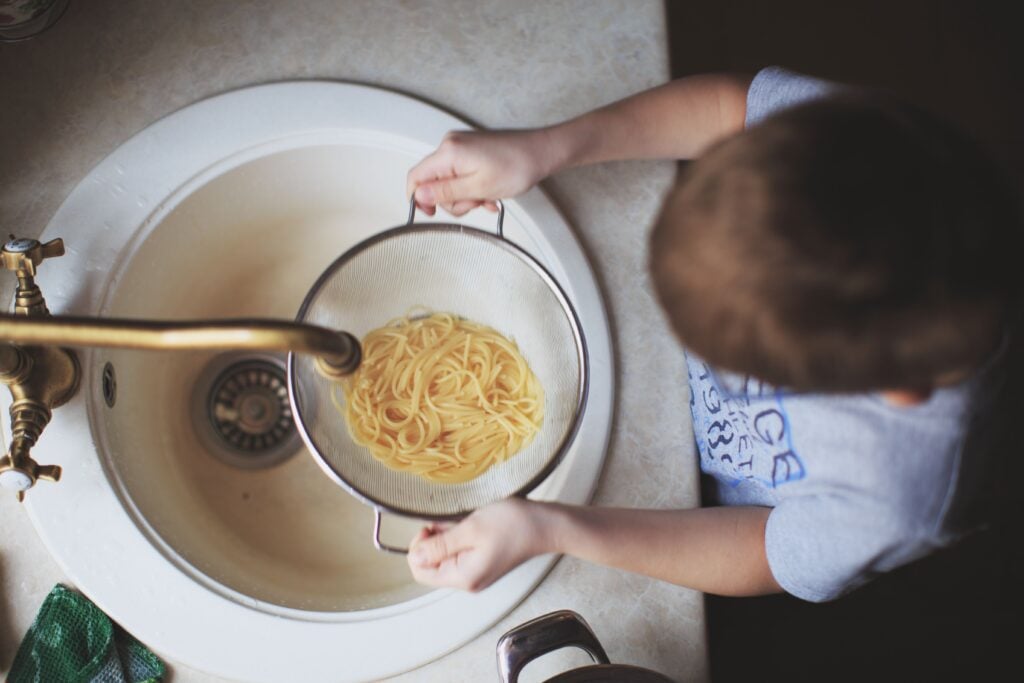
Most of us pour pasta water down the sink without giving it a second thought. But if you cook your pasta in plain, unsalted water, that leftover water doesn’t necessarily have to go to waste.
As pasta cooks, some starch moves into the water, along with very small amounts of minerals. That doesn’t turn pasta water into a homemade fertilizer, and there isn’t much evidence that it provides a major nutritional boost to plants. Still, plain pasta water can occasionally be reused in the garden, especially if you’re looking for another way to cut down on kitchen waste.
There are a few rules to follow. Let the water cool completely before using it, and skip it if you added salt, oil, butter, cheese, or sauce to the pot. It’s also better to use it occasionally rather than making it the primary source of water or nutrients for your plants.
If you have a pot of plain pasta water left over, here are 10 plants you could try it on.
Tomatoes
Tomatoes need regular water and a steady supply of nutrients throughout the growing season. Plain pasta water won’t replace tomato fertilizer or good garden soil, but using it occasionally can be an easy way to reuse leftover cooking water.
If your tomatoes are growing well, there’s no need to start giving them pasta water every time you cook. Think of it as an occasional extra rather than something they need to thrive.
Related: 10 Tomato Growing Tricks That Lead to a Garden Full of Fruit
Peppers
Bell peppers and hot peppers both do best with consistent moisture, plenty of sunlight, and healthy soil. Plain pasta water can occasionally be used as part of your normal watering routine, provided it has cooled completely and contains no salt or other ingredients.
Don’t expect it to produce bigger peppers on its own. Good soil and proper feeding will have a much bigger effect on the plants, but reusing plain cooking water is still an easy habit if you already have it available.
Eggplants
Eggplants are another garden crop that needs regular watering and reasonably fertile soil. Since they grow in much the same conditions as tomatoes and peppers, they can also tolerate an occasional watering with plain, cooled pasta water.
There’s no need to give them a large amount. Use enough to moisten the soil around the plant, just as you would with ordinary water, and stick to your regular fertilizing routine to provide the nutrients it actually needs.
Related: 10 Climbing Plants That Practically Grow Themselves
Basil
Basil grows quickly during warm weather and needs regular watering to keep producing fresh leaves. If you have unsalted pasta water left over, you can let it cool and use a little around your basil from time to time.
Basil doesn’t need special treatment to grow well, though. Sunlight, regular watering, good drainage, and occasional feeding are much more important than pasta water.
Related: 10 Things People Commonly Store in Plastic Containers That Actually Don’t Belong There
Oregano
Oregano is fairly easy to grow and doesn’t need constant feeding. If you’re looking for a way to reuse plain pasta water, you can give a small amount to an established oregano plant from time to time.
The main thing to watch is moisture. Oregano prefers well-draining soil, so don’t keep adding water just because you have leftovers from cooking. Let the soil dry somewhat between waterings.
Thyme
Thyme is another herb that prefers well-drained soil and generally doesn’t need much extra attention. A small amount of cooled, unsalted pasta water can be used occasionally, but regular watering habits matter much more.
If your thyme is already growing happily, there’s no reason to change your routine just to add pasta water. It’s simply another possible use for plain cooking water you would otherwise pour away.
Roses
Roses need adequate water, sunlight, and nutrients to grow well and produce flowers. Plain pasta water can be used occasionally around established rose bushes, but it shouldn’t replace a fertilizer formulated for roses.
If you want healthier blooms, focus on the basics first. Good soil, proper watering, enough sunlight, pruning, and appropriate feeding will do far more for your roses than a little leftover pasta water.
Related: If You Love Roses, These Beautiful Romantic Flowers Are Worth Growing
Geraniums
Geraniums are popular because they can produce plenty of flowers with the right growing conditions. They appreciate regular watering and feeding during periods of active growth, especially when they’re grown in containers.
If you have plain pasta water available, let it cool completely before using a little on your geraniums. Keep using your regular fertilizer, too, since pasta water doesn’t contain enough nutrients to meet the plant’s needs on its own.
Petunias
Petunias can be heavy bloomers, particularly during the warmer months, and they do well with regular watering and feeding. Plain pasta water can be reused on them occasionally if it contains no salt, oil, or other cooking ingredients.
For container-grown petunias, drainage is especially important. Too much water can cause its own problems, so don’t give a plant extra water simply because you have a pot of leftovers sitting on the counter.
Hydrangeas
Hydrangeas need consistent moisture, especially in hot or dry weather, and benefit from healthy soil and regular care. If you have cooled, unsalted pasta water left over, you can use some of it to water an established hydrangea occasionally.
Don’t expect pasta water to change the color of hydrangea flowers or replace the nutrients they need. Flower color is influenced largely by the type of hydrangea and, for some varieties, soil chemistry. Stick with the plant’s usual care routine and treat pasta water as a way to reuse something from the kitchen rather than a special plant treatment.