You bring home a fresh head of lettuce planning to make salads all week, only to find limp leaves and brown edges a few days later. A few simple storage changes can help keep those leaves crisp longer and save you from throwing good produce away.
Too much moisture, poor airflow, and certain fruits can cause lettuce to spoil faster. With the right storage habits, you can keep it fresh for a week or longer.
Pick the Freshest Lettuce at the Store
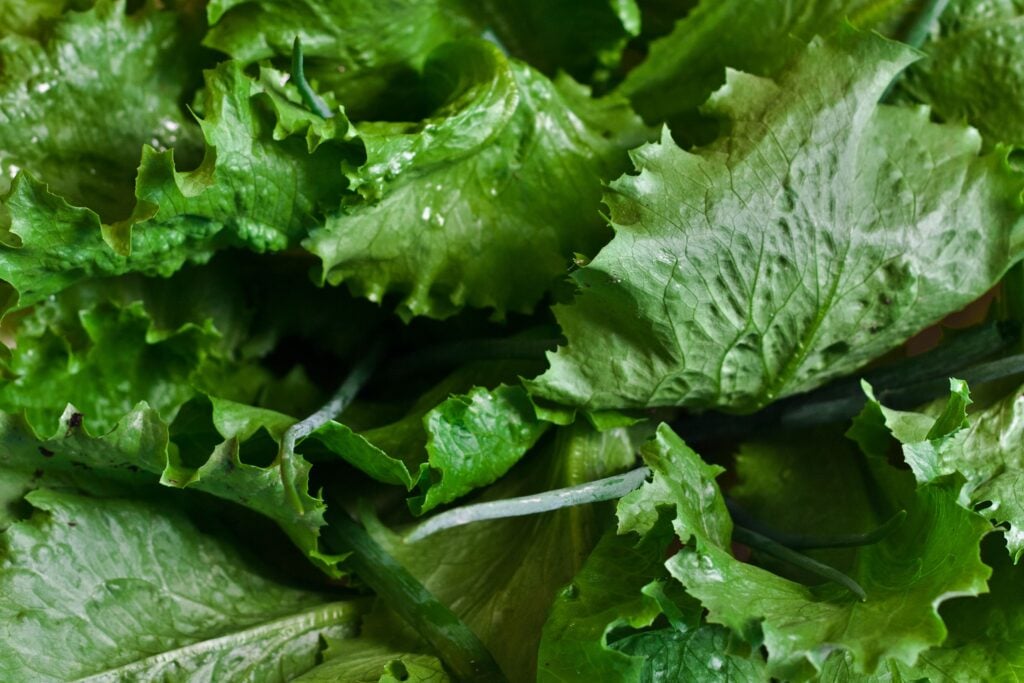
Choose lettuce that feels firm and heavy for its size, with crisp leaves and a fresh color. Skip heads with brown spots, slimy patches, or wilted outer leaves.
Whole heads usually last longer than chopped or bagged lettuce because the leaves have been disturbed less. If you’re buying bagged lettuce, avoid packages with water collecting inside.
Related: 15 High-Performing Vegetables for Raised Bed Gardening
Wait to Wash It
Washing lettuce before storing it can leave extra moisture on the leaves and make them spoil faster. Keep it dry in the fridge and rinse only what you’re ready to eat.
If you prefer washing everything ahead of time, dry the leaves completely before putting them away. A salad spinner or clean kitchen towels can help remove excess water.
Add a Paper Towel
A dry paper towel can absorb moisture that builds up around lettuce in the refrigerator. Wrap a whole head loosely with one, or place a sheet inside a container with loose leaves.
Check the towel every few days and replace it if it becomes damp. Keeping excess moisture away from the leaves can help prevent sogginess.
Store It in the Crisper Drawer
Keep lettuce in the crisper drawer instead of leaving it exposed on an open refrigerator shelf. The drawer can help protect leafy greens from the dry air circulating through the fridge.
If your refrigerator has humidity controls, use a higher humidity setting for leafy greens. Check the drawer regularly so moisture isn’t collecting around the lettuce.
Related: 14 Vegetables to Grow When You Want a Harvest in About 30 Days
Move Bagged Lettuce Into a Container
Once a bag of lettuce is opened, move the greens into a storage container lined with a paper towel. Leave some space around the leaves so they aren’t packed tightly together.
A loose-fitting lid can help protect the lettuce without crushing it. Replace the paper towel if you notice it becoming wet.
Keep It Away From Certain Fruits
Some fruits release ethylene gas as they ripen, which can speed up the aging of nearby produce. Keep lettuce away from apples, bananas, pears, tomatoes, and avocados when possible.
Giving lettuce its own spot in the crisper drawer can help it stay fresh longer. A little separation can also keep delicate leaves from getting bruised.
Related: 8 Vegetables That Keep Producing the More You Harvest
Try the Aluminum Foil Trick
Wrapping a whole head of lettuce loosely in aluminum foil is a storage trick many home cooks use. The foil can help manage moisture while keeping the head protected in the refrigerator.
Place the wrapped lettuce in the crisper drawer and check it every few days. Replace the foil if it becomes damp.
Toss Bad Leaves Right Away
Remove any leaves that become brown, slimy, or badly damaged as soon as you spot them. Spoiled leaves can add extra moisture and cause nearby leaves to break down faster.
Give the lettuce a quick check each time you use it. Getting rid of damaged pieces early gives the healthier leaves more time to stay fresh.
Give Lettuce Some Room
Packing too much lettuce into one container can crush the leaves and trap moisture. Store it loosely so the leaves have enough room and aren’t pressed together.
Extra space also helps prevent bruising and soggy spots. A little breathing room can make a noticeable difference with delicate lettuce leaves.
Related: Fruits and Vegetables That Often Slip Through Without Proper Washing
Use It Before It Starts to Decline
Plan a few meals around your lettuce during the first several days after buying it. Salads, wraps, sandwiches, and tacos are easy ways to use it while the leaves are still crisp.
If the leaves start to soften but are still fresh enough to eat, add them to soups or smoothies. Using the lettuce before it spoils can help keep more of your groceries out of the trash.