Waiting all season for something to grow can make gardening feel like a very slow hobby. Luckily, you don’t always have to wait that long. Some vegetables grow quickly enough that you can start picking them within a few weeks, making them a great choice for small gardens, containers, raised beds, or anyone who wants to see progress sooner.
The exact harvest time depends on the variety, weather, soil, and growing conditions. Many of these vegetables can be picked young, within 30 days, though some may need a little longer to reach their full size. Keep the soil evenly moist, give the plants enough sunlight, and pick leaves or roots once they are ready. Some will continue producing after the first harvest, giving you several meals from a single planting.
Kale
Kale is a tough leafy green that can get going quickly, especially in cool weather. You don’t have to wait for the plant to reach full size before picking it, either. Young leaves can often be harvested within a few weeks of planting.
Pick the larger outer leaves first and leave the smaller ones in the center so the plant can keep growing. This gives you fresh greens while allowing the plant to continue producing.
Related: 15 High-Performing Vegetables for Raised Bed Gardening
Arugula
Arugula is a great choice if you want fresh greens without a long wait. The peppery leaves can often be ready for picking in about three weeks, particularly when grown in cool weather.
You can pick a few leaves at a time instead of pulling up the entire plant. Planting small batches every couple of weeks can also give you a steady supply rather than one large harvest all at once.
Spinach
Spinach grows best during cooler parts of the year and can produce usable leaves fairly quickly. Baby spinach leaves are often ready to pick within a few weeks, making them handy for salads, sandwiches, and cooked dishes.
Pick the larger leaves first and leave the smaller center leaves alone so they have room to grow. Once temperatures get too warm, spinach may start producing flowers, so spring and fall are often the easiest times to grow it.
Lettuce
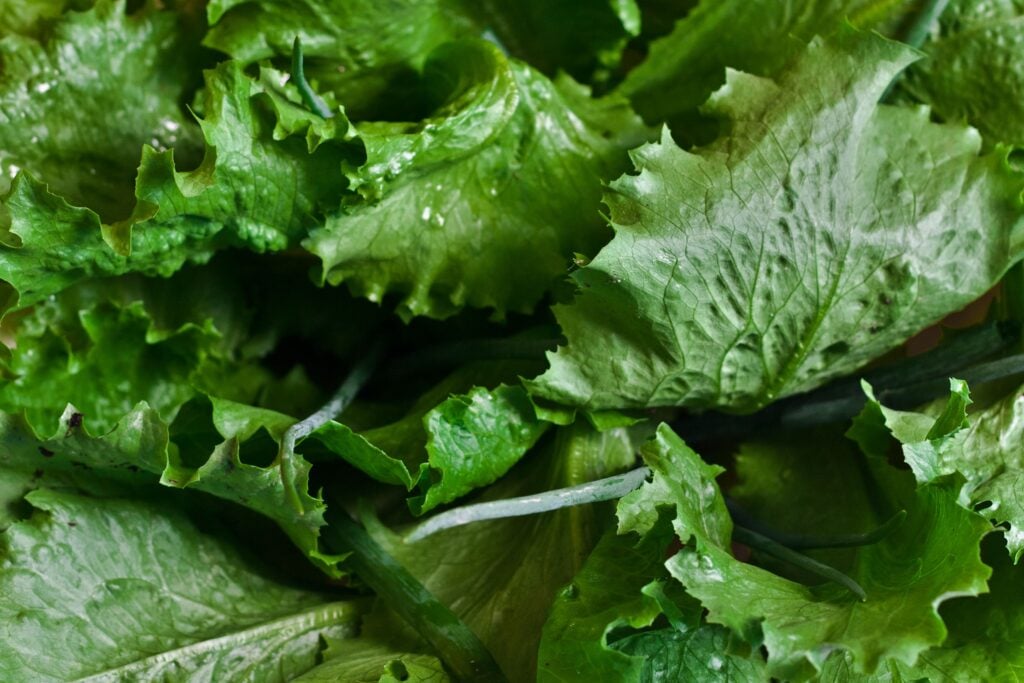
Loose-leaf lettuce is one of the easiest vegetables to harvest quickly. You don’t have to wait for a full head to form before you start eating it. Young leaves can often be picked just a few weeks after planting.
Lettuce also works well in containers, raised beds, and other small spaces. Cut or pick only what you need, leaving the rest of the plant in place so it can keep producing.
Related: Best Way to Store Lettuce and Keep It Crisp for Days
Green Onions
Green onions, also called scallions, are easy to grow and don’t take up much space. The green stalks can develop quickly and may be ready to harvest within a few weeks, depending on the variety and growing conditions.
They’re handy to have around because you can snip what you need for salads, soups, eggs, rice, and stir-fries. Some varieties can also regrow from the base, giving you another crop from the same plant.
Radicchio
Radicchio is a cool-weather crop that can give you an early harvest if you pick the young leaves instead of waiting for a full head. The leaves have a slightly bitter flavor that works well in salads and cooked dishes.
Give radicchio well-drained soil and cooler temperatures for the best results. If you enjoy the flavor of young leaves, you can start harvesting before the plant reaches maturity.
Bok Choy
Bok choy is another fast-growing leafy vegetable that does well in cooler weather. Baby varieties are especially useful for gardeners who want a quick crop, as they may be ready for harvest in about a month.
The leaves and crisp stems can be chopped into stir-fries, soups, noodle dishes, and salads. Pick baby bok choy while it’s still small, or harvest individual leaves if you want the plant to keep growing.
Related: 14 Vegetables That Grow in 30 Days or Less
Chives
Chives are technically an herb, but they deserve a spot in a quick-growing garden. They produce thin green leaves with a mild onion flavor, and once the plants are established, you can trim them regularly and watch them grow back.
A small handful can add plenty of flavor to potatoes, eggs, soups, salads, dips, and other everyday meals. They also take up very little space, making them a good choice for containers or small garden beds.
Beet Greens
Beets may need more time to develop their roots, but you can harvest the leafy tops much sooner. Young beet greens can often be picked within a few weeks and used much like spinach or Swiss chard.
Pick a few of the larger leaves while leaving plenty behind for the plant to keep growing. If you’re growing beets for the roots too, avoid stripping all the leaves at once.
Swiss Chard
Swiss chard is a handy vegetable for gardeners who like crops that keep giving. The young leaves can be picked fairly early, and the plant can continue producing new leaves throughout the growing season.
You can eat the leaves raw when they’re young or cook larger leaves with the stems. Pick the outer leaves first and leave the center of the plant alone so new growth can continue.
Related: Fruits and Vegetables That Often Slip Through Without Proper Washing
Radishes
Radishes are hard to beat if you want a vegetable that goes from seed to harvest quickly. Some varieties can be ready in about three weeks, although the exact timing depends on the variety and growing conditions.
They’re also easy to grow in containers or small garden beds. Pull them once the roots reach a good size, and consider planting another small batch right away for a second harvest.
Bush Beans
Bush beans can produce a harvest fairly quickly once the weather is warm enough. Some varieties begin producing pods in roughly 40 to 60 days, so they may take a little longer than the fastest leafy greens but are still a good choice for a relatively quick crop.
Pick the beans while the pods are young and tender. Regular harvesting can encourage plants to produce more pods, so check them often once they start flowering.
Peas
Peas prefer cooler weather and can produce edible pods fairly quickly in the right conditions. Snap peas are especially convenient because you can eat the pods while they’re still young and crisp.
Pick the pods regularly once they begin forming. Peas don’t love hot weather, so planting them at the right time can make a big difference in how well they produce.
Mustard Greens
Mustard greens grow quickly and can be harvested young rather than waiting for large, mature leaves. Their slightly spicy flavor works well in salads, sandwiches, soups, and cooked dishes.
They tend to do best in cooler weather, much like spinach and arugula. Pick the outer leaves as needed and leave the center of the plant growing for a longer harvest.