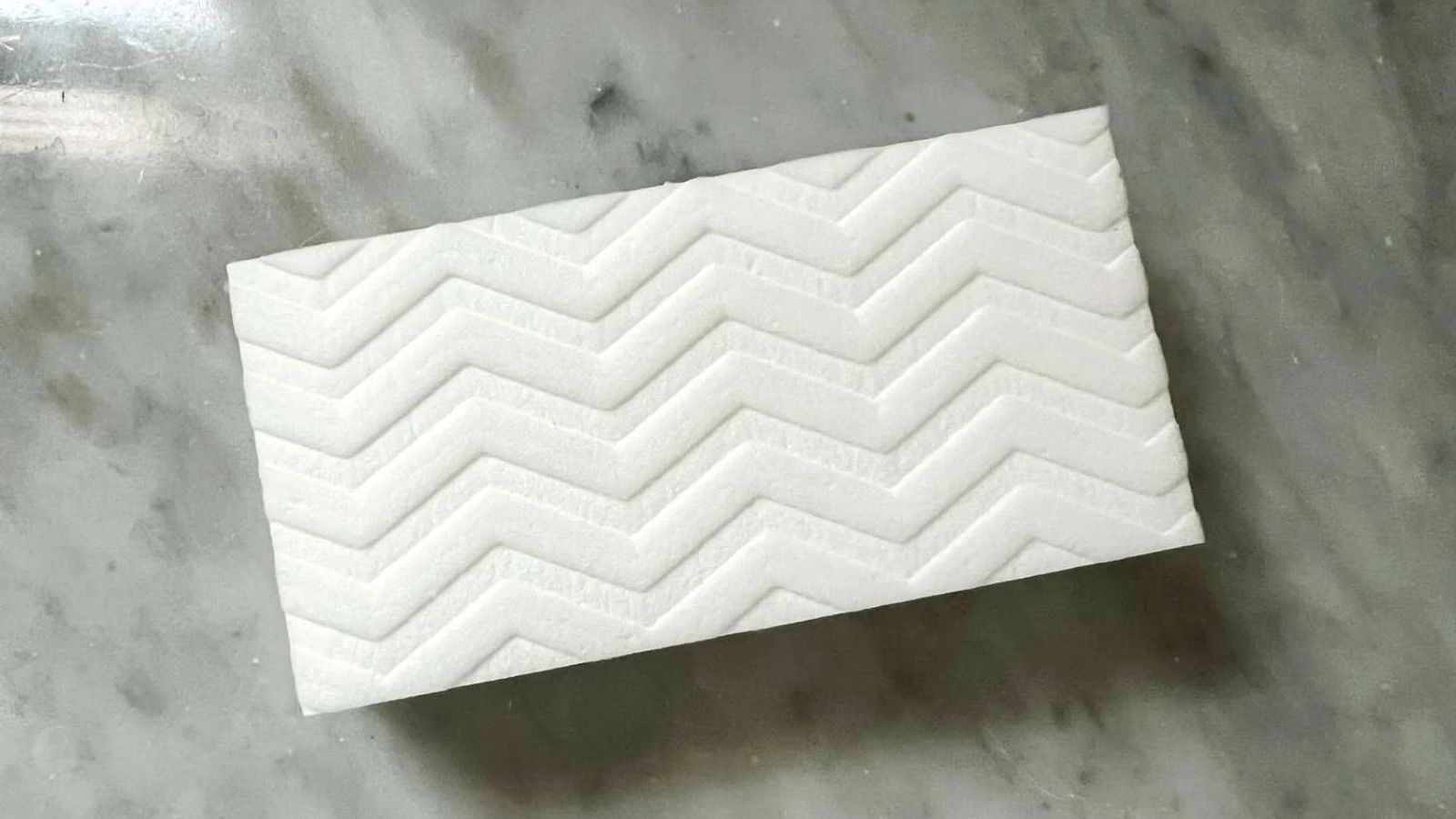
Magic Erasers are one of those cleaning supplies that seem to have an answer for almost every stubborn mess. I use a Mr. Clean Magic Eraser to tackle scuff marks, greasy spots, and stains that a regular sponge can’t seem to remove.
There is one thing to watch out for, though. The same scrubbing action that makes a Magic Eraser useful can also leave certain household surfaces scratched, faded, or worn.
Magic Erasers are made from melamine foam, a material with an abrasive texture similar to very fine sandpaper. Rather than lifting dirt with a simple wipe, the foam scrubs it away, which can also wear down paint, coatings, stains, and protective finishes.
I’ve found that the damage isn’t always obvious while you’re cleaning. A spot might look fine when it’s wet, then dry with a dull patch or an uneven finish that wasn’t there before. Once that surface has been worn away, another round of cleaning won’t bring it back.
Before trying a Magic Eraser on an unfamiliar material, test it in a small, hidden area. A quick test is much easier than dealing with a damaged finish later.
Wood Furniture and Floors
I’d keep Magic Erasers away from most finished wood surfaces. That sticky mark on a table, cabinet, or floor might seem like it needs a little extra scrubbing, but the foam can remove the stain, paint, or protective coating along with the dirt.
I’ve made the mistake of cleaning wood this way and ending up with a cloudy, dull-looking patch. It became even more noticeable after the surface dried.
For routine cleaning, use a soft cloth and a gentler product such as Murphy’s Wood Cleaner. It’s a better option for finished wood furniture and cabinets.
Related: 12 Things People With Always-Clean Homes Never Do
Stainless Steel Appliances
Stainless steel appliances look sturdy, but their surface finish can be damaged by abrasive cleaning. A Magic Eraser may leave scratches or dull areas, particularly if you keep rubbing the same spot.
That is the last thing you want to see on a refrigerator or dishwasher you’ve spent good money on.
For fingerprints, grease, and everyday smudges, reach for a stainless steel cleaner and a soft cloth. You’ll get a clean surface without risking the uneven, scratched appearance that abrasive scrubbing can leave behind.
Related: The Forgotten Skills That Once Kept Homes Clean, Tidy, and Comfortable
Glossy and High-Shine Surfaces
Be careful with anything that has a glossy or polished finish. Lacquered furniture, shiny cabinets, polished surfaces, and some countertops can lose their shine after being scrubbed with a Magic Eraser.
A small mark can turn into a much larger dull area if you rub too hard or cover too much of the surface.
A microfiber cloth and a cleaner approved for that material are safer choices. Check the manufacturer’s care instructions if you’re unsure which products are safe to use.
Related: Don’t buy this kitchen item secondhand — even if it looks perfectly clean
Leather and Suede
Leather and suede can be damaged by the rough texture of a Magic Eraser. It may remove color from leather, leave a rough patch, or change the texture in a way that’s difficult to correct.
Suede needs extra care because rubbing can disturb its soft, textured surface.
For leather furniture, shoes, handbags, and other items, use a cleaner made for the material. Follow the item’s care instructions rather than treating it like an ordinary hard surface.
Electronic Devices
A Magic Eraser might seem useful for removing fingerprints from phones, tablets, computer screens, and televisions, but it’s best to leave it out of your electronics-cleaning routine.
Many screens have protective coatings that can wear away under abrasive scrubbing. Damage to those coatings may leave cloudy patches, make fingerprints more noticeable, or give the screen an uneven appearance.
For light smudges, use a soft microfiber cloth made for electronics. If a cleaning solution is needed, choose one labeled safe for your particular screen.
Related: 14 Family Heirlooms That Are Often Thrown Away Without Realizing Their Value
Nonstick Pots and Pans
Nonstick cookware needs gentle cleaning because its coating is what keeps food from sticking to the pan. Scrubbing that layer with an abrasive product can wear it down and leave the cookware less useful.
A Magic Eraser can be too rough for nonstick finishes, especially if you apply a lot of pressure.
For stuck-on food, try a soft sponge and a cleaner that’s approved for your cookware. I’ve had better luck with Stardrops The Pink Stuff Cleaning Paste, but check the pan manufacturer’s instructions before using any cleaning paste.
Your Car’s Surfaces
A Magic Eraser may seem like a quick fix for marks inside or outside your car, but vehicles have several finishes that can be damaged by abrasive scrubbing.
On painted areas, it can wear down the clear coat or leave scratches. Some interior materials, including plastic, vinyl, and leather, can also become scratched, faded, or rough.
For the inside of your car, use a mild automotive cleaner that’s labeled safe for the material you’re cleaning. A product such as Mrs. Meyer’s Multi-Purpose Cleaner may work on suitable household surfaces, but check its label before using it in or on your vehicle.
Glass and Mirrors
Glass may seem like a safe match for a Magic Eraser, but abrasive scrubbing can leave fine scratches or a hazy-looking area. The risk is higher if you press hard or repeatedly scrub the same spot.
For windows and mirrors, use a microfiber cloth with a gentle glass cleaner. It may take a little extra wiping to remove stubborn marks, but that’s better than leaving scratches on a mirror or window.
Painted Walls
Walls are a tricky case because Magic Erasers are often used to remove scuffs and marks from paint. They can work on some surfaces, but scrubbing too hard may take off paint or leave a visibly different patch.
Flat and matte finishes are especially prone to damage. Once the wall dries, the cleaned area may look lighter or have a different texture from the surrounding paint.
I’d start with a soft, damp cloth and a mild cleaner such as Mrs. Meyer’s Multi-Surface Cleaner. If the mark remains and you decide to try a Magic Eraser, test a hidden area first and use very light pressure.
Your Skin
Magic Erasers should never be used on your skin. Their abrasive texture can cause irritation, redness, and small abrasions, so they’re unsuitable for scrubbing stains off your hands, feet, or any other part of your body.
Keep a Magic Eraser for household cleaning rather than personal care. Wearing gloves while cleaning can also help protect your hands, especially during longer cleaning sessions.
Other Posts You Might Like
- How to Clean a Couch with a Steam Cleaner
- This Is What People With Clean, Organized Homes Do Differently
- 12 Hidden Habits of People Who Always Have An Immaculately Clean and Organized Home
- 19 Airbnb Cleaning Hacks (Cleaning Secrets for Hosts)
- Grandma’s Best Kept Cleaning Tips That Put Today’s Cleaning Routines to Shame