Plumbing problems don’t always announce themselves with a burst pipe or water pouring through the ceiling. Sometimes, the first signs are much less obvious, like a strange smell near the sink, a slow drain, a small stain on the wall, or a water bill that’s suddenly higher than usual.
These little changes are easy to brush off, especially if everything still seems to be working. A small leak or blockage can go unnoticed for weeks, though, and the longer it sits, the more damage it can cause.
Knowing what to look for can help you catch plumbing trouble before you’re dealing with a much bigger repair. Here are nine signs around the house that deserve your attention.
1. Discolored Pipes
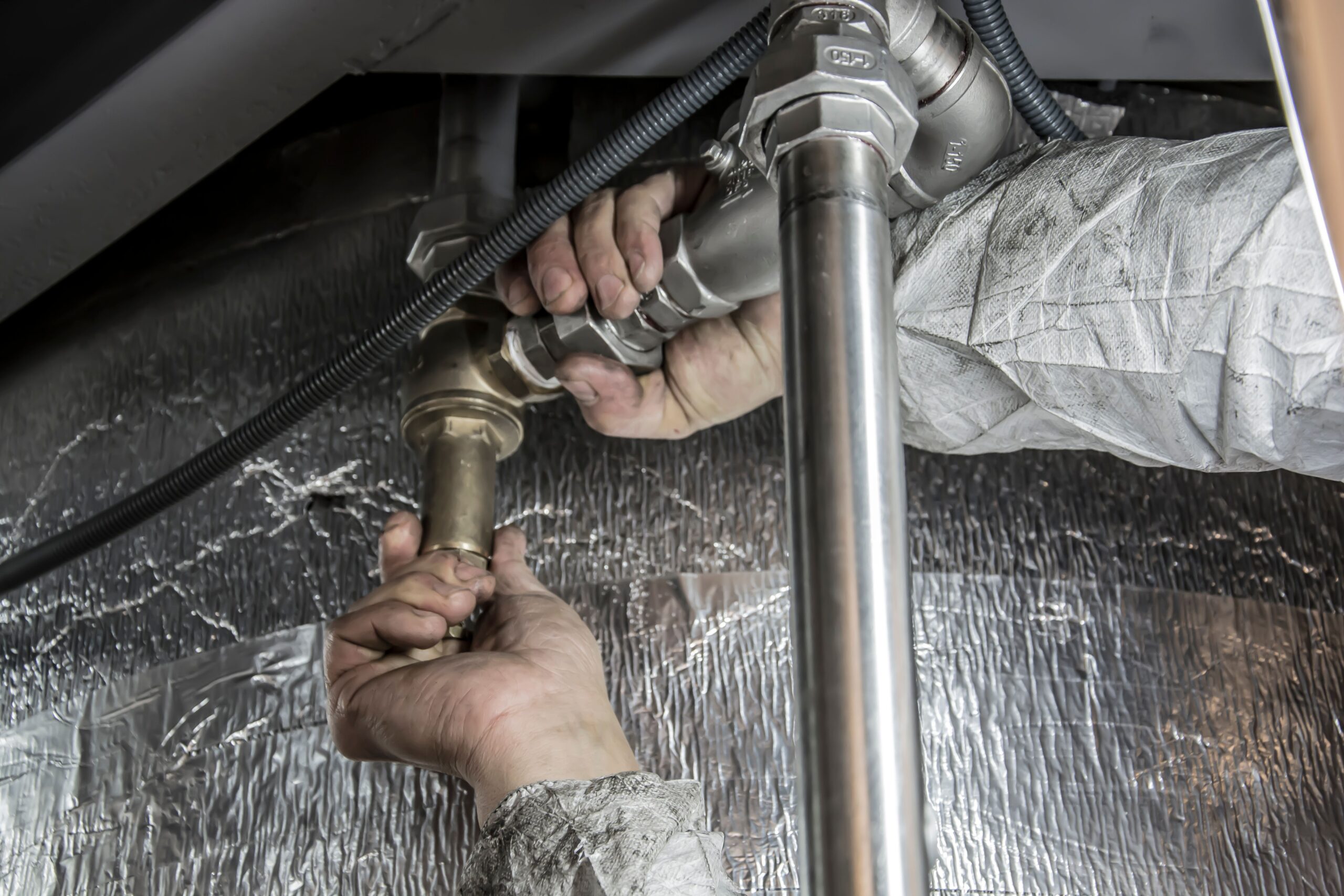
Check the exposed pipes under your sinks, near the water heater, and in the basement. Rust-colored stains, green buildup, or dark marks around pipe connections can point to corrosion or moisture from a slow leak.
Discoloration doesn’t always mean a pipe is about to break, but it’s worth checking rather than ignoring. A plumber can help determine whether the pipe needs cleaning, repair, or replacement.
Related: 10 Plumbing Mistakes That Can Cost You Thousands
2. Sewer Smells Inside the House
Your plumbing system should keep sewer odors from entering your living spaces. If you notice a sewage-like smell near a sink, shower, bathtub, or floor drain, the drain or vent system may have a problem.
Sometimes, the cause is a dry drain trap in a fixture that hasn’t been used for a while. Running some water may fix it, but a smell that keeps returning could point to a blocked vent, damaged drain line, or sewer connection problem.
3. Weak Water Pressure Throughout the House
A weak stream from one faucet may be caused by something minor, such as a clogged aerator or mineral buildup inside the fixture. Cleaning the aerator may be enough to get the water flowing normally again.
A sudden drop in pressure throughout the entire house is a different matter. Leaking pipes, corrosion, a problem with the water main, or an issue with the pressure regulator could be responsible.
Pay attention to whether the problem affects one fixture or several. If every faucet and shower has weaker pressure than usual, it’s worth having the plumbing checked.
4. Drains That Empty Slowly
A slow bathroom sink or shower drain is often caused by hair, soap residue, and other debris collecting near the opening. Removing the buildup or using a plunger may clear a minor clog.
If several drains start moving slowly around the same time, the blockage may be farther down the plumbing system. Tree roots, damaged sewer lines, or heavy buildup in the main drain can restrict wastewater flow and cause backups.
5. Water Stops Flowing During Cold Weather
If your faucets suddenly stop producing water during a cold spell, a frozen pipe may be the reason. Pipes in garages, crawl spaces, attics, and exterior walls are especially vulnerable when temperatures drop.
Water expands as it freezes, putting pressure on the pipe walls until cracks or splits can form. The damage may not become obvious until the ice melts and water starts leaking.
If you suspect a frozen pipe, don’t wait for warmer weather to solve the problem. Shut off the water if you suspect a break, and contact a plumber to thaw the pipe safely.
6. Unexpected Increases in Your Water Bill
A higher water bill can signal that something is leaking in your plumbing system. If your household hasn’t changed its water habits but your bill has climbed, it’s worth checking for a hidden leak.
A running toilet, dripping faucet, or damaged pipe can waste water even when nobody is using a fixture. Some leaks are easy to spot, while others may be hidden behind walls, under floors, or beneath the house.
Compare your recent bills to see whether the increase is unusual. You can also check your water meter when no water is being used to see whether it continues moving.
7. Bubbling Paint or Water-Stained Walls
Brown ceiling spots, peeling paint, bubbling drywall, and damp patches on walls can all signal a leak. The water may be coming from a nearby supply line, drainpipe, toilet, bathtub, or another plumbing fixture.
The visible stain isn’t always directly below the source because water can travel along pipes, beams, and other surfaces before appearing. Painting over the mark won’t fix anything if the leak is still active.
Have the source checked before repairing the wall or ceiling. Leaving damp materials untreated can lead to more damage and create conditions where mold can grow.
8. Water That Looks Cloudy, Brown, or Green
Tap water should usually run clear, so a sudden color change is worth paying attention to. Brown or yellow water can come from rust or sediment, while cloudy water may be caused by tiny air bubbles.
Sometimes, discoloration happens after water main repairs or other work on the local water system. If the water stays discolored, has an unusual smell, or keeps changing color, contact your water provider or a licensed plumber to find out what’s happening.
Don’t assume discolored water is safe to drink just because it comes from the tap. Follow your local water provider’s guidance until the cause is clear.
9. A Toilet That Rocks or Wobbles
A toilet should stay firmly in place when you sit on it. If it moves side to side, the mounting bolts may be loose, or the seal or flooring underneath may be damaged.
A worn or damaged wax ring can allow water to leak around the toilet’s base, sometimes without leaving an obvious puddle. Over time, that moisture can rot the flooring and cause a much bigger repair.
Don’t ignore a toilet that rocks, even if it still flushes normally. Have the base checked so loose fittings or hidden water damage can be dealt with before the floor gets worse.