You bring home a fresh head of lettuce with every intention of making salads all week. A couple of days later, you open the fridge and find limp leaves, brown edges, or a soggy pile that’s headed for the trash.
It happens all the time. Lettuce has a short shelf life, and a few common storage mistakes can make it spoil much sooner than expected. Too much moisture, poor air circulation, or keeping it near certain fruits can all shorten its lifespan.
A few small changes can help your lettuce stay crisp for a week or longer, cutting down on food waste and saving you from buying another bag before you’re ready.
Pick the Freshest Lettuce at the Store
Fresh lettuce lasts longer, so it pays to spend an extra minute looking it over before you put it in your cart.
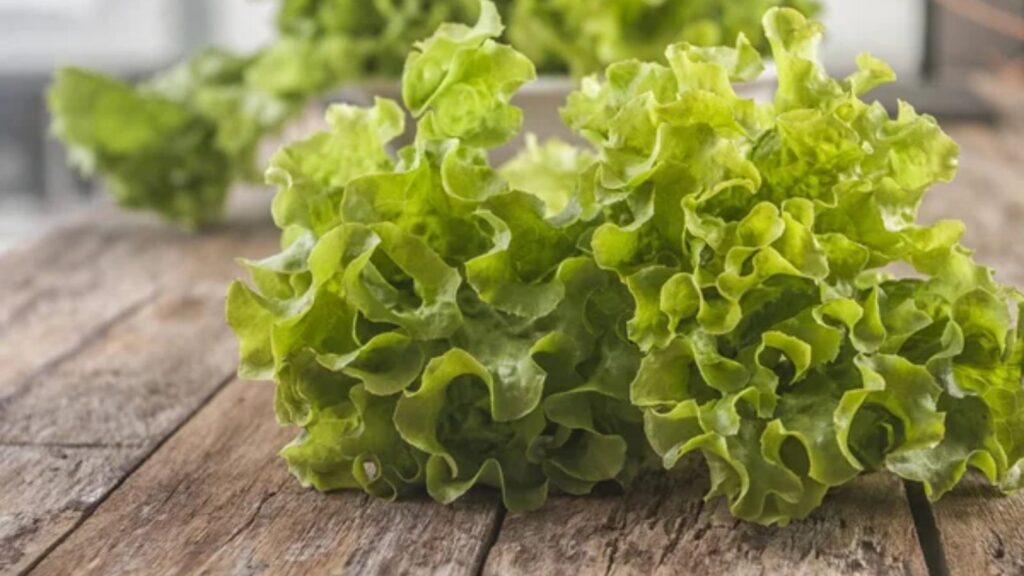
Choose heads that feel firm and heavy for their size, with crisp leaves and bright color. Skip any with brown spots, slimy patches, or wilted outer leaves.
Whole heads usually outlast chopped or bagged lettuce because the leaves haven’t been cut. If you’re buying a bagged mix, look for one without moisture collecting inside. Wet leaves spoil much faster, even before you bring them home.
Wait to Wash It
It might seem like washing lettuce right away will save time later, but it usually has the opposite effect.
Extra moisture trapped on the leaves speeds up spoilage and can leave your lettuce soft and slimy after just a few days. Leave it dry while it’s in the fridge, then rinse only what you’ll be eating.
If you prefer to wash everything ahead of time, dry the leaves thoroughly with a salad spinner or clean kitchen towels before putting them away.
Add a Paper Towel
A simple paper towel can make a noticeable difference.
Wrap a whole head of lettuce in a dry paper towel before storing it, or place one inside the container with loose leaves. The towel absorbs condensation that collects during the week, helping the lettuce stay dry instead of soggy.
If the towel becomes damp, swap it for a fresh one.
Store It in the Crisper Drawer
Your refrigerator’s crisper drawer gives leafy greens a better environment than an open shelf.
Keep lettuce in the vegetable drawer if you have room. If your refrigerator has humidity controls, use the higher humidity setting for leafy greens. This helps the leaves stay crisp without trapping too much moisture.
Move Bagged Lettuce Into a Container
The original bag isn’t always the best place to keep lettuce after you’ve opened it.
If you notice water droplets inside the package, transfer the greens to a storage container lined with a paper towel. Don’t pack the leaves tightly. Leaving a little space helps air move around them and keeps them from getting crushed.
A container with a loose-fitting lid usually works better than squeezing everything back into the bag.
Keep It Away From Certain Fruits
Some fruits release ethylene gas as they ripen. That gas speeds up the aging process in many vegetables, including lettuce.
Try to keep lettuce away from apples, bananas, pears, tomatoes, and avocados. Giving leafy greens their own spot in the crisper drawer can help them stay fresh for several more days.
Try the Aluminum Foil Trick
If you’re storing a whole head of lettuce, wrapping it loosely in aluminum foil is a trick many home cooks swear by.
The foil helps block excess moisture while still letting the lettuce breathe. Store the wrapped head in the crisper drawer, and replace the foil if it becomes damp.
Many people find that this method keeps whole heads crisp much longer than storing them in the plastic bag they came in.
Toss Bad Leaves Right Away
If you spot a leaf that’s turning brown or slimy, remove it as soon as you notice it.
Spoiled leaves hold extra moisture and can cause the rest of the lettuce to break down faster. Taking out damaged pieces early helps the healthy leaves stay fresh longer.
Give Lettuce Some Room
Packing too much into one container traps moisture and crushes the leaves.
Store lettuce loosely whenever possible so air can circulate it. A little extra space helps prevent bruising and keeps the leaves from becoming soggy.
Use It Before It Starts to Decline
Even with good storage habits, lettuce won’t stay fresh forever.
Plan a couple of meals around it during the first few days after shopping. If you notice the leaves starting to soften, use them in wraps, sandwiches, tacos, soups, or smoothies before they go bad.
A little planning goes a long way toward keeping fresh produce out of the trash.