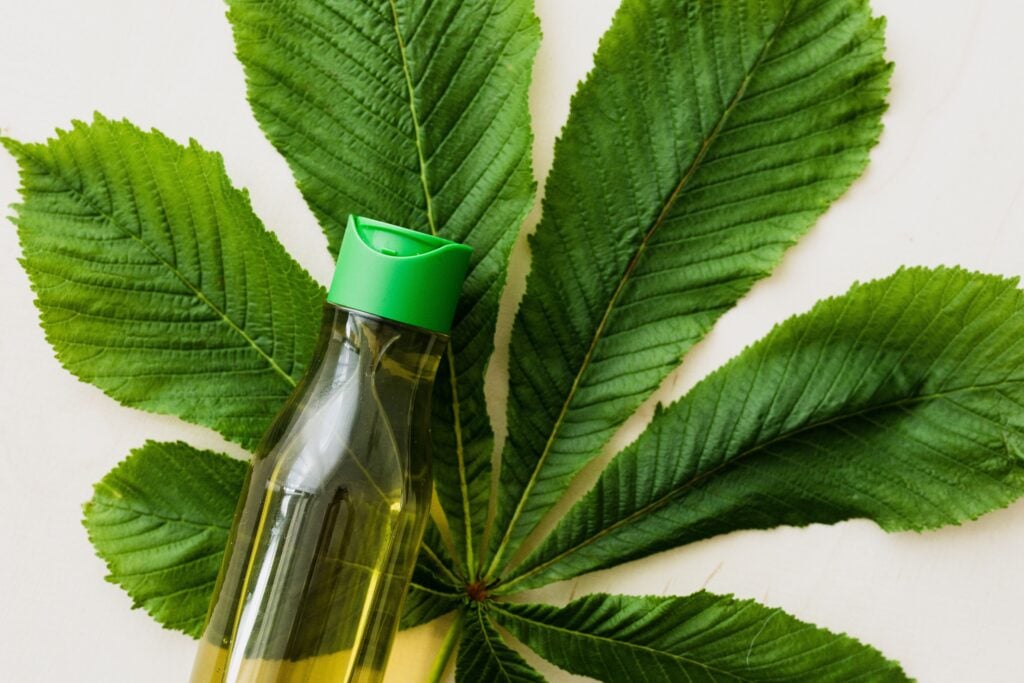
Castor oil has been sitting in medicine cabinets and bathroom drawers for generations. Long before there were shelves full of products for every little skin, hair, and household problem, people often kept a bottle of this thick oil around and found plenty of ways to use it.
Castor oil comes from the seeds of the castor plant and has a much thicker feel than many other common oils. Its texture makes it useful for moisturizing dry skin, conditioning hair, and treating rough patches of skin. Over the years, it also became part of various traditional home remedies and household routines.
Some of those uses are still around today, while others are better thought of as old-fashioned practices rather than proven treatments. Here are some of the ways people have traditionally used castor oil and how it fits into everyday care today.
Moisturizes Dry Skin
Castor oil is thick and rich, which makes it useful for areas that tend to get especially dry. People often rub a small amount onto elbows, knees, hands, or heels when their skin feels rough.
Because it can feel quite heavy, a little usually goes a long way. Some people also mix it with a lighter oil if they don’t like the sticky feeling when used on its own.
Related: 16 Uses for Vaseline Most People Never Think About
Softens the Look of Fine Lines
Castor oil has been part of simple skin care routines for a long time. Its fatty acids can help keep the skin moisturized, which may temporarily make dry skin look smoother.
Some people apply a very small amount before bed, particularly around areas that tend to get dry. It won’t erase wrinkles, but keeping skin moisturized can make fine lines look less noticeable when dryness is contributing to their appearance.
Softens Corns and Calluses
Hard, dry skin on the feet can be uncomfortable, especially around the heels and toes. Castor oil has traditionally been used to soften these rough areas because of its thick, moisturizing texture.
A common routine is to rub a small amount onto the area before bed and put on clean socks. Regular moisturizing can help keep the skin softer, although painful or persistent corns and calluses may need more than a home treatment.
Related: 16 Strange Epsom Salt Uses That Are Actually Worth Trying
Used as an Oil Cleanser
Castor oil has also found a place in oil cleansing routines. The idea is to use oil to help loosen makeup, sunscreen, and some of the oil and buildup sitting on the skin.
Since castor oil is quite thick, people often mix it with a lighter oil such as jojoba or sunflower oil. The mixture can then be massaged gently onto the face and removed with a warm, damp washcloth.
If you have sensitive or acne-prone skin, it’s a good idea to test any oil on a small area first. Facial skin can react differently from person to person.
A Traditional Remedy for Styes
Castor oil has appeared in some traditional home remedies for styes and irritated eyelids. That doesn’t mean it has been proven to treat a stye, and putting oils near the eye can create another problem if the product gets into the eye.
For that reason, castor oil shouldn’t be applied directly to the eye or inside the eyelid. A stye that is painful, keeps getting worse, affects vision, or doesn’t clear up should be checked by a medical professional.
Used in Massage for Sore Muscles
Castor oil has been used in traditional massage and warm compress routines for sore muscles and joints. The warmth and gentle massage may feel relaxing, while the oil adds moisture to the skin.
Some people make a castor oil compress by applying the oil to a cloth and placing it over a body area. Claims that castor oil itself treats inflammation or other medical conditions aren’t well established, so it’s better to think of this as a comfort ritual rather than a medical treatment.
Conditions Dry Hair and Scalp
Castor oil is popular in hair care because of its thick texture. A small amount can add moisture and shine to dry hair, and some people massage it into their scalp before washing.
Since it’s so thick, using too much can leave hair feeling greasy and difficult to wash out. Mixing a little castor oil with a lighter oil can make it easier to spread through the hair.
Moisturizes Dry Lips
A tiny amount of castor oil can also be used on dry lips. Its thick texture helps leave a layer of oil on the surface, which can make dry lips feel softer.
It’s an easy option for those who already keep castor oil on hand, though a regular lip balm or petroleum jelly can work just as well for many.
Cares for Nails and Cuticles
Dry cuticles can make otherwise healthy nails look rough. Rubbing a drop of castor oil over the cuticles and around the nails can help add moisture and soften dry skin.
Some people also massage a little into brittle nails as part of their nail care routine. It won’t magically make nails grow faster, but keeping the surrounding skin moisturized can make the hands look better cared for.
Conditions Eyebrows and Lashes
Castor oil has become especially popular in beauty routines involving eyebrows and eyelashes. People often apply a very small amount to their hair to make it look conditioned and less dry.
There’s a big difference between conditioning hair and making it grow. Castor oil hasn’t been shown to reliably increase eyelash or eyebrow growth, and getting any oil into the eyes can cause irritation.
If you use it around the eyes, use a very small amount and a clean applicator. A cotton swab can make it easier to apply a tiny amount without coating the whole area.
Traditional Castor Oil Packs
Castor oil packs have been used in various traditional wellness practices for a long time. The usual method involves soaking a cloth with castor oil, placing it on the skin, and adding gentle warmth.
People use these packs for relaxation and personal wellness, but many of the stronger health claims associated with them haven’t been well established by research. If you’re using one, avoid excessive heat and don’t apply it to broken or irritated skin.
Related: 12 Surprising Garden Uses for Eggshells You Probably Haven’t Tried
Removes Some Makeup
Oil can help loosen makeup, which is why castor oil sometimes appears in homemade makeup removal routines. A small amount can be gently massaged into the skin and then wiped away with a warm washcloth.
Because castor oil is thick, it may work better when mixed with a lighter oil. Take extra care around the eyes, where rubbing too hard or getting oil into the eye can cause irritation.
Softens Rough Heels
Dry heels are one of the easiest places to put castor oil to use. The thick oil can coat the skin and help soften rough, dry areas.
A common bedtime routine is to apply a small amount to clean feet and put on a pair of socks. If your heels are deeply cracked, bleeding, painful, or showing signs of infection, regular moisturizing may not be enough.
Conditions Beards and Facial Hair
A few drops of castor oil can be worked through a beard to help make coarse facial hair feel softer. It also leaves some moisture on the skin underneath, which can be helpful if the area tends to get dry.
Since castor oil is thick, start with a very small amount. Too much can leave a beard looking greasy instead of neatly conditioned.
Natural Lubricant for Some Household Jobs
Castor oil has also been used outside of personal care. Its thick consistency makes it useful for certain light lubrication jobs, such as small hinges, tools, or other household items where a heavy oil is suitable.
Before using it on anything valuable or mechanical, check whether the manufacturer recommends a particular lubricant. Oils can stain some materials and aren’t appropriate for every type of moving part.
Related: Unusual but Powerful Survival Uses for Vaseline You Probably Never Considered
Used in Some Garden Pest Remedies
Castor oil has also been used in homemade garden remedies intended to discourage certain burrowing animals. Some gardeners use castor oil in mixtures applied around areas where moles or other digging animals have been causing problems.
Results can vary, and it isn’t a guaranteed way to get rid of garden pests. If you use any homemade pest mixture, make sure it’s safe for the plants, pets, wildlife, and soil in the area.
Conditions Leather
A small amount of castor oil can be used on some leather goods, including boots, belts, and bags. The oil can help make dry leather feel softer and less stiff.
Test it on a hidden spot first, though. Oils can darken leather or change its appearance, and some finished or delicate leather products may require a cleaner or conditioner made for that particular material.
A Traditional Laxative
Castor oil has a long history as a laxative, and this is one of its best-known traditional uses. It works by stimulating the intestines, which is why it has been used for constipation.
This is also one use where it’s better not to treat an old home remedy casually. Castor oil can cause cramping, diarrhea, and dehydration, and it isn’t appropriate for everyone. Anyone considering it for constipation should follow current medical guidance and the product’s directions rather than relying on an old-fashioned recipe or taking more than recommended.
Other posts you might like:
- Banana Peels Might Be the Most Underrated Natural Boost for Your Garden
- I Stopped Using Dryer Sheets in the Dryer—Here’s Where I Use Them Instead
- Stop Throwing Away Orange Peels — Some Call Them Trash, Others Call Them Kitchen Gold
- 14 Practical Uses for Windex
- 15 Incredible Ways to Repurpose Used Coffee Grounds