Few kitchen items take as much abuse as baking sheets. They spend years roasting vegetables, baking cookies, cooking bacon, and catching whatever bubbles over in the oven. After enough use, they can develop a layer of dark, baked-on grease that makes an otherwise useful pan look like it belongs in the trash.
Before replacing an old baking sheet, try giving it a good cleaning. Those brown and black marks can be stubborn, but several common household products can help loosen the buildup. You may still need to put in some elbow grease, but letting the cleaning mixture sit first can save you from spending an entire afternoon scrubbing.
Why Baking Sheets Get So Dirty
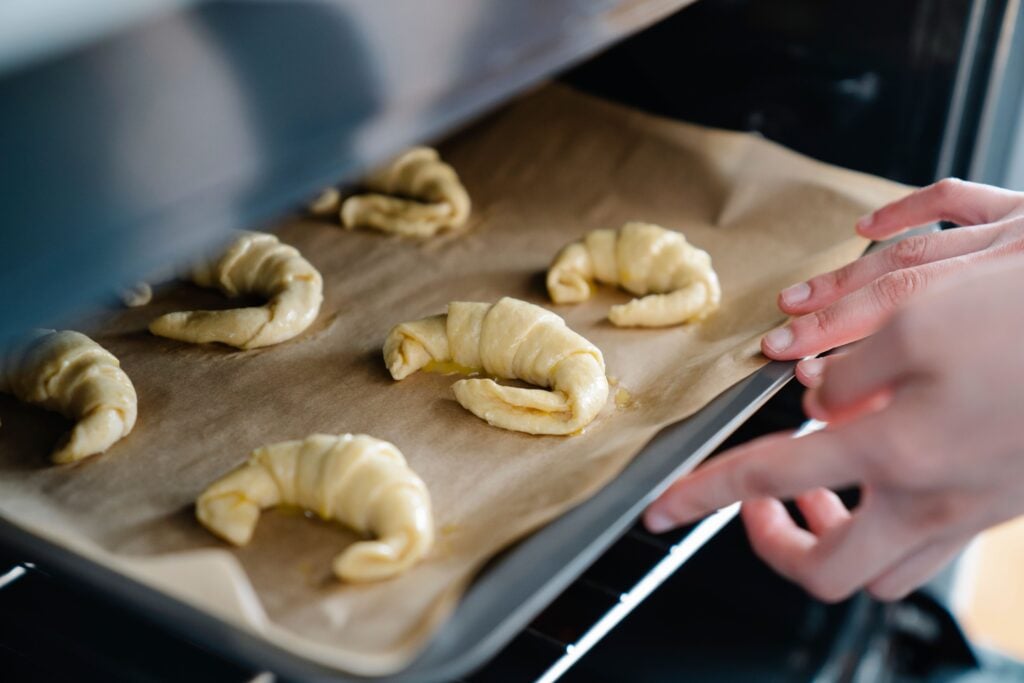
Baking sheets collect residue little by little. Oil, butter, sauces, and tiny bits of food can stick to the surface during cooking, and repeated trips through a hot oven can bake those leftovers onto the pan.
After months or years, those layers become harder and darker. A pan that once looked clean can end up with a brown or black coating that seems impossible to remove with regular dish soap.
Heavy grease can also make a pan harder to clean after each use. If food keeps sticking to the same areas, it can leave behind another layer of residue the next time you cook. Cleaning the buildup can give you a much easier surface to work with going forward.
Related: 12 everyday things people use in ways they weren’t intended to be used
Start With a Baking Soda and Hydrogen Peroxide Paste
Baking soda and hydrogen peroxide can make a useful cleaning paste for stubborn grease. Baking soda provides gentle scrubbing action, while the paste can sit on the dirty areas long enough to loosen some of the residue.
Mix baking soda with enough hydrogen peroxide to make a thick paste. Spread it over the stained areas of the baking sheet and let it sit for about 15 to 20 minutes. For heavier buildup, giving it more time can help soften the grime before you start scrubbing.
After the paste has had time to sit, use a non-abrasive sponge or scrub pad to work over the surface. Rinse the baking sheet well with warm water and dish soap, then check for any spots that still need attention. You may need to repeat the process for really old buildup rather than trying to remove everything in one round.
Related: 15 Clever Ways People Use Baking Soda That Have Nothing to Do With Baking
Try the Baking Soda and Vinegar Method
White vinegar and baking soda are another common combination for tackling greasy kitchen messes. Sprinkle a layer of baking soda over the dirty areas, then add white vinegar. The mixture will fizz as the two ingredients react, which can help loosen residue on the surface.
Let the mixture sit for a while before scrubbing. Once the fizzing has settled, use a non-abrasive sponge or scrub pad to work on the softened grease. Rinse the pan thoroughly with warm water and dish soap afterward.
This method can be useful for general grime and lighter buildup, but really old, hardened grease may take more than one treatment. If the first round doesn’t remove everything, repeat the process rather than reaching for an abrasive tool that could scratch the pan.
Related: Why Gardeners Are Putting Baking Soda on Their Tomatoes
Dish Soap Can Help Cut Through Stubborn Grease
For a baking sheet with a heavy layer of greasy residue, a mixture of baking soda and a small amount of Dawn dish soap can also help. Dawn is made to break down food oils, so it can be useful for the greasy film that regular soap sometimes leaves behind.
Mix baking soda with enough Dawn to make a spreadable paste. Apply it to the greasy areas and let it sit for several minutes before gently scrubbing with a non-abrasive sponge or pad. Rinse with warm water and check the pan once it’s clean.
You may need to repeat the process if the baking sheet has years of buildup. That’s still easier than trying to attack every stain at once with a dry scrub pad. Give the cleaner time to loosen the grease, work in small areas, and rinse the pan well before using it again.