Most lawns don’t suddenly go from thick and green to thin and patchy overnight. The decline usually happens slowly, sometimes over several months or even years. You might start noticing more bare spots, thinner grass, or weeds appearing in places that used to be covered with healthy turf.
What makes it tricky is that some lawn care habits can cause problems without you realizing it. Watering too often, cutting the grass too short, or adding fertilizer whenever the lawn looks a little tired may seem helpful, but these habits can sometimes put more stress on the grass.
If your yard isn’t looking as good as it used to, take a closer look at your regular lawn routine. A few small changes may help address some of the problems that have been building up.
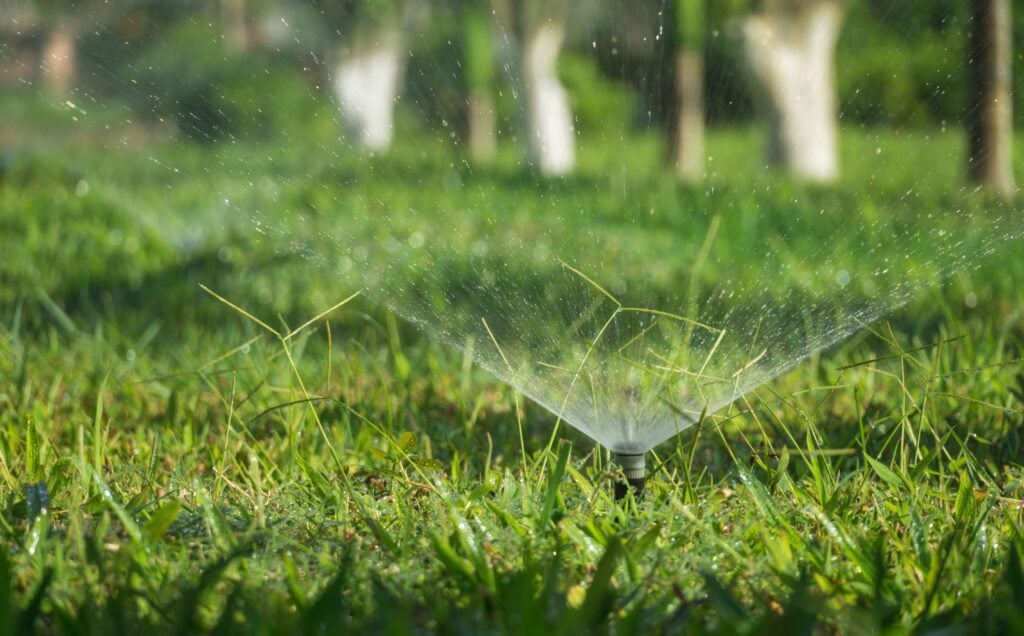
Overwatering the Lawn
Giving your lawn plenty of water sounds like a safe way to keep it green, but too much water can create its own set of problems. Frequent, shallow watering can encourage grass roots to stay close to the surface, leaving them more vulnerable when the soil dries out.
Too much moisture can also create conditions that encourage lawn diseases. In many cases, deeper watering spaced farther apart is a better option than giving the grass a little water every day. Keep an eye on rainfall, too, since your lawn may not need extra water after a good soaking.
Cutting Grass Too Short
A freshly mowed lawn can look neat, but cutting it too short can leave the grass struggling. Removing too much of the blade at once, sometimes called scalping, stresses the plant and can make it more vulnerable to weeds and drought.
The one-third rule is a useful guideline for mowing. Try not to remove more than one-third of the grass blade at a time. Leaving the grass a little taller also provides more shade for the soil and helps the ground retain moisture.
Fertilizing Without Testing the Soil
Adding fertilizer whenever your lawn looks thin may seem like an easy fix, but grass doesn’t always need more nutrients. Applying fertilizer without knowing what’s already in the soil can lead to unnecessary applications and may cause problems if certain nutrients are already present in high amounts.
A basic soil test can give you a better idea of what’s going on beneath the grass. It can show whether nutrients such as nitrogen, phosphorus, or potassium are lacking, giving you a clearer idea of what your lawn actually needs.
Spraying Without Identifying the Problem
It’s easy to grab a weed killer or pesticide as soon as something looks wrong in the lawn. The problem is that not every brown patch, bare area, or discolored blade is caused by weeds or insects.
Before spraying anything, look for clues about the actual problem. It could be a pest, disease, poor drainage, compacted soil, nutrient issue, or simply a watering problem. Treating the wrong issue can waste money and may cause additional damage to the lawn or nearby beneficial insects.
Walking on Wet Grass
A quick walk across wet grass probably won’t ruin your lawn, but repeated traffic while the ground can cause trouble. Wet soil is much easier to compact, and that can make it harder for air, water, and nutrients to move through the soil.
Compacted soil can also make it harder for grass roots to grow properly. Try to stay off the lawn when it’s especially wet, particularly if you’re pushing a mower or other heavy equipment across it.
Mowing the Same Direction Every Time
Mowing in the same direction every week can affect how the grass grows and can also put repeated pressure on the same areas of soil. Over time, the grass may begin leaning in the direction you regularly mow.
Changing your mowing pattern from time to time gives the grass a chance to stand more upright. It also keeps the mower from repeatedly traveling over exactly the same tracks, which can help reduce compaction.
Mowing When the Lawn Is Wet
Wet grass is harder to mow cleanly. The blades can bend under the mower instead of standing upright, and the mower may leave behind clumps of grass that can cover parts of the lawn.
Mowing wet grass can also make the soil more prone to compaction, especially if you have a heavy mower. Waiting for the grass to dry usually makes the job easier and leaves behind a cleaner cut.
Using Dull Mower Blades
Your mower blade doesn’t stay sharp forever. After repeated use, it can become dull and start tearing the grass instead of making a clean cut.
Torn grass tips can look ragged after mowing and may leave the lawn more vulnerable to stress and disease. Checking the blade regularly and sharpening it at least once during the mowing season can make a noticeable difference in the quality of the cut.
Ignoring Thatch Buildup
Thatch is a layer of dead grass, roots, and other organic material that sits between the soil and the living grass. A thin layer isn’t necessarily a problem, but a thick layer can interfere with water and nutrient uptake by the roots.
If water seems to run off rather than soak into the lawn, or the grass feels spongy underfoot, heavy thatch may be part of the problem. Dethatching can help in lawns where the layer has become excessive, but it isn’t something every lawn needs on a regular schedule.
Cutting Too Much at Once
Letting the grass grow very tall and then cutting most of it down in one session can put a lot of stress on the plants. You may also end up with large amounts of clippings covering the lawn.
If the grass has gotten out of hand, bring it down gradually instead of trying to reach your usual mowing height in one pass. A couple of lighter cuts spaced apart can be easier on the lawn.
Watering During the Hottest Part of the Day
Watering in the middle of a hot afternoon can mean much of the water evaporates before it has time to soak into the soil. This can lead you to use more water without giving the grass as much benefit.
Early morning is usually a better time to water because temperatures are cooler and there is more time for the moisture to reach the roots. Adjust your schedule based on local weather and rainfall so you’re not watering a lawn that already has plenty of moisture.
Related: Some of the Best Gardening Tips I Ever Got That Break All the Rules
Letting Clippings Pile Up
Grass clippings can actually be useful after mowing. When they’re short and spread evenly across the lawn, they can break down and return nutrients to the soil.
The problem starts when wet or long clippings form thick piles. Those clumps can block sunlight and air from reaching the grass underneath. If your mower leaves large piles behind, spread them out with a rake or collect them before they sit on the lawn.
Fertilizing During Extreme Weather
Fertilizer isn’t always helpful just because the grass looks stressed. Applying it during very hot or cold weather can put additional stress on the lawn, particularly if the grass isn’t actively growing.
Pay attention to the condition of your grass and local growing season before applying fertilizer. If the lawn is dormant because of extreme temperatures, it may be better to wait until growing conditions return.
Planting Grass Seed Too Deep
Grass seed needs contact with the soil and enough light to germinate. If you bury the seed too deeply, the young grass may have trouble reaching the surface.
After spreading seed, lightly rake it into the soil rather than covering it with a thick layer. Keeping the seed in contact with moist soil gives it a better chance of getting started.
Overseeding Without Preparing the Soil
Throwing grass seed over a bare patch may seem like the quickest solution, but seed can’t do much if it can’t make good contact with the soil. Thick thatch, dead grass, leaves, and compacted soil can all make germination more difficult.
Before overseeding, clear away debris and loosen the top layer of soil. Adding a small amount of compost can also provide the new grass with a better place to establish, depending on the soil’s condition.
Piling Mulch Against Tree Trunks
Mulch is useful around trees because it helps retain moisture and protect the soil. The trouble starts when it gets piled directly against the trunk, creating the familiar volcano-shaped mound around the tree.
Keep mulch a few inches away from the base of the trunk instead. A thinner layer spread around the tree can help the soil without keeping the bark constantly damp, which can contribute to rot and pest problems.
Other Topics You Might Like
- If a neighbor’s tree falls on your home in California, who is responsible?
- Need to Block a Neighbor’s View of Your Yard? Here’s How to Do It Without Starting a War
- If a fence falls between neighbors in California, who is responsible for repairs?
- If You Spot These Vintage Garden Peices at a Garage Sale, Grab Them Fast