Clutter rarely shows up all at once. It builds slowly, one item kept just in case, another tucked away because there wasn’t time to deal with it. Over time, those things start taking up space, making rooms feel heavier and harder to manage.
Letting go doesn’t have to be extreme or emotional. In many cases, it’s simply about removing items that no longer work, no longer get used, or no longer belong in your life as it is now. If you’re ready to clear some space, here are items that are usually safe and overdue to throw away.
Old Magazines
Old magazines tend to pile up quickly and rarely get revisited. The information is often outdated, and most content is easy to find online now. Recycling them clears both physical and visual clutter.
Broken or Unused Appliances
Appliances that don’t work or ones you never use take up valuable storage space. If repairs haven’t happened by now, they’re likely not going to. Letting them go creates room for things you actually use.
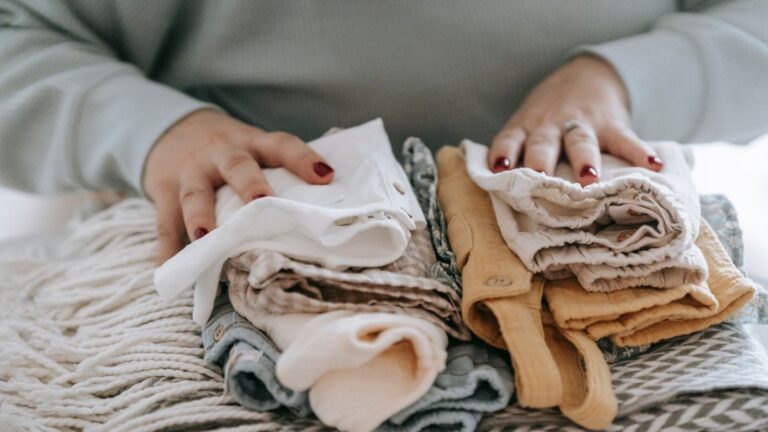
Clothes You Haven’t Worn in a Year
If an item hasn’t left the closet in over a year, chances are it won’t. Keeping clothes “just in case” makes it harder to see and wear what you already love. Donate or sell what no longer fits your life.
Extra Cookware
Duplicate pans, lids without matches, or specialty tools you never use can make kitchens feel chaotic. Keeping only what you rely on regularly makes cooking simpler and storage easier.
Expired Food
Old food takes up space and can pose health risks. Regularly clearing out expired pantry and fridge items makes your kitchen safer and easier to navigate.
Books You’re Not Going to Read
Unread books can quietly create guilt. If you’ve owned a book for years and haven’t opened it, passing it along lets someone else enjoy it while freeing up shelf space.
Say What? People are Freezing their thrifted books
Dried-Out Pens and Markers
Non-working writing tools serve no purpose. Keeping only functional pens and markers reduces drawer clutter and daily frustration.
Duplicate Tools
Multiple versions of the same tool add more confusion than convenience. Keeping the best-quality or most-used version is usually enough.
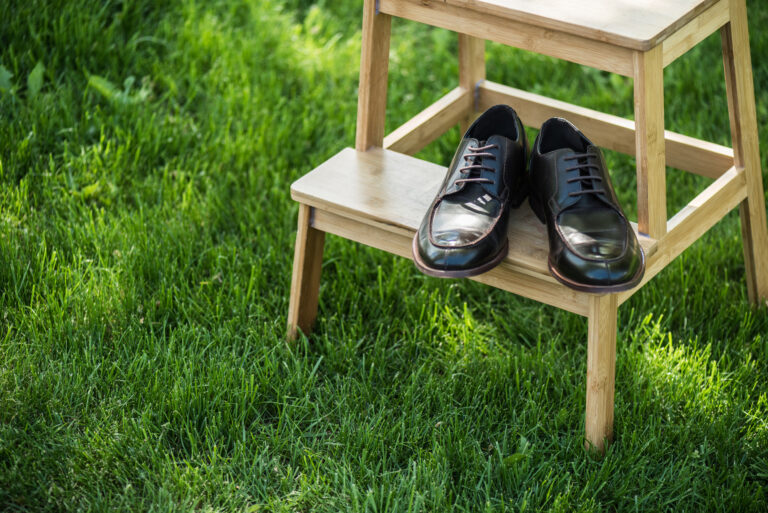
Worn-Out Shoes
Uncomfortable, damaged, or rarely worn shoes take up more space than most items. Letting them go makes closets easier to manage.
Old Technology and Cords
Outdated phones, chargers, and mystery cords tend to linger. If you no longer own the device they belong to, recycle them responsibly.
Expired or Unused Medications
Keeping old medication is unsafe and unnecessary. Dispose of them properly and keep your medicine cabinet clear and up to date.
Outdated Beauty Products
Makeup and skincare products expire, even if they look fine. Old products clutter cabinets and can cause irritation—tossing them makes daily routines easier.
Excess Hangers
Extra hangers often tangle and take up too much closet space. Keeping only what you need helps maintain order.
Broken or Unused Jewelry
Jewelry that’s broken or hasn’t been worn in years tends to sit untouched. Letting it go simplifies storage and makes favorite pieces easier to find.
Old Receipts and Paperwork
Most receipts and documents don’t need to be kept long-term. Shred or recycle what’s no longer relevant, and digitize important papers if needed.
Extra Linens
Too many towels or sheet sets can overcrowd closets. Keeping only what your household actually uses creates space and reduces laundry confusion.
Unused Exercise Equipment
Workout gear that hasn’t been used in months often becomes visual clutter. Selling or donating it frees space and removes unnecessary guilt.
Broken or Outdated Décor
Decor that’s damaged or no longer fits your style adds visual noise. Clearing it out helps your home feel more intentional.
Excess Office Supplies
Too many pens, notebooks, or desk accessories can overwhelm workspaces. Keeping a small, functional set improves focus and organization.
Furniture You Don’t Use
Furniture that collects clothes instead of serving its purpose takes up valuable room. Removing unnecessary pieces improves flow and makes spaces feel larger.