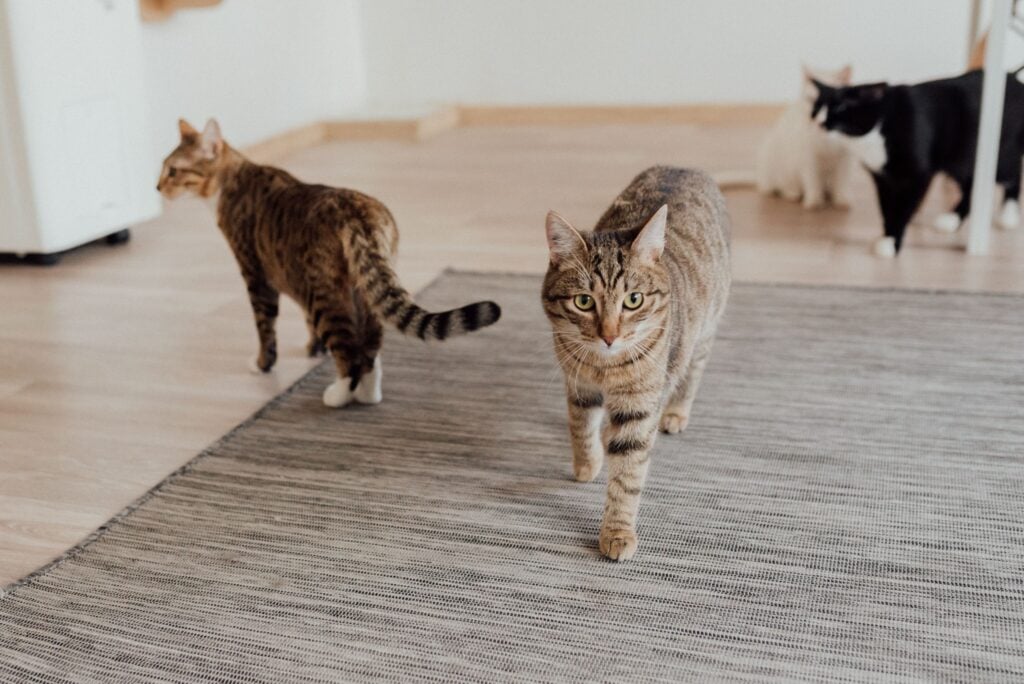
Stray cats can be a frustrating problem for homeowners. Seeing a cat wander through the yard once in a while probably isn’t a big deal. But when flower beds are constantly dug up, patio furniture becomes a regular sleeping spot, or your garden starts doubling as a litter box, it gets old pretty quickly.
Most stray and feral cats aren’t trying to cause trouble. They’re looking for somewhere quiet and safe to eat, rest, and hide. If your yard has plenty of shade, soft soil, or a comfortable place to nap, there’s a good chance they’ll keep coming back.
You don’t have to hurt them or make your yard feel unwelcoming to every animal that passes through. A few simple changes can make certain areas less attractive to cats while keeping them safe.
Here are 10 gentle ways to discourage stray and neighborhood cats from hanging around your yard.
1. Plant Natural Deterrents
Some plants have scents that cats tend to avoid. Rosemary and rue are two examples that are often used around gardens for this reason.
They aren’t a guaranteed fix, but planting them along garden borders or near spots where cats frequently enter may help. Just check that any plants you choose are safe around pets and suitable for your local growing conditions.
Related: 10 Gentle and Humane Ways to Keep Stray Cats From Roaming Your Yard
2. Use Citrus and Coffee Grounds Carefully
Cats tend to dislike strong citrus smells, so citrus peels can be placed around garden beds or near areas where cats frequently enter. You’ll need to replace them as they dry out and lose their scent.
Used coffee grounds can also make certain areas less appealing. Sprinkle a small amount around problem spots instead of creating large piles. Keep in mind that coffee grounds shouldn’t be left where pets or other animals could eat a concentrated amount.
3. Install Motion-Activated Sprinklers
A quick spray of water can be enough to make a cat think twice about visiting the same spot. Motion-activated sprinklers detect movement and send out a short burst of water without harming the animal.
After getting sprayed a few times, a cat may start choosing a different route through the neighborhood. These sprinklers can also help keep other unwanted visitors away from garden beds.
Related: 14 Places That Will Happily Take Your Pet’s Unused Supplies
4. Try Ultrasonic Deterrent Devices
Ultrasonic deterrents produce high-frequency sounds that people usually can’t hear. Some are marketed to discourage cats and other animals from entering a particular area.
Results can vary from one animal to another, so don’t expect every cat to leave after one installation. Placing a device near a common entry point or favorite resting area may give you better results than putting one somewhere random in the yard.
5. Remove Food and Water Sources
If your yard has an easy source of food, cats have a reason to keep coming back. Keep garbage cans securely closed, clean up spilled birdseed, and avoid leaving pet food outdoors.
If you feed your own pets outside, bring their bowls in once they’re finished eating. Removing easy food sources won’t always stop visits, but it can make your property less attractive as a regular hangout.
6. Cover Sandboxes and Loose Soil
Cats love soft soil because it’s easy to dig. That’s one reason freshly planted garden beds can quickly become a favorite bathroom spot.
Keep children’s sandboxes covered when they’re not being used. For garden beds, try adding mulch, larger decorative stones, pinecones, or dense ground cover. These options make digging harder while still keeping the garden looking nice.
Related: Neighbor Fence Problems: Who Pays for Repairs Under California Law?
7. Use Subtle Physical Barriers
A small physical barrier can make a big difference in areas where cats have a favorite route into the yard. Lightweight fencing, garden netting, and low decorative borders can block easy paths without making your yard look like a fortress.
For flower beds, garden netting can also be placed close to the soil surface to discourage digging. As the plants grow, the netting can become less noticeable.
8. Protect Outdoor Furniture
A shaded patio chair with a soft cushion can look like the perfect cat bed. If neighborhood cats have claimed your outdoor furniture, remove the cushions when you’re finished using them or cover them with fitted outdoor covers.
You can also block access to particularly inviting spots when they’re not in use. The goal is to give cats fewer comfortable places to settle in for the afternoon.
Related: Outdoor Living Space Ideas on a Budget
9. Support Local Trap-Neuter-Return Programs
If you’re dealing with several stray or feral cats, the problem may be bigger than one yard. Local animal shelters, rescue groups, and community organizations may offer or know about trap-neuter-return programs.
These programs involve humanely trapping cats, having them spayed or neutered, and returning them to their area. Over time, this can help prevent the local population from growing and can reduce some of the problems that come with large groups of unaltered cats.
10. Set Clear, Neighbor-Friendly Boundaries
Sometimes the cat belongs to a neighbor and simply spends a lot of time outside. If that’s the case, a friendly conversation may be all it takes to find a solution.
If talking to the owner isn’t enough, physical changes to your property can help. Fence extensions, angled fence toppers, or other cat-resistant barriers can make it harder for cats to enter certain areas.
You don’t have to turn the situation into a neighborhood dispute. A few practical changes can give you back your garden and patio while still allowing the cats to safely go about their business elsewhere.