Hardwood floors can last for many years, but the way you clean them can affect how they look and hold up over time. Some common household cleaners and cleaning tools can leave residue, scratch the finish, or let moisture damage the wood.
Here are eight things to avoid the next time you clean your hardwood floors.
Too Much Water
Hardwood floors don’t do well with standing water or excessive moisture. Water that seeps between the boards can cause swelling, cupping, stains, and other damage.
Skip the soaking-wet mop and use as little water as possible. A microfiber mop that’s been thoroughly wrung out can pick up dirt without leaving the floor wet.
Traditional String Mops
String mops tend to hold a lot of water, making it difficult to control how much moisture gets onto your hardwood floors. They can also leave dirty water behind instead of picking up all the dust and grime.
A flat microfiber mop is a better option for most finished wood floors. It gives you more control over moisture and is gentle on the surface.
Bleach and Ammonia Cleaners
Bleach and ammonia may work on certain household surfaces, but they can be too harsh for hardwood finishes. Depending on the product and floor coating, they may cause discoloration, dull spots, or damage to the finish.
Use a cleaner approved for your type of hardwood instead. If you’re unsure which finish is on your floors, check the manufacturer’s care instructions before trying a new product.
Oil Soaps and Wax-Based Cleaners
Some oil soaps and wax-based products leave a coating behind after cleaning. With repeated use, that residue can build up and make hardwood floors look cloudy, greasy, or dull.
The buildup may also cause problems if you decide to refinish or recoat the floors later. Unless the manufacturer recommends these products for your flooring, stick with a hardwood cleaner that won’t leave a film.
Related: Grandma’s Best Kept Cleaning Tips That Put Today’s Cleaning Routines to Shame
Vinegar and Other Acidic Cleaners
Vinegar is a common ingredient in homemade cleaning mixtures, but it isn’t a good choice for every surface. Its acidity may wear down certain hardwood finishes, particularly with frequent use or overly concentrated mixtures.
A natural ingredient isn’t automatically safe for wood flooring. Choose a cleaner made for finished hardwood rather than using vinegar as an all-purpose floor solution.
Abrasive Scrubbers
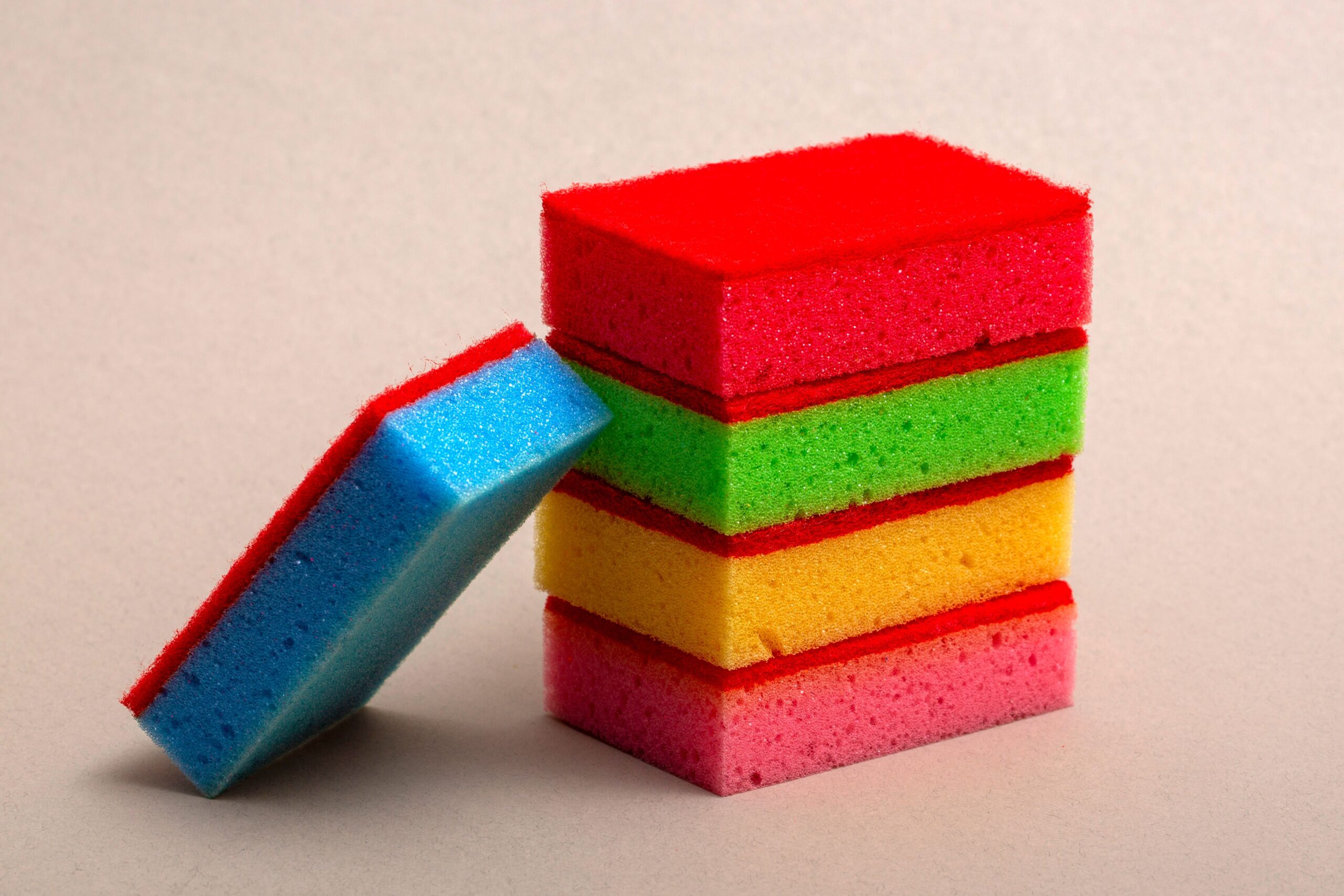
A stubborn mark on the floor might tempt you to reach for a rough sponge or stiff brush, but these tools can scratch the finish. Steel wool, scouring pads, and other abrasive materials may leave damage that’s harder to fix than the original spot.
Try a soft microfiber cloth and a hardwood-safe cleaner first. Give the mark a little time to loosen instead of scrubbing aggressively.
Steam Cleaners
Steam mops are convenient for some flooring types, but they can be risky on hardwood. The combination of heat and moisture may seep into the seams or beneath the finish, leading to swelling, warping, or other damage.
A lightly damp mop is a safer choice for most hardwood floors. Only use a steam cleaner if your flooring manufacturer specifically approves it for your floor type and finish.