The early 2000s felt iconic. The outfits were bold, the celebrity culture was chaotic, and the beauty standards were everywhere. We copied what we saw in magazines, on red carpets, and on Myspace profiles without questioning much of it. But looking back, a lot of what we once called “cool” or “aspirational” was actually unhealthy, exclusionary, or just plain embarrassing.
From damaging body standards to over-the-top fashion and toxic online culture, here are 14 trends we once embraced that now make us collectively cringe.
Juicy Couture Mania
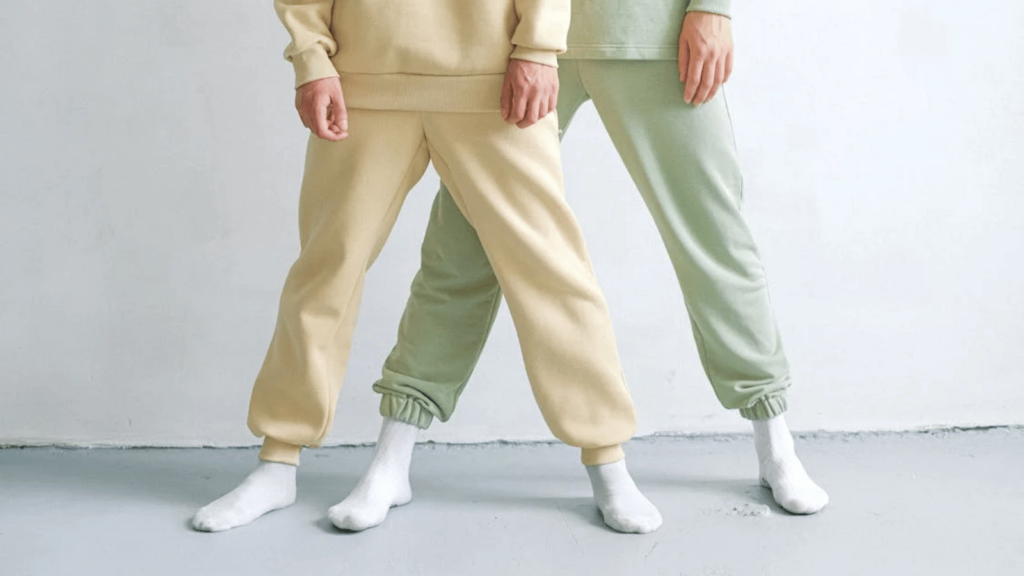
It wasn’t just about tracksuits; it was about the logo. Carrying Juicy bags or wearing bedazzled sets became a social signal of status. The obsession reinforced a culture where brand visibility equaled worth.
Now, it reads less as luxury and more as logo overload.
Low-Rise Jeans
Low-rise jeans weren’t just a fashion choice; they were a body requirement. Popularized by celebrities like Britney Spears and Paris Hilton, they sat so low on the hips that only the tiniest waists and flattest stomachs felt “acceptable” in them. For many young women, this trend amplified insecurities and reinforced the message that only one body type was worthy of style.
Today, with high-rise and mid-rise fits dominating, we can finally admit: the pressure that came with low-rise jeans was exhausting.
Over-Plucked Eyebrows
Ultra-thin eyebrows were the goal, and many of us tweezed relentlessly to achieve that pencil-line look. The problem? Over-plucking often led to long-term thinning that took years to recover from if it ever did.
Full, natural brows are celebrated now, and it’s hard not to cringe at how many of us permanently altered our faces chasing a trend.
Fad Diets
The Atkins Diet. The South Beach Diet. Cabbage soup cleanses. The early 2000s were flooded with extreme, restrictive eating plans marketed as quick fixes. These diets often neglected balanced nutrition and contributed to disordered eating.
Looking back, the obsession with cutting entire food groups feels less like wellness and more like a widespread diet culture spiral.
Velour Tracksuits
Juicy Couture velour tracksuits were the ultimate status symbol. Rhinestones, oversized logos, and matching sets screamed “celebrity off-duty.” While they seemed glamorous at the time, they also fueled a hyper-branded, logo-heavy era focused on exclusivity and appearance.
Now, they feel more nostalgic than chic and undeniably over-the-top.
Frosted Tips
Frosted tips were everywhere thanks to boy bands and early-2000s heartthrobs. Bleached ends became synonymous with peak “cool guy” style, even though the look was high-maintenance and damaging to hair.
It’s one of those trends that instantly timestamps a photo.
Extreme Tanning
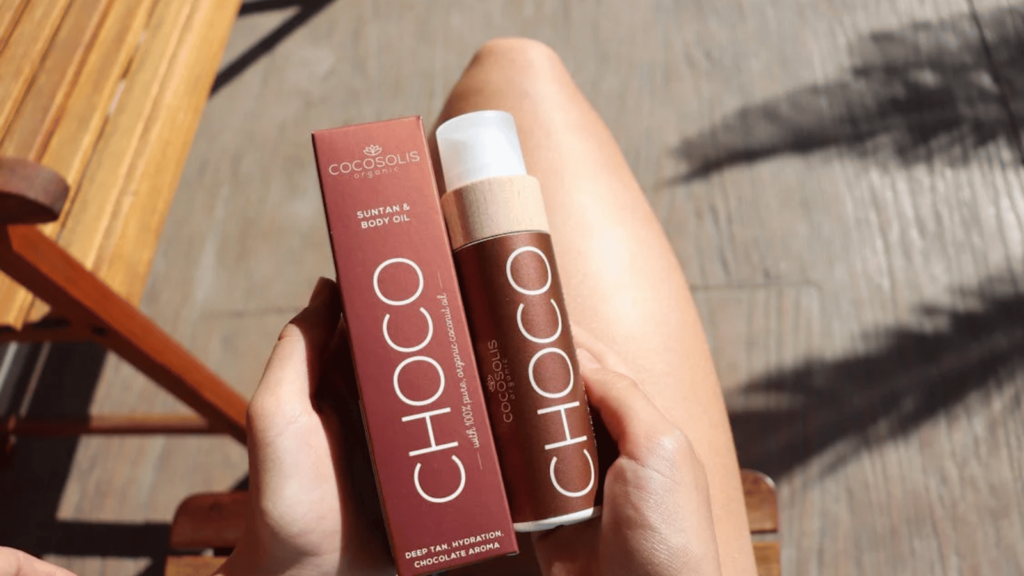
Deep, bronze tans were considered the standard of beauty. Tanning beds were packed, and SPF was often an afterthought. The cultural obsession with darker skin tones without acknowledging the serious health risks led to long-term skin damage for many.
Now that we understand the risks of UV exposure, it’s easier to see how dangerous this trend really was.
Trucker Hats as Status Symbols
Once worn for practical use, trucker hats became high-fashion accessories. Celebrity endorsements turned them into must-have items, often worn ironically or for clout.
The exaggerated branding and “I’m too cool to care” energy feels dated and slightly try-hard in hindsight.
Ultra-Low Cut Tops
Fashion in the 2000s often leaned heavily into hyper-sexualized clothing for women, especially teens and young adults. Ultra-low cut tops became normalized, and many felt pressure to dress provocatively just to fit in.
Today’s conversations about body autonomy and choice highlight the extent of the silent pressure back then.
Popped Collars
Nothing says 2006 quite like a double-popped polo collar. What was once considered preppy and elite now feels performative and rigid, a trend built more on signaling social status than authentic style.
Scene Kid Culture
Heavy eyeliner, teased hair, neon streaks, scene culture was loud and expressive. But beneath the aesthetic, many teens felt intense pressure to fit into a hyper-specific identity for social acceptance.
It blurred the line between self-expression and conformity.
Toxic Celebrity Gossip
Tabloids thrived on shaming celebrities for weight gain, breakdowns, and personal struggles. Young stars were mocked relentlessly for normal human experiences. The culture of public humiliation was framed as entertainment.
Looking back, the lack of empathy is hard to ignore.
Excessive Body Glitter
From glitter lotion to glitter hairspray, everything sparkled and shed everywhere. While fun at the time, we now know that much of that glitter was microplastic, contributing to environmental waste.
Myspace Top 8 Drama
Publicly ranking your friends? What could go wrong? The Myspace Top 8 feature created endless social tension and insecurity, turning friendship into a visible competition. It was social pressure built right into the platform.