The kitchen may be the heart of the home, but it’s also where little problems can pile up. Brown sugar turns into a brick, coffee tastes too bitter, eggs refuse to peel cleanly, and somehow the fridge starts smelling like everything that has ever been stored in it.
Grandma usually had a simple fix for these everyday kitchen problems. She didn’t need a drawer full of special gadgets or expensive products. A wooden spoon, some baking soda, vinegar, salt, and a few other basic kitchen staples could solve quite a lot.
Some of those old tricks are still useful today. Here are a few worth keeping around.
Soften Hard Brown Sugar the Easy Way
Grandma never threw out hardened brown sugar. She’d put a slice of bread in the container, close it tightly, and let it sit.
The moisture from the bread slowly moves into the sugar and helps soften it again. It may take a little time, but it’s a lot better than throwing away a perfectly good bag of brown sugar.
Related: Classic Kitchen Advice From Grandma That Still Applies Today
Prevent Boil-Overs With a Wooden Spoon
A wooden spoon across the top of a pot can help keep boiling water from bubbling over the sides.
It isn’t foolproof, especially with a very full pot, but it can slow down the foam and give you a little more time to lower the heat before your stovetop becomes a mess.
Remove Garlic and Onion Odors Naturally
Garlic and onions can leave a smell on your hands long after dinner is finished.
Grandma had plenty of ways to deal with it. Rubbing your hands with fresh parsley can help, while a paste made from baking soda and salt can work as a gentle scrub. Coffee grounds can also help with stubborn smells. You can find more ideas for using coffee grounds around the house here.
Fix Bitter Coffee
If a pot of coffee tastes too bitter, Grandma might reach for the salt shaker instead of making another batch.
A tiny pinch of salt can reduce some of the bitterness and make the coffee taste smoother. You don’t need much. Too much salt will just give you another problem to deal with.
Related: 11 Everyday Tasks Grandma Handled That Most People Skip Today
Peel Boiled Eggs Without a Struggle
Hard-boiled eggs can be surprisingly annoying to peel, especially when pieces of the white come away with the shell.
Adding a little baking soda to the cooking water was one old trick for making the shells easier to remove. Egg freshness and cooking method also make a difference, but this is an easy one to try.
Chop Onions Without the Tears
Grandma knew that chilling onions before cutting them could make the job easier on your eyes.
The cold can slow the release of some of the compounds that cause your eyes to water. Some people also swear by chewing gum while chopping because it encourages you to breathe through your mouth.
A sharp knife helps too. The less you crush the onion, the fewer irritating compounds you release.
Test Oil Without a Thermometer
Before kitchen thermometers became common, a wooden spoon was an easy way to get a rough idea of whether oil was hot enough for frying.
Dip the end of the spoon into the oil. If small bubbles form around the wood, the oil is generally hot enough to start cooking.
It isn’t as precise as a thermometer, so use extra care with hot oil.
Related: 8 Household Tasks Grandma Did Without Thinking That Feel Hard Today
Check if Eggs Are Fresh
Grandma didn’t need a complicated test to check an egg. A bowl of water was enough.
Place the egg in the water. A fresh egg should sink and lie flat. An older egg may stand upright or float as the air pocket inside gets larger.
A floating egg doesn’t tell you exactly how old it is, though, so check for cracks, strange smells, or other signs of spoilage before using it.
Use Vinegar for Sparkling Glass
Vinegar has been a kitchen cleaning staple for generations.
A vinegar-and-water solution can help remove mineral deposits and streaks from glassware. A little vinegar can also be useful in the dishwasher, depending on the appliance and what you’re cleaning.
For stubborn hard water spots, letting the vinegar sit for a few minutes before wiping can help loosen the buildup.
Save Bacon Grease
Grandma wasn’t about to pour useful cooking fat down the drain.
She’d strain leftover bacon grease into a jar and save it for another meal. A spoonful can add plenty of flavor to eggs, potatoes, vegetables, beans, and other savory dishes.
It’s also a good example of an old kitchen habit that saves money because one cooking ingredient gets used more than once.
Keep Salads Crisp
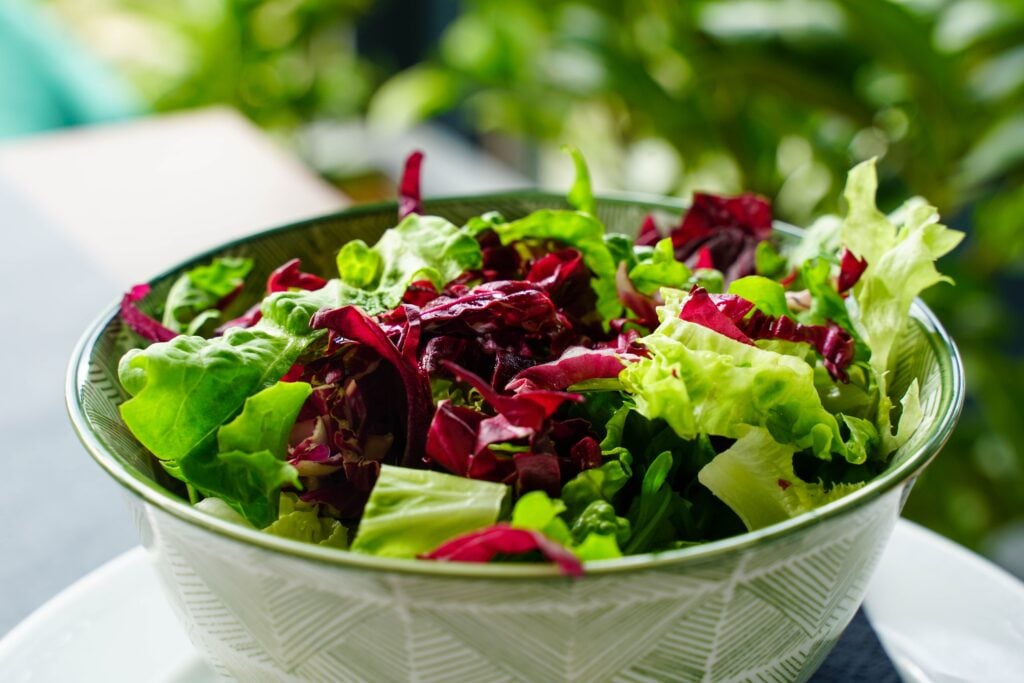
Nobody likes opening the fridge to find a bowl of wilted salad.
One old trick is to place a slightly damp paper towel over the greens before covering the bowl. The towel can help manage excess moisture and keep the leaves from becoming soggy.
If the towel becomes very wet, replace it with a fresh one.
Dredge Before Frying
Grandma knew that a little flour could make fried food much better.
Coating meat or vegetables in flour before frying gives the surface something to brown and crisp up. Depending on the recipe, you can also season the flour or use it as the first step before dipping food into egg and breadcrumbs.
Tenderize Tough Cuts of Meat
A tougher cut of meat doesn’t have to end up chewy.
An overnight marinade made with an acidic ingredient such as vinegar, along with broth and seasonings, can help improve the texture and add flavor. It’s an old-fashioned way to get more out of less expensive cuts of meat.
Just don’t leave meat in a highly acidic marinade for too long, since the outside can become mushy.
Clean Cast Iron With Salt
Instead of reaching for a bottle of dish soap, Grandma might have used coarse salt to clean her cast iron skillet.
Sprinkle some salt into the pan and use a cloth or paper towel to scrub away stuck-on food. Then wipe the skillet clean, dry it well, and give it a light coating of cooking oil if needed.
For more cast iron care tips, check out Everyone Loves Their Cast Iron Skillets, But No One Agrees on the Right Way to Care for Them.
Deodorize the Fridge With Baking Soda
A box or small dish of baking soda in the refrigerator has been a common household trick for years.
Baking soda can help absorb some unwanted odors, which is handy when your fridge starts smelling like yesterday’s leftovers. Replace it from time to time rather than leaving the same box in there indefinitely.
Parboil Potatoes for Better Texture
If you want roasted potatoes with crispy edges and a soft center, try boiling them briefly before putting them in the oven.
Parboiling gives the potatoes a head start, so the inside cooks through while the outside gets a chance to brown. Drain them well before roasting and give them enough room on the pan so they can crisp instead of steaming.
Preserve What You Grow
For Grandma, canning and preserving weren’t hobbies reserved for a special season. They were ways to make sure a good harvest didn’t go to waste.
Fruits, tomatoes, pickles, jams, and vegetables could be preserved and enjoyed months after they were picked. If you’re interested in home canning, use tested recipes and proper canning methods since safe processing times and temperatures matter.