The Goodwill Outlet, better known as “the bins,” can be a gold mine for thrift shoppers. People regularly find vintage clothes, name-brand shoes, collectibles, books, and plenty of other useful things for just a few dollars.
But those big blue bins can also be full of items that aren’t worth the trouble. Something might look cheap at first, only to come with damage, missing parts, safety concerns, or a cleaning job you never wanted.
If you’re planning a trip to the bins, here are some things experienced shoppers often leave behind.
Old Baby Gear
Car seats, cribs, high chairs, baby swings, and strollers can seem like a great way to save money, but used baby gear comes with questions that aren’t always easy to answer.
Safety standards change, recalls happen, and you may not know how an item was used before it reached the bins. A car seat, for example, could have been involved in an accident or stored in poor conditions without any visible signs.
Related: Do Goodwill Employees Get First Dibs on the Best Donations? Here’s What Goodwill Says
Electronics That Can’t Be Tested
Finding a laptop, gaming console, coffee maker, or other electronic item can be exciting. The problem starts when you can’t test it.
If the outlet doesn’t have a place to plug something in, you won’t know whether it works until you get home. A device that looks perfectly fine could have a dead battery, broken screen, faulty buttons, or an internal problem that isn’t obvious from the outside.
Shoes With Excessive Wear
Good shoes can be some of the best finds at the bins, especially if you come across a quality brand. But there’s a big difference between a gently used pair and one that’s already been worn down.
Check the soles, insoles, stitching, and areas around the heel. Cracks, separated soles, worn tread, damaged lining, and signs of mold are good reasons to keep looking. If the shoes are already falling apart in your hands, they’re probably not worth bringing home.
Related: 14 Things You Should Never Do at a Goodwill
Mattresses, Pillows, and Bedding
Used mattresses and pillows are easy to skip, and many thrift shoppers do.
Soft items can hold odors, allergens, moisture, mold, or unwanted pests. Bedding can usually be washed, but mattresses and pillows are much harder to clean properly.
Water-Damaged Books
Books are popular at Goodwill Outlets, and the bins can be a great place to find older titles for very little money.
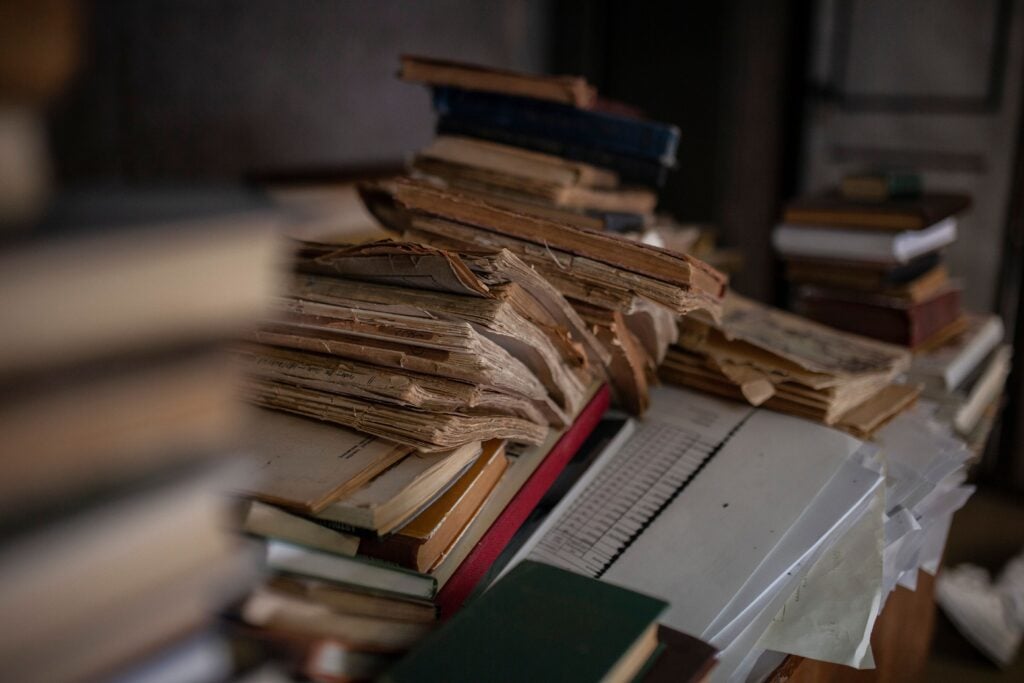
Still, take a close look before putting one in your cart. Water stains, warped pages, mildew, and a strong musty smell can point to moisture damage. A book that has been exposed to mold can also become a problem for the other books stored in your home.
If the pages are badly warped or the book smells like a damp basement, leave it behind.
Related: 6 Books Thrift Stores Are Always Hoping You’ll Donate
Chipped or Cracked Dishes
A vintage plate or pretty serving dish can be tempting, especially if the price is based on weight. Take a closer look before buying it.
Cracks and chips can make dishes more likely to break during use. They can also make surfaces harder to clean.
A tiny bit of wear may be fine for a decorative piece, but damaged dishes intended for food use are usually better left in the bin.
Opened Beauty and Personal Care Products
Used makeup, skincare products, lotions, and other personal care items are usually an easy pass.
You don’t know how old the product is, who used it, or how it was stored. The container may also have been opened or contaminated before it reached the store.
Since these products are applied directly to your skin, saving a couple of dollars isn’t worth the uncertainty.
Outdated Media Formats
VHS tapes, blank DVDs, damaged CDs, and older media formats can be tempting if you’re feeling nostalgic. For most shoppers, though, they’re unlikely to be useful.
There are exceptions. Collectors, resellers, and people with older equipment may have a reason to pick them up. A rare recording, unusual release, or hard-to-find title could be worth grabbing.
If you don’t have a specific reason for buying it, though, it’s probably best to leave it behind.
Related: What Goodwill Does With the Money From Your Donations and Purchases
Anything With Strong Odors
Give anything you buy from the bins a quick sniff before putting it in your cart.
Heavy cigarette smoke, mildew, pet odors, and chemical smells can be surprisingly hard to get rid of. Some odors may fade after washing or airing something out, but there’s no guarantee.
If an item smells strongly enough that you notice it right away, ask yourself whether it’s worth the work of trying to get that smell out.
Rusty Tools
Tools can be fantastic thrift finds, but severe rust is a different story.
Check for missing pieces, damaged handles, badly corroded metal, frayed cords, and other signs of heavy wear. Surface rust on an otherwise solid hand tool may be manageable, but deep corrosion can be a different problem.
If you’re unsure whether a tool is still safe to use, skip it and keep looking. The bins usually have plenty of other options.
Damaged Luggage
Suitcases and travel bags show up at Goodwill Outlets pretty often. Before grabbing one, test everything you can.
Check the wheels, zippers, handles, seams, and frame. A suitcase may look fine until you try to roll it or pull out the handle.
Replacing a broken wheel or zipper can cost more than the bag itself, so a few minutes of checking can save you from an annoying purchase.
Incomplete Board Games and Puzzles
A board game for a couple of dollars sounds like an easy win until you get home and discover half the pieces are missing.
Unless the box is sealed, check the contents before buying if the outlet allows it. Missing cards, game pieces, dice, or puzzle pieces can make the item useless.
Furniture With Signs of Pests
Small tables, chairs, cabinets, and other furniture can turn up in the bins. Inspect them closely before taking anything home.
Look for insects, small holes, droppings, eggs, shed skins, or other signs that pests may have been living in the piece. Pay close attention to seams, cracks, drawers, and the underside.
If you spot signs of bed bugs, termites, or other pests, leave the furniture behind. A cheap piece of furniture isn’t worth bringing an infestation into your home.
Heavily Stained Upholstered Items
Fabric chairs, cushions, ottomans, and other upholstered pieces can be harder to judge than solid furniture.
A surface stain might come out, but it could also signal more serious damage, moisture, mold, or a lingering odor. You may not know what caused the stain, either.
If the fabric is heavily stained, smells bad, or feels damp, there are plenty of other things in the bins worth checking out.
Related: Goodwill Is Getting Better at Spotting Valuable Donations Before Resellers Can Find Them
Anything You Can’t Identify
One of the easiest ways to waste money at the bins is to buy something just because it’s cheap.
Maybe you find a strange gadget, an unfamiliar tool, or a small electronic device and think, “I have no idea what this is, but it’s only a dollar.”
That’s how clutter starts.
If you don’t know what an item does, whether it’s complete, or whether you’ll actually use it, leave it there. The best bin finds are the ones you can recognize as useful or valuable before you pay for them.