A good yard sale isn’t about putting every unwanted item on the driveway and hoping someone buys it. A little planning, fair pricing, and an easy-to-shop setup can help you sell more and bring less stuff back inside.
If your main goal is to clear out clutter and make some extra cash, the way you set up the sale matters. These simple tips can help shoppers find what they want and make buying easier.
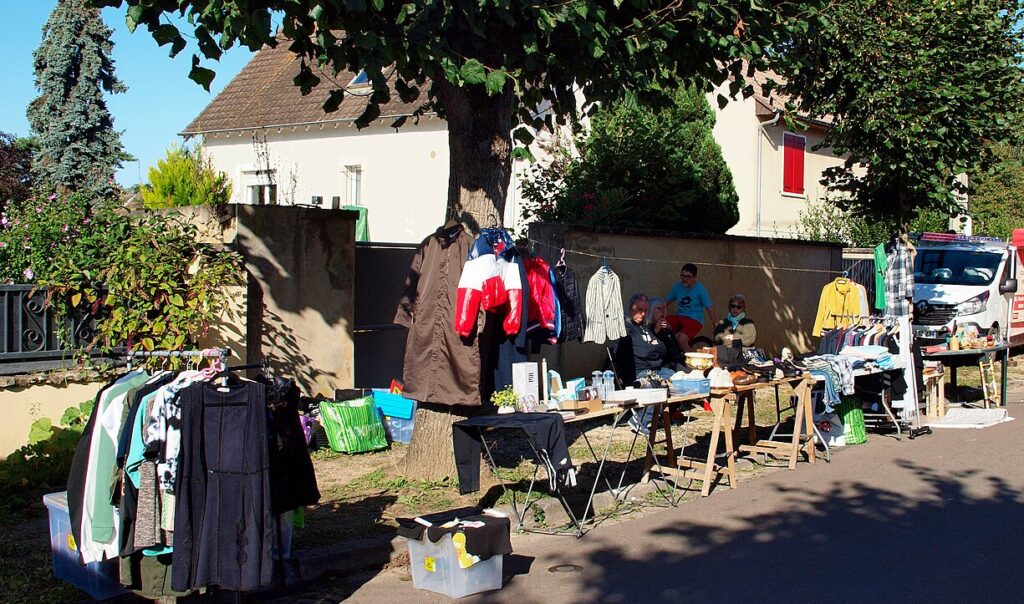
Choose the Right Location
A busy, easy-to-find location can bring more people past your sale throughout the day. If your street is quiet, consider joining forces with friends or neighbors for a multi-family sale.
Related: Stop Wasting Yard Sale Space on These 11 Items
Advertise Early and Often
Post your sale on Facebook Marketplace, local community groups, neighborhood apps, Craigslist, and other places where people look for weekend sales. Include the date, time, general location, and a few photos of your better items.
Use Large, Easy-to-Read Signs
Make your signs large enough for drivers to read quickly from the road. Use simple directions and clear arrows at nearby intersections so shoppers can find you without guessing.
Price Items to Sell
Most yard sale shoppers expect low prices, so avoid pricing used items close to what they cost new. Fair prices can help items move faster and leave less room for long negotiations.
Related: 10 Unwritten Rules of Thrift Store Shopping Everyone Should Know
Label Everything Clearly
Put a visible price on every item so shoppers don’t have to ask about every little thing. Clear labels also let you help several customers at once instead of stopping to answer the same question repeatedly.
Put Your Best Items Front and Center
Place attractive furniture, tools, bicycles, collectibles, and electronics where people can see them from the street. A few interesting items can give passing drivers a reason to stop and look around.
Skip Broken or Worn-Out Items
Stained clothing, damaged furniture, and incomplete items can take up space without attracting many buyers. Donate, recycle, or discard things that are clearly past their useful life before the sale begins.
Related: Donating Your Clutter? Here’s What Thrift Stores Want You to Know
Organize Like a Store
Group similar items together so shoppers can quickly find clothing, toys, books, kitchen items, and home décor. A clean setup makes the sale easier to browse and gives buyers more reason to stick around.
Have Plenty of Change
Keep plenty of small bills and coins on hand for shoppers paying with cash. A cash box or small money pouch can help keep everything together while you’re busy making sales.
Offer Digital Payment Options
Some shoppers arrive without cash, so accepting Venmo, Cash App, PayPal, or Zelle can give you another way to close a sale. Post your accepted payment options clearly and confirm that a payment has gone through before handing over the item.
Schedule Your Sale Strategically
Friday and Saturday mornings can bring plenty of shoppers, especially people who like to get to sales early. Start at the advertised time and have everything ready before the first cars begin arriving.
Know What Sells Best
Clothing, children’s items, tools, kitchen gadgets, home décor, small furniture, electronics, shoes, and video games can draw plenty of interest. Put these categories in easy-to-see spots so shoppers notice them as soon as they arrive.
Bundle Low-Priced Items
Group inexpensive items into deals such as “Fill a Bag for $5” or “Three Books for $2.” Bundles can help clear out small items while encouraging shoppers to buy more in one transaction.
Keep the Sale Clean and Welcoming
Straighten tables throughout the day and remove empty boxes or trash as they build up. Keep walkways open so shoppers can move around without bumping into piles or having to squeeze between tables.
Have a Plan for Leftovers
Decide before the sale whether unsold items will be donated, recycled, discarded, or listed online. Sorting everything at the end of the day keeps you from putting the same clutter right back into the garage.