When people start cleaning out closets, garages, and spare rooms, the local thrift store often feels like the easiest next stop. Donating can be a great way to pass along things you no longer need, but not everything belongs in a donation pile.
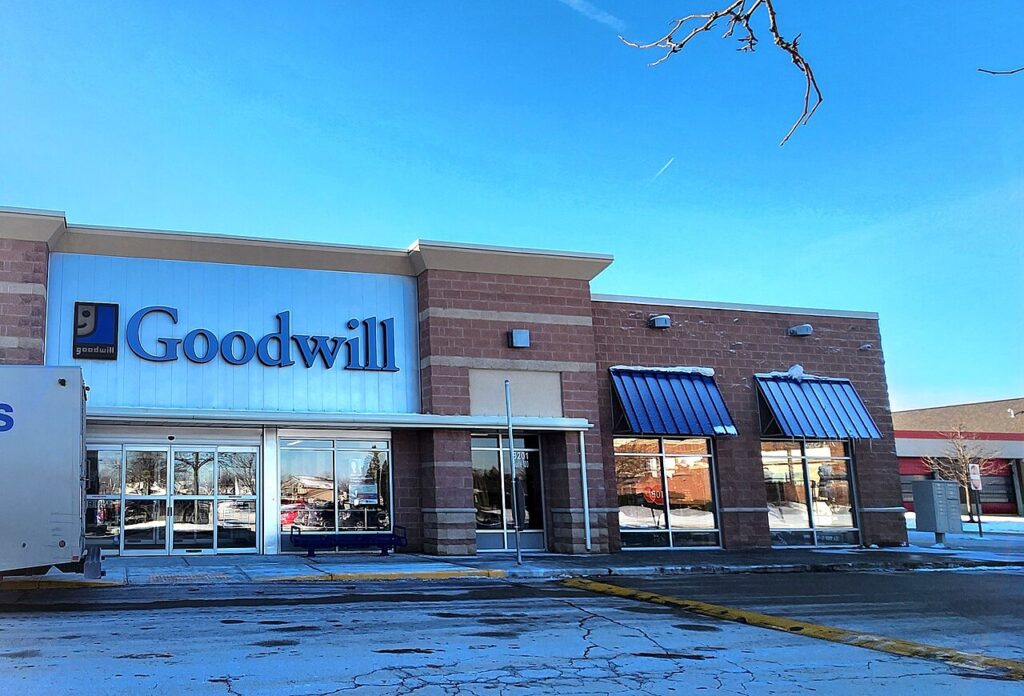
A lot of donations never make it to the sales floor. Some items are unsafe, some are unsanitary, and some cost stores more to handle and dispose of than they are worth. Before loading up your car, it helps to know which items thrift stores like Goodwill and The Salvation Army usually will not accept.
Wet, Moldy, or Mildewed Items
If something is damp, smells musty, or has visible mold, it should not be donated. Moisture can spread quickly to other items, and moldy donations can pose health risks to employees and volunteers handling them.
Broken or Heavily Worn Items
Thrift stores usually don’t accept items that are broken, torn, stained, rusty, or missing important parts. If an item is too damaged to be used right away, it is more likely to become a disposal problem than a useful donation.
Oversized or Very Heavy Furniture and Equipment
Large furniture and heavy equipment are often turned away because they are difficult to move, store, and display. Some thrift stores do not accept furniture at all, so it is always worth checking first before showing up with something bulky.
Mattresses and Bedding
Mattresses, box springs, bed pillows, mattress toppers, and similar bedding items are commonly refused. These items raise sanitation concerns and are often restricted by local health regulations, which makes them hard to resell.
Hazardous or Flammable Items
Paint, chemicals, propane tanks, fireworks, gasoline-powered tools, and other hazardous materials should never be dropped off at a thrift store. These items create safety risks for staff, shoppers, and donation centers, and they usually require special disposal.
Firearms, Ammunition, and Explosive-Related Items
Weapons and anything related to them are not appropriate donations. Even novelty items, replicas, or objects that only look suspicious can create serious problems because staff cannot safely assume they are harmless.
Large Appliances and Certain Electronics
Large household appliances such as refrigerators, stoves, washers, dryers, and air conditioners are usually not accepted. Many stores also turn away televisions and older electronics because they are difficult to test, expensive to dispose of, or subject to special recycling rules.
Baby Gear and Children’s Safety Items
Items like cribs, car seats, highchairs, bassinets, walkers, and some strollers are often refused. Safety regulations, recalls, and liability concerns make these products much harder for thrift stores to take on.
Related: 14 Things Women Always Grab at Garage Sales (and They Go FAST)
Food, Drinks, and Personal Care Products
Thrift stores generally do not accept food or beverages, whether they are opened or unopened. Personal care products such as makeup, lotion, shampoo, and similar items are also usually rejected due to contamination and expiration concerns.
Construction and Home Improvement Materials
Loose building supplies, carpet, blinds, plumbing parts, rods, and similar home improvement leftovers are usually not a good fit for thrift stores. These items are hard to sort, awkward to store, and often do not sell well in that setting.
Medical and Sanitation Items
Medical equipment and sanitation-related items are often refused because they raise both cleanliness and liability concerns. Even if something still looks usable, stores may not be willing to handle it for resale.
Loose Rags and Cleaning Materials
Bundles of rags, old cleaning cloths, and similar materials are usually not worth donating. They can be difficult to sort, easy to mistake for dirty items, and often end up being thrown away anyway.
Old Print Materials
Old encyclopedias, stacks of magazines, and outdated newspapers are usually not accepted by thrift stores. Demand for them is low, they take up a lot of space, and most locations simply cannot sell them.
Other Posts You Might Like
- 20 Collectibles in Your Parents’ House That Could Be Worth a Fortune
- 13 Random Items in Your Home That Could Be Worth Thousands
- From Oil Lamps to Porcelain Pigs, These Are the Strangest Things People Collect
- 13 Garage Sale Items That Collectors Actively Look For (and Pay Well For)
- 17 Everyday Items in Your Kitchen That Are Secretly Valuable