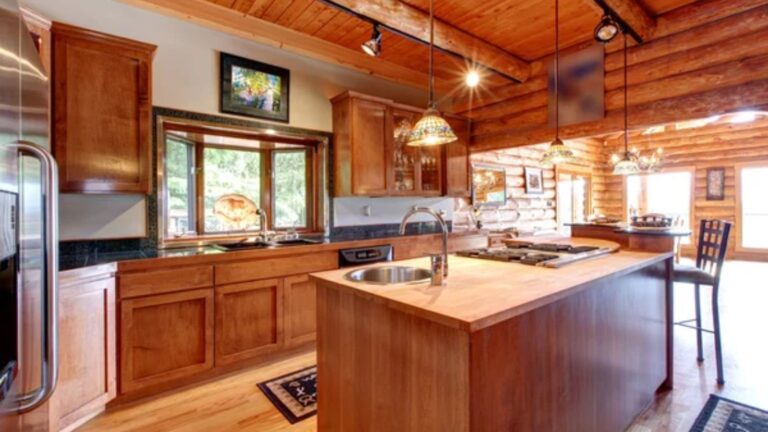
Buying a house can be exciting, especially when you find a kitchen you love, fresh paint, and a yard that looks great from the street. It’s easy to get caught up in the details and miss the warning signs that could lead to expensive repairs later.
Every house has a few quirks, but some problems deserve much more attention than a dated bathroom or ugly flooring. Before making an offer, look past the cosmetic stuff and pay close attention to anything that could affect the home’s safety, structure, or long-term costs.
Poorly Done DIY Renovations
A homemade renovation can look fine on the surface while hiding bad electrical work, plumbing mistakes, or structural changes behind the walls. Fixing those problems can mean tearing out the work and bringing everything up to current building requirements.
Asbestos, Lead Paint, or Other Hazardous Materials
Older homes may contain asbestos, lead-based paint, or other materials that need special handling. Removing or containing them can be expensive, so find out what you’re dealing with before deciding whether the house fits your budget.
Foundation Problems
Large cracks, sloping floors, or doors that suddenly stick can be signs of foundation movement. Structural repairs can run into the tens of thousands of dollars, especially when the underlying cause hasn’t been addressed.
Water Damage or Mold
Water stains, warped floors, peeling paint, and musty smells can point to moisture problems that aren’t obvious during a quick showing. A leak left untreated can lead to mold, wood damage, and a much bigger repair bill after you move in.
Related: One cheap microfiber cloth, 14 surprisingly useful ways to use it around the house
Outdated Electrical Wiring
Old wiring may struggle to meet the electrical demands of a modern household and can also pose a fire risk. Updating the wiring throughout a house can be costly, and older electrical systems may also make insurance harder or more expensive to arrange.
An Aging or Damaged Roof
A roof that’s near the end of its life can become a major expense soon after you buy the house. Missing shingles, sagging spots, water stains, or signs of earlier leaks are all reasons to have the roof checked by a qualified professional.
Plumbing or Sewer Line Problems
Slow drains, low water pressure, discolored water, and repeated backups can indicate problems that aren’t visible during a showing. Major plumbing repairs or sewer line work can cost thousands and may require digging up parts of the yard or opening walls.
Related: You Bought the House. Now Come the Expenses Nobody Talks About
An HVAC System Near Failure
Heating and cooling systems have limited lifespans, and replacing one isn’t cheap. If the equipment is very old, makes strange noises, or struggles to keep the house comfortable, find out how soon you may need to replace it.
Evidence of Pest Damage
Termites, carpenter ants, and rodents can cause damage far beyond what you can see during an open house. Removing the pests is just one part of the bill, since damaged wood, insulation, drywall, or wiring may also need repair.
Related: Electrical Problems Around the House That Should Never Be Brushed Off
Poor Drainage Around the Property
Water that collects near the foundation, or yard grading that directs rain toward the house, can lead to leaks and foundation issues. Fixing drainage may involve regrading the yard, adding drains, or changing gutters and downspouts, so get an idea of the cost before you buy.