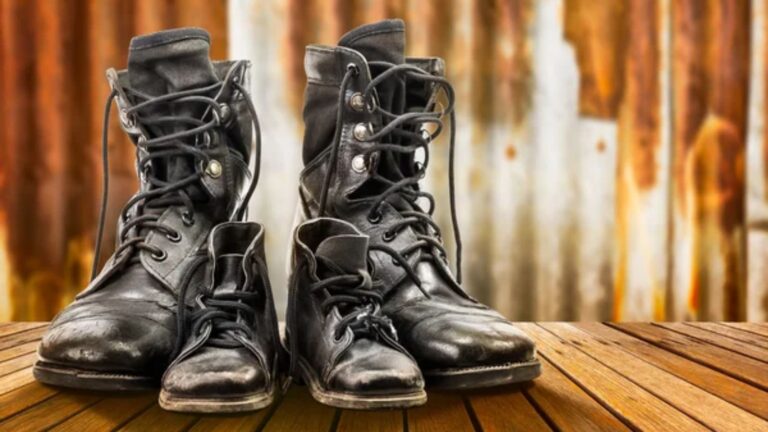
I’ve spent plenty of weekends wandering through antique malls, estate sales, and flea markets, and I’ve learned that finding great pieces isn’t always about luck. I’ve passed up things I later wished I’d bought, paid too much for others, and slowly figured out what clues are actually worth paying attention to.
The best antique shoppers aren’t necessarily experts on every single item they see. They simply know what details to check before handing over their money.
These are the antiquing tips I wish someone had shared with me when I was starting out. They still come in handy every time I go looking for something old and interesting.
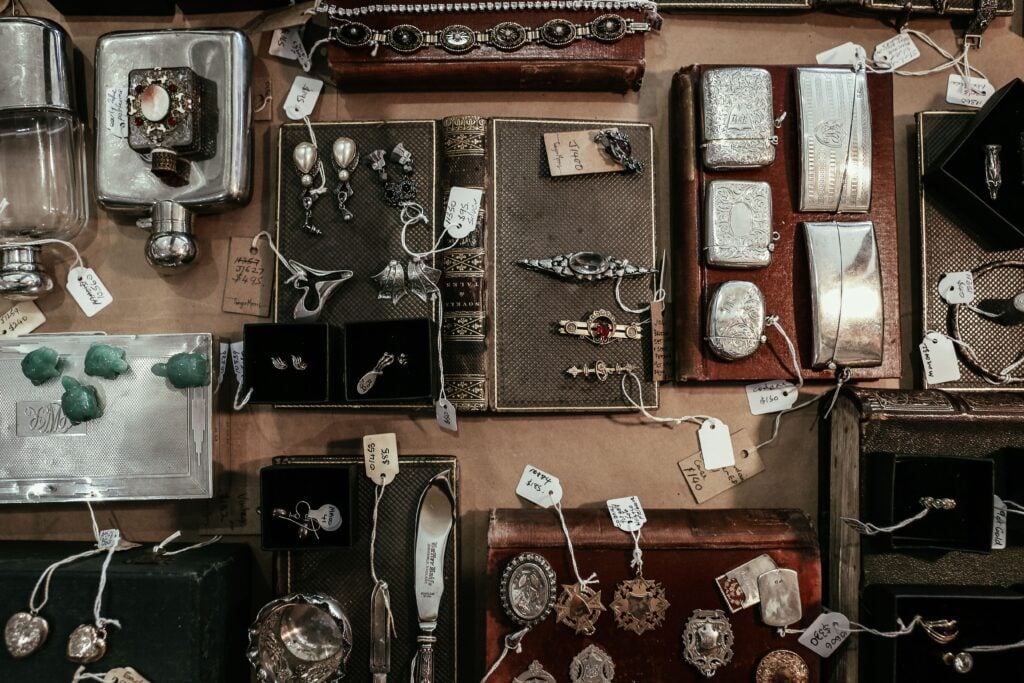
Learn the Difference Between Antique and Vintage
The terms “antique” and “vintage” are often used interchangeably, but they refer to different age ranges. An antique is usually at least 100 years old, while vintage pieces are younger and are often associated with a particular decade or era.
Related: 9 Antique Items You Should Never Toss Without Checking Their Value
Shop Late on the Last Day of a Sale
Shopping early gives you first choice, but waiting until the end can give you more room to negotiate. A dealer who doesn’t want to haul an unsold item home may be much more willing to lower the price.
Don’t Skip the Basement or Attic at Estate Sales
The rooms everyone sees first usually get picked over quickly, while basements and attics can hold plenty of forgotten items. That’s where you may find old holiday decorations, sporting goods, household pieces, and collectibles that were tucked away years ago.
Related: 13 Vintage and Antique Pieces That Could Still Be Worth Something
Never Pass Up a Great Quilt
A well-made quilt can be beautiful enough to display while still being useful around the house. Older quilts with detailed stitching, unusual patterns, or a documented history can also be appealing to collectors.
Watch for Artificial Distressing
Natural wear usually shows up in the places people touched and used over many years, such as drawer pulls, armrests, and tabletops. When every corner has the same scratches, dents, and faded spots, the piece may have been made to look older than it really is.
Related: 16 Antique Collectibles to Look For When Cleaning Out an Old Home
Always Ask About an Item’s History
Ask where the seller got the piece and what they know about its background before deciding what it’s worth to you. The story may reveal a maker, date, previous owner, or other detail that helps explain the asking price.
Carry a Small Magnet
A small magnet can help you quickly identify certain metal pieces while you’re shopping. It won’t prove that something is authentic, but it can help distinguish some ferrous metals from nonmagnetic materials.
Open Every Drawer Before You Buy
A cabinet or dresser can look ordinary on the outside and reveal much better construction once you open it. Check the joints, drawer bottoms, hardware, and interior surfaces for signs of older workmanship and solid materials.
Related: 12 Art Pieces Designers Search for in Thrift Stores and Antique Shops
Look for Old Square Nails
Square or hand-wrought nails can be a useful clue when you’re trying to date older furniture or wooden objects. They aren’t proof of age on their own, but they can support the case that a piece is genuinely old.
Verify Clothing Labels
Vintage clothing labels can offer clues about when and where a garment was made. Compare the label, stitching, fabric, and construction with reliable reference sources before paying a premium for something described as vintage.
Turn Furniture and Artwork Over
The back of a painting or the underside of a table can tell you things the front doesn’t reveal. Look for old hardware, construction details, labels, stamps, and signs of age that may help confirm whether a piece matches the seller’s description.
Think Beyond an Item’s Original Purpose
An old object doesn’t always have to be used the way it was originally intended. A vintage bucket might become a light fixture, an old crock could hold kitchen utensils, and a wooden toolbox can make useful storage.