Most gardeners assume that if a plant is sold somewhere, it must be legal to grow. But that’s not always the case. Across the United States, certain plants are banned, restricted, or heavily regulated because they spread aggressively, damage ecosystems, threaten agriculture, or pose serious health and safety risks.
In some cases, planting the wrong species could result in fines, mandatory removal, or visits from local agricultural authorities. Before adding something unusual to your landscape, here are 12 plants that are illegal or heavily restricted in many parts of the country.
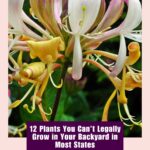
Japanese Honeysuckle

This fast-growing vine was once prized for its fragrant flowers but has become a major invasive problem throughout much of the country. In many states, it is now listed as a noxious weed or prohibited species due to its ability to overwhelm native vegetation.

Organize your next yard or garage sale with this complete printable bundle featuring garage sale signs, price tags, flyer templates, checkout signs, trackers, and table category signs.
Scotch Broom
Scotch broom produces bright yellow flowers, but it also spreads aggressively, creating dense stands that crowd out native plants. In Western states in particular, it is considered a serious invasive species and is prohibited in many areas.
Related: Do Not Plant These in Summer—They’ll Wilt, Burn, or Die Before the Season Ends
Kudzu
Nicknamed “the vine that ate the South,” kudzu is one of the most notorious invasive plants in America. Its ability to grow rapidly and smother trees, buildings, and native vegetation has led many states to prohibit planting it entirely.
Giant Hogweed
This towering plant may look impressive, but its sap can cause severe burns, blistering, and long-term skin sensitivity when exposed to sunlight. Because of the risks it poses to both people and ecosystems, giant hogweed is classified as a noxious weed and is prohibited in many states.
Water Hyacinth
With its attractive purple flowers, water hyacinth often surprises people when they learn it’s banned in numerous states. The plant multiplies so quickly that it can completely cover lakes, ponds, and waterways, choking out native aquatic life and disrupting water flow.
Purple Loosestrife
Purple loosestrife produces beautiful spikes of purple blooms, but it’s considered one of the most destructive wetland invaders in North America. A single plant can produce millions of seeds, allowing it to quickly dominate marshes and crowd out native species.
Japanese Barberry
Many homeowners planted Japanese barberry for decades before researchers discovered its environmental impact. Besides spreading aggressively in forests, dense barberry thickets have been linked to increased tick populations and higher Lyme disease risk.
Related: The Houseplant Gnat Problem Most Plant Owners Deal With
Garlic Mustard
Garlic mustard may look harmless, but it spreads rapidly through woodland areas and releases chemicals that suppress native plants. Several states now regulate or actively discourage its cultivation because of the damage it causes to forest ecosystems.
Cogongrass
Agricultural experts often rank cogongrass among the worst invasive plants in the United States. Its razor-sharp leaves, underground rhizomes, and ability to increase wildfire intensity have led to strict regulations in numerous states.
Myrtle Spurge
Myrtle spurge is a popular ornamental succulent, but its spread has become a major concern in some regions. The plant can displace native vegetation, and its sap may cause skin irritation, leading to restrictions and bans in several western states.
Related: Sprinkle Cinnamon on Your Plants — Here’s What It Does
Opium Poppy
While many ornamental poppies are perfectly legal, the opium poppy is a different story. Because it can be used to produce controlled narcotics, cultivating this plant can create serious legal issues regardless of whether it was planted for decorative purposes.
Khat
Khat is rarely found in home gardens, but it remains illegal to cultivate in the United States because its leaves contain cathinone, a controlled stimulant. Growing it can result in criminal penalties similar to those associated with other prohibited plants.
Other Topics You Might Like
- 13 Gardening Antiques Collectors Love and Often Pay Up For
- I Stopped Buying Fertilizers After Years of Gardening and Started Using This Instead
- Some of the Best Gardening Tips I Ever Got That Break All the Rules
- 9 Vintage Gardening Tools Hiding in Grandma’s Potting Shed— Some Could Be Worth a Small Fortune