
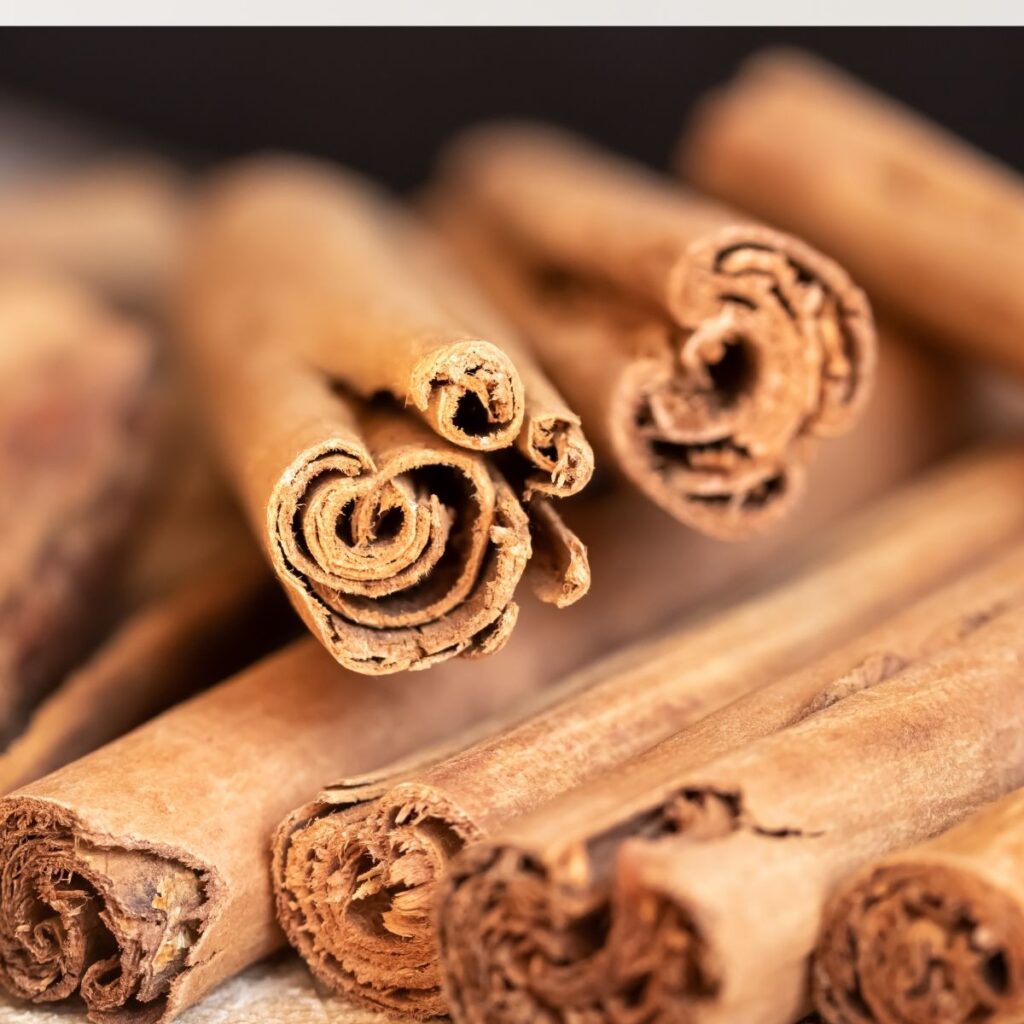
Most people think of cinnamon as something that belongs in the kitchen, but gardeners have been using this common spice for years. While it isn’t a miracle cure, cinnamon has natural antifungal and antibacterial properties that can help solve several common gardening problems.
From protecting seedlings to deterring pests, here are some practical ways gardeners use cinnamon around their plants.
Helps Prevent Damping-Off Disease
If you’ve ever started seeds indoors only to watch healthy seedlings suddenly collapse and die, damping-off disease may be to blame. Many gardeners sprinkle a light dusting of cinnamon over seed-starting mix because its natural antifungal properties can help reduce the fungi that contribute to this common seedling problem.
Protects Fresh Plant Wounds
Pruning, dividing plants, or accidentally damaging stems can leave plants vulnerable to disease. A small amount of cinnamon sprinkled on fresh cuts may help create a protective barrier while the wound heals, reducing the chance of fungal infections taking hold.
Discourages Fungus Gnats in Houseplants
Fungus gnats thrive in damp potting soil and can quickly become a nuisance indoors. While cinnamon won’t eliminate a severe infestation, many gardeners use it on the soil surface to help discourage fungal growth that attracts these tiny pests in the first place.
May Help Deter Ants
Ants dislike strong scents, and cinnamon is one of the natural remedies gardeners often use around garden beds and containers. Sprinkling cinnamon near ant trails or around the base of plants may encourage them to relocate without the need for chemical treatments.
Helps Reduce Mold on Soil Surfaces
Indoor plants and seed trays sometimes develop white fuzzy mold when moisture levels stay high. A light coating of cinnamon can help suppress surface mold growth and keep potting soil looking cleaner and healthier.
Can Be Used on Plant Cuttings
Many gardeners dip fresh cuttings into cinnamon before planting them. While cinnamon isn’t technically a rooting hormone, it may help protect the cutting from fungal issues while roots begin to develop.
Related: Houseplant Hacks That Actually Work, Even If You’ve “Killed Every Plant Before This”
Discourages Some Garden Pests
The strong scent of cinnamon may help deter certain pests, including squirrels, mice, and other curious animals that like digging in freshly planted beds. Results vary, but many gardeners use it as part of a broader pest-management strategy.
Related: Home & Garden Pest Control Guide Printable PDF
Helps Keep Seed Trays Healthier
Young seedlings are especially vulnerable to fungal problems in warm, humid conditions. Sprinkling cinnamon lightly over seed trays can provide an extra layer of protection during the critical germination stage.
May Suppress Small Mushrooms
Mushrooms often appear in damp, shady areas where fungal activity is high. Cinnamon won’t solve the underlying moisture issue, but some gardeners find it helps discourage mushroom growth when applied to affected areas.
A Chemical-Free Garden Helper
One of cinnamon’s biggest advantages is that it’s inexpensive, widely available, and safe to use around most plants. While it won’t replace proper watering, healthy soil, and good gardening practices, it can be a useful tool for dealing with a variety of small garden challenges.
Other Topics You Might Like
- 13 Gardening Antiques Collectors Love and Often Pay Up For
- I Stopped Buying Fertilizers After Years of Gardening and Started Using This Instead
- Some of the Best Gardening Tips I Ever Got That Break All the Rules
- 9 Vintage Gardening Tools Hiding in Grandma’s Potting Shed— Some Could Be Worth a Small Fortune