For people who work in restaurants, hotels, coffee shops, and other service jobs, tips can be a big part of the paycheck. For some workers, that money helps cover everyday expenses and makes up a meaningful part of what they take home.
Most customers aren’t trying to be rude when they tip. A lot of tipping habits come from simple misunderstandings about what workers actually deal with. Something that seems perfectly reasonable to a customer can feel pretty dismissive to the person providing the service.
A little thought can make a difference. Here are 12 tipping habits that service workers wish customers would rethink.
Leaving Coins Instead of Bills
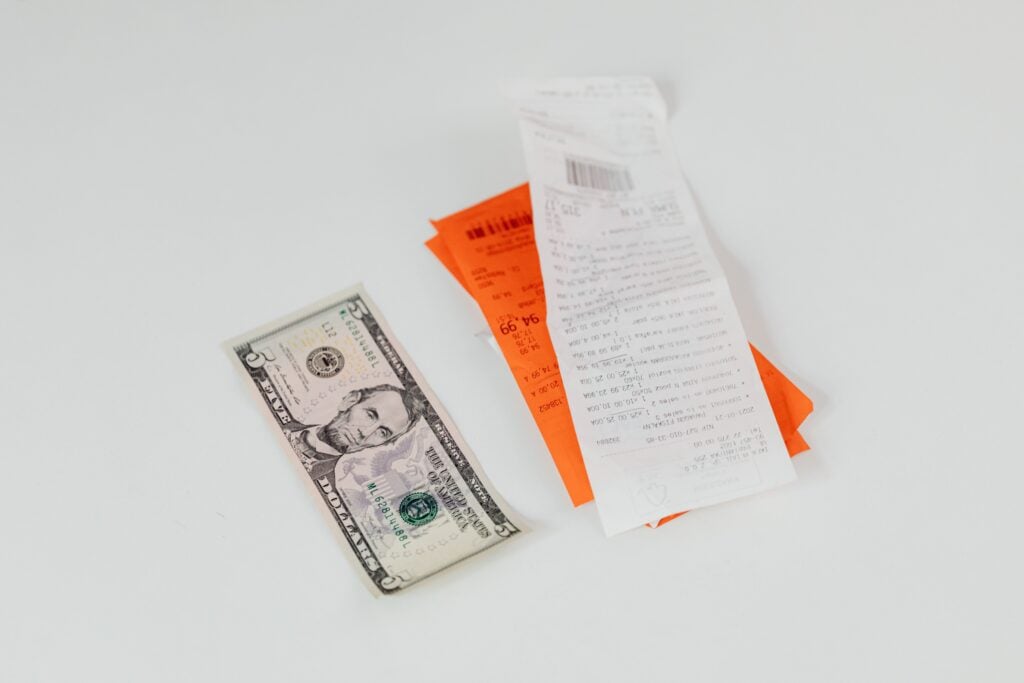
Leaving a few coins on the table may technically count as a tip, but it can come across as an afterthought.
There are times when coins are all someone has, and that’s different. But if you have the option, leaving a few bills is usually a better choice. A small pile of loose change can feel less like a thank-you and more like someone didn’t want to leave empty-handed.
Related: The Things Goodwill Employees Wish People Knew Before Donating
Skipping the Tip for Takeout
Takeout isn’t the same as full table service, so tipping expectations can be different. Still, someone usually has to take your order, prepare the packaging, check that everything is there, add utensils or condiments, and get the food ready for you.
You don’t have to leave the same tip you would for a sit-down meal, but a small tip can still be a nice way to acknowledge the work that went into your order.
Tipping Based Only on How Long You Stayed
It can be tempting to think that a quick meal deserves a smaller tip because the server didn’t spend much time at your table.
But the amount of time you sit there isn’t the only work involved. Your server still has to greet you, take the order, bring the food, refill drinks, answer questions, clear dishes, and handle the check.
A meal that takes 30 minutes can still require plenty of work from the person serving you.
Related: 11 Things Taking Up Too Much Space in Your Kitchen
Not Tipping at Coffee Shops
Coffee shop tipping has become a touchy subject. Nobody expects you to leave a huge tip every time you order a basic cup of coffee, and counter service is different from being waited on at a restaurant.
Still, baristas do more than hand over a cup. They make drinks, handle special requests, keep the station clean, take orders, and deal with long lines during busy periods.
If you order a complicated drink with several changes, leaving a little something can be a nice gesture.
Punishing Servers for Kitchen Mistakes
Getting the wrong meal or receiving an overcooked steak is frustrating. But taking that frustration out of the tip isn’t always fair.
The server usually isn’t the person cooking your food. If they noticed the problem, apologized, communicated with the kitchen, and worked to get it fixed, they did their part.
If the server handled the situation well, a kitchen mistake doesn’t necessarily need to turn into a bad tip.
Related: Professional Cleaners Say These 12 Things Make a Home Look Dirty
Leaving a Flat Dollar Amount No Matter the Bill
A flat $5 tip can be perfectly reasonable on a small check. It looks very different on a much larger one.
For full-service restaurants, many customers use a percentage of the bill as a starting point because larger orders often involve more food, drinks, refills, and requests.
There’s no single tipping rule that works for every situation, but leaving the same dollar amount regardless of the bill can make a big difference in what the server actually earns.
Forgetting to Tip Hotel Staff
Hotel workers can be easy to overlook because you don’t always see them during your stay.
Housekeepers clean your room, bellhops help with luggage, and valets handle your car. Depending on the hotel and the type of service, tipping may be customary.
A few dollars can go a long way, especially for workers who spend their shifts helping guests behind the scenes.
Not Tipping for “Complimentary” Services
The word “complimentary” can make a service feel like it doesn’t need a tip, but the person providing it may still be working for tips.
This can apply to things like hotel shuttles, luggage assistance, or other services that are included with your stay.
If someone spends time helping you, carries your bags, drives you somewhere, or provides personal service, a tip can be appropriate even when you weren’t charged directly for that service.
Related: 15 Customer Habits That Restaurant Staff Wish Customers Would Stop Doing
Ignoring the Tip Jar Every Time
Nobody expects a huge tip every time you buy a $3 coffee or grab a quick snack.
Still, if you visit the same coffee shop or counter-service business all the time, leaving something in the tip jar once in a while is an easy way to show appreciation.
Those small tips can add up over the course of a shift, especially for workers who depend on them as part of their income.
Under-Tipping on Large Party Checks
Large groups can create a lot more work for a server. There may be several separate checks, lots of drink refills, special requests, food arriving at different times, and plenty of questions to deal with.
A large table can also take up a good portion of the dining room and require the server’s attention for much longer.
That’s one reason some restaurants automatically add gratuity to large parties. If there isn’t an automatic charge, it’s worth taking the extra work into account when deciding on the tip.
Assuming Tips Are Shared When They’re Not
Some customers assume that every employee gets a piece of the tips left at a restaurant.
That isn’t always how it works. Depending on the restaurant, servers may have to share part of their tips with bartenders, bussers, hosts, or other staff members.
So leaving less because you think everyone is splitting the money may have the opposite effect from what you intended. The server may actually take home less than you realize.
Tipping on the Discounted Total Only
Coupons, discounts, and gift cards can lower what you pay, but they don’t necessarily change the amount of work your server did.
If a meal originally costs $100 and a promotion brings it down to $70, the server still provided the same service. Some customers choose to calculate the tip based on the original price for that reason.
There’s no universal rule that says everyone must tip this way, but it’s something worth keeping in mind if you received a large discount.