Goodwill accepts millions of donated items every year, giving clothing, furniture, and household goods a second life while helping support community programs. It’s an easy way to clear out your home and pass useful items along to someone who needs them.
Still, many people are surprised to learn that Goodwill can’t accept everything. Some donations create safety concerns, others can’t legally be resold, and a few simply cost too much to process. In many cases, items that can’t be sold end up costing the organization money to dispose of.
Wet or Moldy Items
Anything that’s damp, moldy, or has a strong mildew smell is usually rejected. Mold can spread quickly to nearby donations, damaging clothing, books, and furniture. Even if only one item is affected, it can create problems for everything around it.
Large Appliances and Certain Electronics
Large appliances like refrigerators, washing machines, dryers, and stoves are often turned away. Many locations also no longer accept older televisions or electronics that are difficult to test or recycle. These items require extra handling and may fall under special disposal rules.
Related: 15 Things Walmart Won’t Accept as Returns
Food and Beverages
Food donations, including unopened canned goods or packaged snacks, generally aren’t accepted. Goodwill stores aren’t set up to store or distribute food safely, so these items should be donated to local food banks instead.
Construction Materials
Leftover flooring, carpet, lumber, plumbing supplies, windows, doors, and similar building materials usually aren’t accepted. They’re bulky, difficult to store, and don’t fit the type of inventory most Goodwill stores sell.
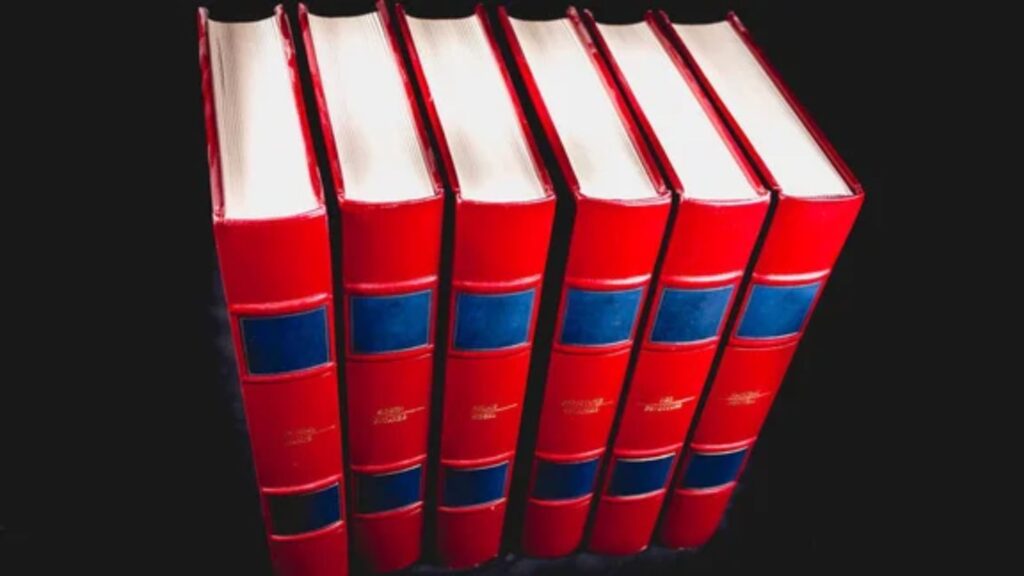
Old Encyclopedias, Magazines, and Newspapers
Boxes of outdated reference books, old magazines, and newspapers rarely find buyers today. Since these items often remain on shelves without selling, many locations no longer accept them.
Related: 10 Things Thrift Stores Charge Too Much For
Mattresses and Used Bedding
Most Goodwill stores won’t take mattresses, box springs, pillows, or heavily used bedding. Hygiene concerns and state regulations make these items difficult or impossible to resell.
Baby Gear and Safety Equipment
Car seats, cribs, walkers, bassinets, and high chairs are commonly declined. Safety standards change over time, and recalled products can be difficult to identify. Rather than risk selling equipment that may no longer meet current guidelines, many locations simply don’t accept it.
Opened or Expired Cosmetics
Used makeup, opened skincare products, nail polish, and personal care items aren’t suitable for resale. Since there’s no way to verify their condition or safety after they’ve been opened, they’re usually refused.
Medical Equipment
Walkers, crutches, braces, wheelchairs, and similar medical devices are accepted only at some locations, while many won’t take them at all. Without proper inspection, there’s too much responsibility involved in reselling equipment that affects someone’s health or mobility.
Related: 12 Things That Become More Exhausting Than Enjoyable With Age
Oversized Furniture or Extremely Heavy Items
Large entertainment centers, oversized sofas, pool tables, exercise equipment, and other bulky items may be refused simply because a store doesn’t have enough space or staff to handle them. Acceptance often depends on the location and available storage.
Hazardous Materials
Paint, pesticides, propane tanks, gasoline, automotive fluids, pool chemicals, and other hazardous products should never be donated. These materials require special handling and can create safety risks for employees and customers.
Firearms and Other Weapons
Firearms, ammunition, explosives, and realistic weapon replicas are not accepted. Knives and certain other weapons may also be refused depending on local policies. These items create obvious safety and legal concerns and should never be placed in a donation bin.
Before making a donation, it’s always a good idea to check with your local Goodwill. Acceptance policies can vary by location, and a quick phone call or visit to their website can save you a trip with items they aren’t able to take.
Other Posts You Might Like
- 20 Collectibles in Your Parents’ House That Could Be Worth a Fortune
- 13 Random Items in Your Home That Could Be Worth Thousands
- From Oil Lamps to Porcelain Pigs, These Are the Strangest Things People Collect
- 13 Garage Sale Items That Collectors Actively Look For (and Pay Well For)
- 17 Everyday Items in Your Kitchen That Are Secretly Valuable