Leaving home for a trip is exciting until the thought of your houseplants creeps in. For anyone who keeps plants, there’s always that moment before a vacation when you start wondering what you’ll come back to. Will the plants be fine? Or will they all be drooping, crispy, and beyond saving?
Over time, a few simple habits can make leaving plants behind a lot less stressful. With a little preparation before walking out the door, most houseplants can easily handle a week or even longer without much trouble.
These are some of the tricks that help keep houseplants healthy while their caretaker is away.
Give Plants a Deep Watering Before Leaving
One of the simplest things that makes a big difference is watering plants thoroughly before a trip. A deep watering allows moisture to soak through the entire root zone so the soil stays hydrated longer.
For indoor plants, water slowly until a little water drains from the bottom of the pot. Afterward, empty the saucer so the roots aren’t sitting in standing water.
Outdoor containers should ideally be watered early in the morning or in the evening when evaporation is lower.
Move Plants Out of Direct Sunlight
Plants sitting in intense sunlight tend to dry out much faster. Before leaving, moving them slightly away from bright windows can help slow moisture loss.
A spot with bright, indirect light is usually perfect while you’re gone. Plants will still get enough light to stay healthy, but they won’t use water as quickly.
Group Plants Together
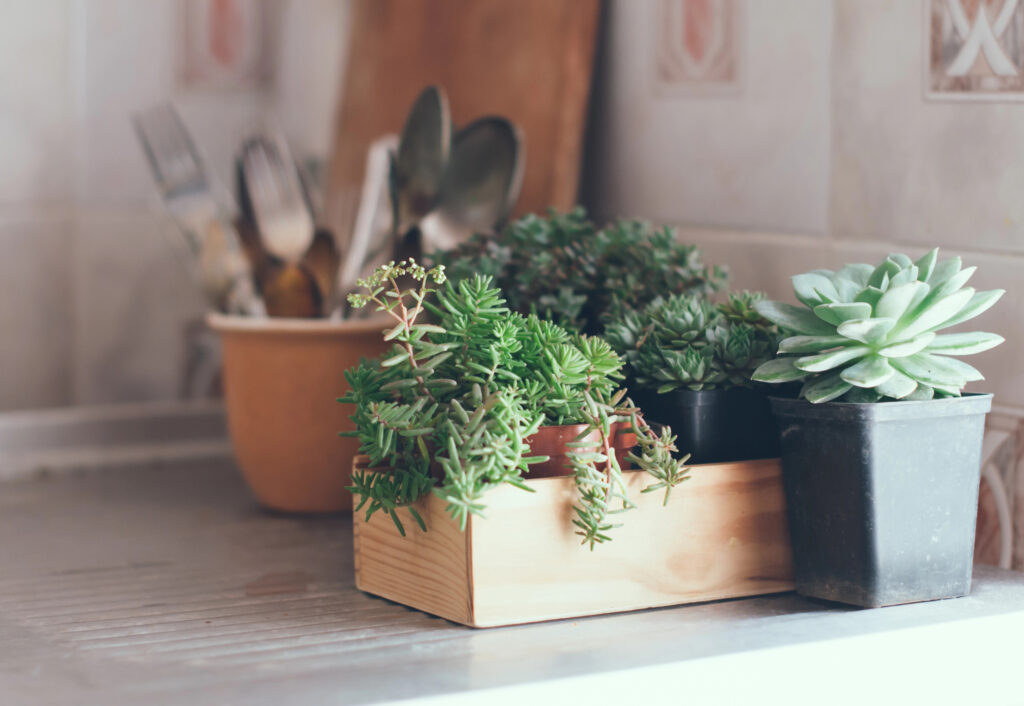
Placing plants close together creates a small pocket of humidity around them. Plants naturally release moisture through their leaves, and when grouped together they help maintain a slightly more humid environment.
A corner of a room with filtered light works well for this. Some people even place a shallow tray of water nearby to increase humidity.
Use Self-Watering Pots
Self-watering pots can be incredibly helpful when leaving plants unattended. These containers hold water in a reservoir that the plant can draw from as needed.
Watering globes or watering spikes can also be inserted into the soil to slowly release moisture over time. They’re especially useful for medium and larger houseplants.
Add Mulch to the Soil
Mulch isn’t just for outdoor gardens. A layer of mulch on top of houseplant soil can slow evaporation and help the soil stay moist longer.
Materials like coconut coir, sphagnum moss, bark, or even decorative pebbles can act as a protective layer that keeps moisture in the soil.
Try a Simple Watering Wick
A watering wick is a clever low-tech solution for keeping plants hydrated while you’re away.
One end of a cotton string or rope sits in a container of water, while the other end is buried slightly in the soil. Water slowly travels up the wick and into the pot as the soil dries.
This simple setup works especially well for smaller houseplants.
Use the Bathtub Method
For trips lasting around a week, some plant owners move their plants into the bathtub.
A towel can be laid across the bottom of the tub and soaked with water, then the plants are placed on top. Another option is filling the tub with a shallow layer of water and setting the pots inside.
The key is making sure the pots have drainage holes so they can draw moisture from below without becoming waterlogged.
Set Up a DIY Drip System
For larger plant collections, a simple drip setup can keep plants watered automatically.
An easy DIY version uses plastic bottles. Fill the bottle with water, poke a few small holes in the cap, and place it upside down in the soil. The water will slowly seep out as the soil dries.
For longer trips, a drip system connected to a timer can make watering even easier.
Use Plastic Bags for Small Plants
Smaller plants can sometimes be placed inside clear plastic bags to create a mini greenhouse. After watering the plant, place a few sticks or skewers in the pot so the plastic doesn’t touch the leaves. The bag traps humidity and slows water loss.
Just make sure the plant is kept in indirect light, since too much sun could overheat the plant inside the bag.
Avoid Fertilizing Right Before a Trip
Fertilizing encourages new growth, which means plants will need more water and attention.
Before leaving for vacation, it’s usually best to skip fertilizer. Plants will be perfectly fine taking a short break from feeding while you’re away.
Check for Pests Before You Leave
Even a small pest problem can become much worse while nobody is around to notice it.
Before leaving, it helps to quickly inspect plants for common issues like spider mites, aphids, or fungus gnats. Catching and treating a problem early can prevent coming home to a much bigger infestation.
Use Timers for Grow Lights
If plants rely on grow lights, plugging them into timers ensures they continue getting consistent light.
Timers can mimic a natural day-night cycle, usually keeping lights on for 12–16 hours and off for the rest of the day.
Move Outdoor Pots to Shadier Areas
Outdoor container plants tend to dry out much faster than plants in the ground. Before leaving, moving them into partial shade or a sheltered area can help conserve moisture.
Placing them under a tree, awning, or covered patio reduces both sun exposure and drying winds.
Related: The Cutest Heart-Shaped Houseplants That Look Like Living Hearts
Trim Plants Lightly Before Leaving
Removing dead or damaged leaves helps plants conserve energy and moisture.
A light trim can also reduce the amount of foliage the plant needs to support while you’re gone. Heavy pruning should be avoided right before leaving, though, since that can stress the plant.
Ask Someone to Check on Them
Sometimes the simplest solution is asking a neighbor or friend to stop by once or twice. Grouping plants by their watering needs and leaving simple instructions can make the process easier for whoever is helping.
Consider a Plant-Sitting Service
Plant-sitting services have started appearing in many cities, especially for people with larger plant collections.
These services can water, check plant health, and make sure everything stays in good condition while you’re away.
Leave Clear Instructions
If someone is helping with plant care, leaving clear instructions can prevent confusion.
Instead of saying “water occasionally,” it helps to specify exactly how much water to give and how often. Labels, notes, or quick demonstrations can make the process much easier.
Other Topics You Might Like
- If a neighbor’s tree falls on your home in California, who is responsible?
- Need to Block a Neighbor’s View of Your Yard? Here’s How to Do It Without Starting a War
- If a fence falls between neighbors in California, who is responsible for repairs?
- If You Spot These Vintage Garden Peices at a Garage Sale, Grab Them Fast