It’s easy to assume that anything in decent condition can be donated. If you no longer need something but someone else could still use it, why not give it away?
Thrift stores don’t work quite that way. The Salvation Army receives a huge number of donations, and each location has limited space, staff, and resources. Some items are also difficult to sell, while others create safety or sanitation concerns.
Donation rules can vary from one Salvation Army location to another, so it’s always a good idea to check with your local store before loading up the car. These 13 items are commonly refused or restricted at many locations.
Broken, Rusty, or Dirty Appliances
That old toaster may only need a quick cleaning, and the blender that cuts out every few minutes might seem like an easy fix. A donation center probably isn’t the place for either one.
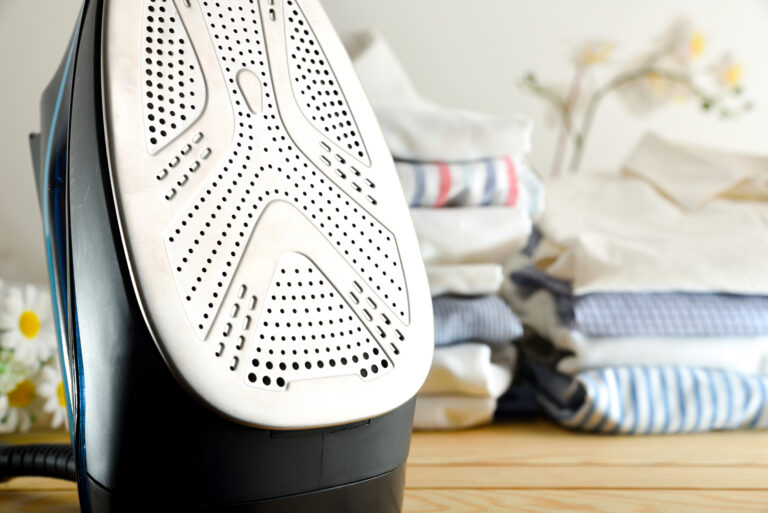
Appliances donated to thrift stores should generally be clean and in working condition. Staff members usually don’t have the time or equipment to repair appliances before putting them out for sale.
If an appliance is greasy, badly damaged, missing parts, or doesn’t work properly, check for a local appliance recycling program instead.
Old Televisions and Outdated Electronics
Large tube televisions and older stereo equipment can be tough to sell. They also take up a lot of room, which can be a problem for stores already dealing with a steady flow of donations.
Some locations may accept certain electronics, while others have restrictions. Before dropping off an old TV or bulky electronic item, give the store a call and ask about its current donation policy.
Built-In Appliances
Built-in ovens, cooktops, dishwashers, and over-the-range microwaves aren’t as easy to donate as smaller kitchen appliances.
These items are made to fit a particular kitchen setup, and removing or installing them can be a major job. Since thrift stores generally aren’t set up to sell and install permanent fixtures, many locations won’t accept them.
Related: 7 Donations Salvation Army Workers Are Begging You to Stop Dropping Off
Automobile Parts
Old tires, car batteries, engines, rims, and other vehicle parts aren’t typical thrift store donations.
Large or heavy auto parts can take up valuable storage space, and some require special handling. A local auto parts retailer, repair shop, recycling center, or salvage yard may be a better place to ask about getting rid of these items.
Paint and Household Chemicals
Don’t load up your donation box with leftover paint, pesticides, solvents, or other household chemicals.
These products can be hazardous and are subject to disposal rules that don’t apply to ordinary household donations. Most thrift stores aren’t equipped or licensed to store and sell them.
Your local household hazardous waste program is a better option for getting rid of these products safely.
Kerosene and Gas Heaters
Portable heaters that run on kerosene or gas can raise safety concerns, especially if they’re older models.
A heater may still turn on, but that doesn’t mean it meets current safety requirements or is suitable for resale. Because of the risks associated with fuel-burning appliances, many donation centers won’t take them.
Related: These Are the Items The Salvation Army Hopes You’ll Donate—And They May Even Pick Them Up
Wet or Moldy Donations
If something has been sitting in a damp basement or garage and now smells musty, shows water stains, or has visible mold, leave it out of your donation pile.
Moisture damage can spread to other merchandise, and moldy items can create health concerns for employees and shoppers. Clothing, furniture, books, and other belongings with noticeable moisture damage are unlikely to make it onto a thrift store’s shelves.
Mattresses, Pillows, and Box Springs
Used bedding can be difficult for thrift stores to handle because of cleanliness and sanitation rules.
Mattresses and box springs may also be subject to state or local regulations concerning resale. Pillows can have similar issues. Some Salvation Army locations may accept certain bedding items, while others don’t, so check before bringing them in.
Baby Gear and Safety Equipment
Car seats, cribs, high chairs, and some other baby products can be difficult donations for a thrift store to accept.
A car seat might look perfectly fine but could have been involved in an accident, recalled, or stored improperly. The same issue applies to cribs and other safety equipment. Without knowing an item’s complete history, a donation center can’t always verify that it’s safe for another child.
For that reason, many locations won’t accept certain types of baby equipment.
Medical Equipment
Walkers, crutches, braces, and similar medical equipment may seem like useful donations, but they can create problems for thrift stores.
Staff members may have no way to verify whether a medical device is safe, functional, or appropriate for another person’s needs. Some locations may accept certain items, while others have strict restrictions.
A medical equipment reuse program, community organization, or healthcare facility may be a better place to ask about donating these belongings.
Weapons and Weapon-Like Items
Firearms, ammunition, and other weapons aren’t appropriate thrift store donations. Realistic replicas and some hunting-related items may also be restricted.
These products create obvious safety and legal concerns, so don’t assume that a donation center will take them just because they’re no longer needed.
If you have an item in this category, check with local authorities or a properly licensed organization for information about lawful disposal or transfer.
Construction Materials
A leftover box of tile or a few pieces of lumber may still have plenty of life left, but that doesn’t mean a regular thrift store can use them.
Building materials can be bulky, heavy, and difficult to display. Items such as carpet, plumbing fixtures, tile, and lumber are usually better suited to organizations that specifically handle home improvement materials.
Habitat for Humanity ReStores, for example, focus on many types of new and used building supplies.
Encyclopedias, Magazines, and Outdated Reference Books
There was a time when a complete set of encyclopedias was a prized household possession. Today, those giant sets can be surprisingly difficult to give away.
Old reference books, outdated textbooks, and stacks of magazines often have little resale value. They can also take up shelf space that could be used for books people are more likely to buy.
Before donating a large collection, look through it and separate current, desirable titles from outdated material. Books that aren’t suitable for donation may be better handled through a local paper recycling program.