A box of baking soda probably has a permanent spot in your kitchen, but plenty of gardeners keep one in the garden shed, too. It has become a popular home remedy for tomato plants, with gardeners using it for everything from fungal problems to soil adjustments.
Some of the claims surrounding baking soda are backed by reasonable gardening practices, while others are more anecdotal. For example, there’s little evidence that sprinkling baking soda around a tomato plant will actually make the fruit taste sweeter. Still, baking soda can have a few useful applications if you use it carefully.
Here are some of the reasons gardeners reach for baking soda during tomato-growing season.
Some Gardeners Say It Makes Tomatoes Taste Sweeter
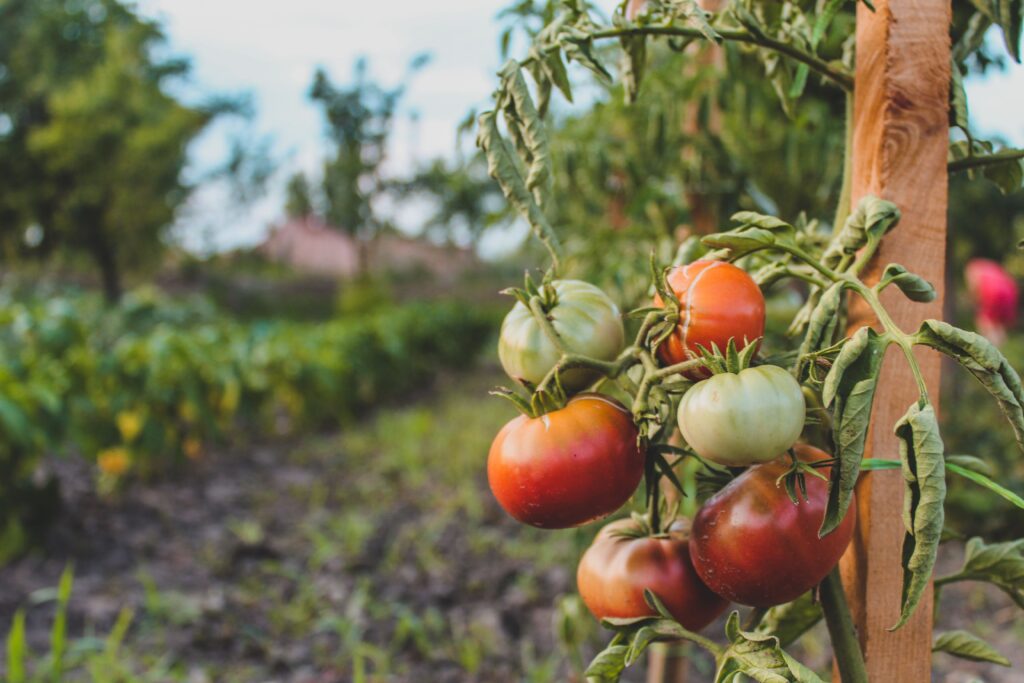
One of the most talked-about baking soda tricks involves sprinkling a small amount around tomato plants in hopes of getting sweeter fruit.
The idea comes from baking soda’s alkaline nature. Some gardeners believe it can reduce soil acidity and somehow influence the flavor of the tomatoes. There isn’t strong research showing that this actually makes tomatoes sweeter, though.
The tomato variety, growing conditions, sunlight, watering, and ripeness have much more to do with how your harvest tastes. If you want sweeter tomatoes, choosing a variety known for its flavor is a much better place to start.
Related: 10 Tomato Growing Tricks That Lead to a Garden Full of Fruit
It May Help With Certain Fungal Problems
Baking soda is probably more useful as a garden treatment than as a flavor booster. A diluted baking soda spray is sometimes used on plant leaves to help prevent or slow certain fungal diseases.
The mixture can make the leaf surface less favorable for some fungi. It may be useful against problems such as powdery mildew and certain leaf spots, especially when used before the disease becomes widespread.
It isn’t a cure for an established infection, though. Good airflow, proper watering, adequate spacing, and removing badly affected leaves still matter.
It May Slow Early Blight
Early blight can become a frustrating problem for tomato growers, particularly during warm, humid stretches of weather. Dark spots can appear on older leaves, gradually spreading if conditions remain favorable for the disease.
Some gardeners use a diluted baking soda spray as part of their efforts to slow fungal problems. It may work better as a preventive measure than as a treatment after the disease has taken over the plant.
Once a tomato plant has extensive blight, removing affected foliage and improving air circulation can be much more useful than relying on a homemade spray alone.
Related: 15 Clever Ways People Use Baking Soda That Have Nothing to Do With Baking
It May Help With Mold Around Seedlings
Starting tomato seeds indoors can be exciting until you notice fuzzy mold growing across the surface of the potting mix. Excess moisture, poor airflow, and crowded seedlings can create ideal conditions for fungal growth.
Some gardeners lightly dust the soil with baking soda in an attempt to discourage mold. It may have some effect on surface fungi, but it shouldn’t replace the basics of good seed starting.
Use containers with drainage holes, avoid keeping the soil constantly soggy, and give seedlings plenty of airflow. Those steps will do far more to protect young plants from fungal problems.
It May Discourage Some Pests
Baking soda isn’t a standard insecticide, but it’s sometimes included in homemade garden sprays aimed at unwanted insects. Some gardeners believe the residue makes plant leaves less appealing to certain pests.
Results can be inconsistent, so don’t count on baking soda alone if your tomato plants are covered with insects. Regularly checking the leaves and stems makes it easier to spot pest problems before they get out of hand.
Beneficial insects, physical removal, barriers, and other proven pest-control methods can also play a role in keeping tomato plants healthy.
It Can Be Used Against Powdery Mildew
Powdery mildew is easy to recognize. The leaves develop a white, dusty coating that can spread across the plant when conditions are favorable.
A baking soda spray is one of the better-known homemade remedies for this problem. The goal isn’t to scrub the mildew away but to make the leaf surface less suitable for fungal growth.
It’s more useful as an early treatment or preventive measure. If the plant is already heavily covered, you’ll need to deal with the underlying conditions too, such as poor air circulation or overly humid surroundings.
Related: Powdery Mildew Ruined My Plants for Years — Until I Tried This
It Can Raise Soil pH
Baking soda is alkaline, which is why some gardeners use it when they suspect their soil is too acidic.
Tomatoes generally prefer slightly acidic soil, so changing the pH without testing it first can create more problems than it solves. Too much baking soda can alter soil chemistry and interfere with the availability of certain nutrients.
If you’re concerned about your soil pH, test the soil before adding anything. A proper soil test gives you a much better idea of what your plants actually need.
It’s Cheap and Easy to Find
Part of the reason baking soda has become such a popular garden remedy is that it’s inexpensive and already sitting in many kitchen cupboards.
You don’t have to make a special trip to a garden center to find it, and a small box can be useful for a range of household jobs too. That makes it tempting to experiment with in the garden.
Just keep in mind that inexpensive doesn’t always mean harmless. Too much baking soda can build up in the soil or damage plant leaves, so using small amounts is a safer choice.
It Can’t Replace Good Tomato Care
Baking soda can have a place in the garden, but it isn’t going to make up for poor growing conditions.
Tomato plants still need plenty of sunlight, regular watering, healthy soil, good air circulation, and enough room to grow. Keeping foliage off the ground and avoiding wet leaves can also help reduce the chance of fungal problems.
Think of baking soda as one possible tool rather than the answer to every tomato problem. A healthy plant grown in good conditions has a much better chance of producing a plentiful harvest than one relying on a pantry remedy to fix bigger problems.
Other Topics You Might Like
- 13 Gardening Antiques Collectors Love and Often Pay Up For
- I Stopped Buying Fertilizers After Years of Gardening and Started Using This Instead
- Some of the Best Gardening Tips I Ever Got That Break All the Rules
- 9 Vintage Gardening Tools Hiding in Grandma’s Potting Shed— Some Could Be Worth a Small Fortune