
Flea markets can be exciting places to explore, but they can also feel a bit overwhelming at first. Tables are often piled high with vintage goods, old tools, collectibles, and furniture from different decades. With so many items in one place, it’s not always easy to tell which pieces are truly worth taking home.
Experienced flea market shoppers know that spotting a great find isn’t just luck. It comes from learning how to notice the small details that reveal an item’s age, craftsmanship, and authenticity. Materials, wear patterns, hardware, and construction methods can all offer clues about whether something is genuinely vintage or simply made to look old.
Once you know what to look for, it becomes much easier to recognize a quality piece when you see one. These tips can help you determine whether that flea market find is the real deal.
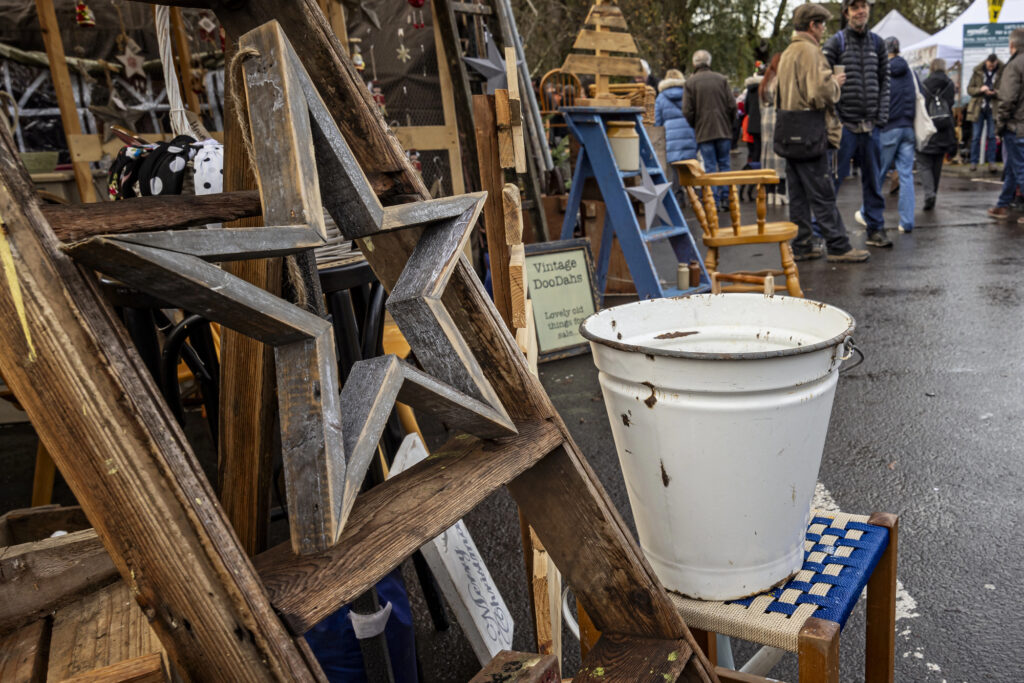
1. Look for Signs of Quality
Well-made vintage pieces often feel sturdy and balanced. Decorative details tend to be carefully crafted rather than stamped out quickly by machines. After handling enough items, you’ll start to notice the difference between solid craftsmanship and mass-produced goods.
2. Trust Your Sense of Touch
Sometimes the easiest way to judge an item is simply to pick it up. Older pieces made from solid materials usually feel heavier and more substantial than modern reproductions.
For example, furniture made from real wood tends to feel smooth and solid, while newer pieces made from particleboard or thin veneer often feel lighter and less durable.
3. Look for Natural Wear
Authentic vintage items often show wear in places that would naturally be handled over time. Drawer pulls, chair arms, and table edges may appear slightly smoothed from years of use.
If the wear looks too uniform or intentionally distressed, it may have been artificially aged.
4. Read Labels and Tags Carefully
Labels and manufacturer tags can reveal helpful information about when something was made. Vintage clothing, furniture, and household items often feature older styles of tags or branding.
Paper labels or woven fabric tags are often signs of older items, while modern pieces tend to use printed synthetic labels.
5. Pay Attention to Fabric
Vintage textiles often have a different feel from modern fabrics. Natural fibers such as cotton, linen, and wool develop a softer texture as they age.
Older fabrics may also show small irregularities in the weave, especially if they were produced on traditional looms.
6. Examine the Hardware
Hardware can reveal important clues about a piece’s age. Older furniture often uses flathead screws rather than modern Phillips-head screws.
Brass handles and knobs may also develop a natural patina over time, giving them a darker, slightly uneven finish that’s difficult to replicate.
Image Credit: Deposit Photos
7. Look for Signs of Real History
Authentic vintage pieces sometimes show evidence of past repairs or updates. A chair may have an older reinforcement underneath, or a dresser might show layers of paint from different decades.
These small details can add character and suggest the item has been used and cared for over time.
8. Notice the Color and Finish
Certain colors and finishes were popular during specific time periods. Furniture and ceramics that were finished by hand may show slight variations in color or glaze.
Machine-produced items usually have a more uniform appearance.
9. Learn to Recognize Maker’s Marks
Many manufacturers stamped or engraved marks onto their products. These marks might appear on the underside of furniture, on the base of ceramics, or inside drawers.
Looking up these marks can often help identify the maker and the approximate age of an item.
10. Look Closely at Stitching
If you’re shopping for vintage clothing or textiles, examine the stitching carefully. Earlier sewing machines often produced slightly uneven stitches compared with modern machines.
Hand stitching can also indicate older craftsmanship.
11. Check for Consistent Aging
A genuine vintage item usually shows aging across all parts of the piece. If the wood looks old but the hardware appears brand new, parts may have been replaced or updated.
Look for materials that appear to have aged together.
12. Consider Regional Styles
Furniture and decorative pieces often reflect the region where they were made. Certain areas favored specific woods, construction methods, or decorative styles.
Recognizing these regional characteristics can sometimes help identify valuable items.
13. Test Moving Parts
Drawers, hinges, and other moving parts can reveal a lot about craftsmanship. Well-built vintage furniture often still opens and closes smoothly even after decades of use.
Pay attention to how drawers slide or doors shut. Solid wood furniture usually feels sturdier than pressed wood alternatives.
14. Know Typical Price Ranges
Having a general idea of what certain items are worth can help you recognize both bargains and questionable deals.
If something appears valuable but is priced unusually low, it’s worth examining it more closely to confirm whether it’s authentic.
Other Posts You Might Like
- 20 Collectibles in Your Parents’ House That Could Be Worth a Fortune
- 13 Random Items in Your Home That Could Be Worth Thousands
- From Oil Lamps to Porcelain Pigs, These Are the Strangest Things People Collect
- 13 Garage Sale Items That Collectors Actively Look For (and Pay Well For)
- 17 Everyday Items in Your Kitchen That Are Secretly Valuable