There was a time when road trips started with a paper map, mornings often began with the newspaper, and calling someone meant dialing their home phone and hoping they were there. These were ordinary parts of daily life, so few people thought twice about how much things might change.
Today, technology and new habits have made many of those familiar things much less common. Some are still around, but they’re nowhere near as easy to find as they once were.
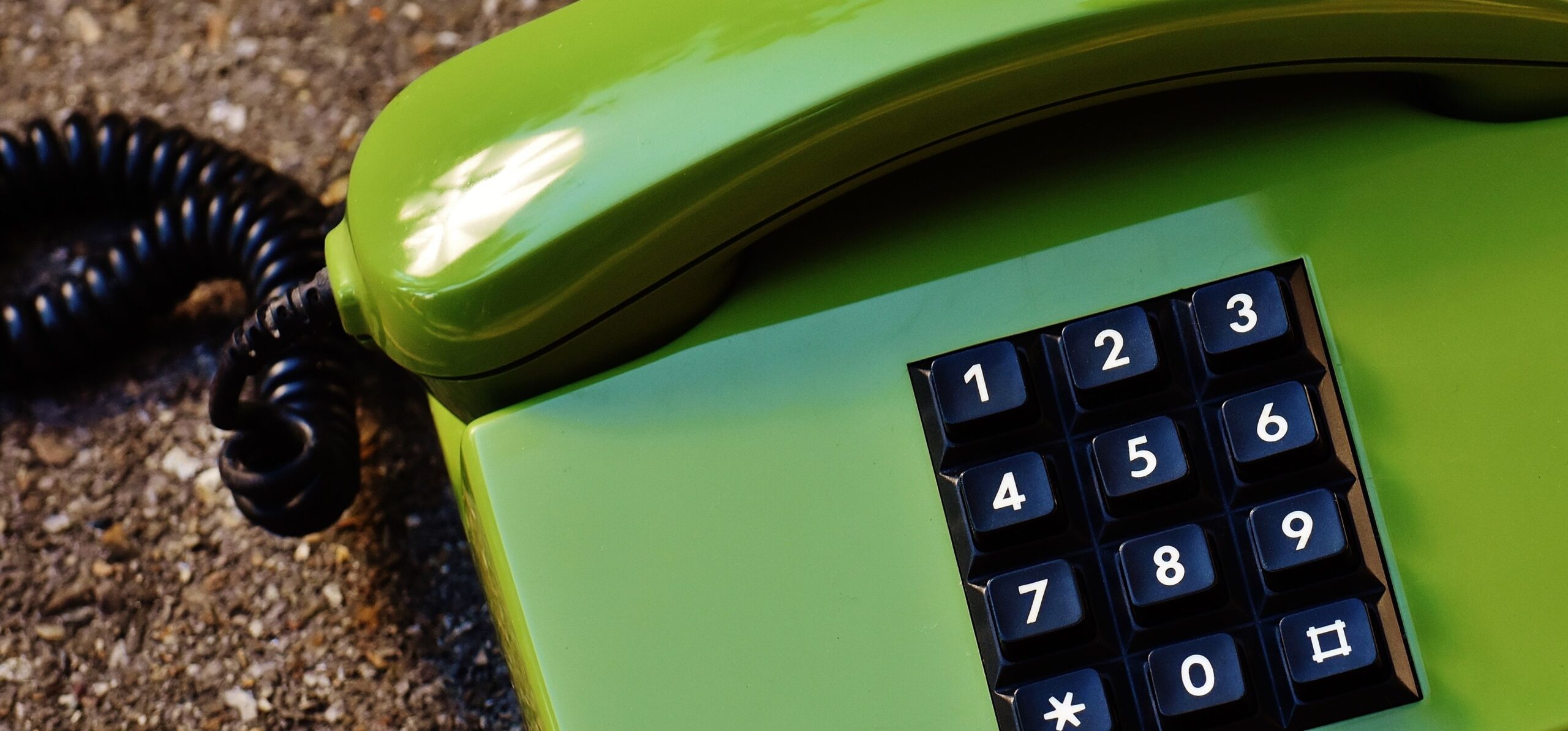
Landline Phones
Almost every household used to have a phone sitting on a table or hanging on the wall, usually with a cord that always seemed to get tangled. Now that most people rely on cellphones, landlines have become a rare sight in homes.
Handwritten Letters and Personal Mail
Getting a handwritten letter or greeting card in the mailbox used to be a lovely way to hear from family and friends who lived far away. Text messages, emails, and social media have made staying in touch much faster, but fewer people take the time to write and mail a personal note.
Physical Music and Movies
Many people remember buying vinyl records, cassette tapes, VHS tapes, CDs, and DVDs to listen to their favorite music or watch movies at home. Streaming services have made entertainment easier to access, leaving many physical collections tucked away in closets, storage boxes, or display shelves.
The Daily Newspaper
For many households, reading the newspaper over breakfast and a cup of coffee was part of the morning routine. Online news has changed how people keep up with current events, and many print newspapers have seen their circulation fall or have stopped publishing altogether.
Drive-In Movie Theaters
Going to a drive-in meant finding a good parking spot, grabbing snacks, tuning the car radio, and watching a movie from the comfort of your vehicle. Some drive-ins are still open, but there are far fewer than there used to be, and many younger people have never experienced one.
Traditional Shopping Malls
A trip to the mall used to be an entire afternoon of browsing stores, meeting friends, eating at the food court, and maybe catching a movie. Online shopping and changing retail habits have made things harder for traditional malls, with some closing their doors or being turned into other types of developments.
Paper Road Maps
Before GPS became part of everyday life, road trips often meant unfolding a large paper map and figuring out which roads would get you there. Most drivers now rely on their phones for directions, so the maps once kept in glove compartments are becoming harder to find.
Related: 15 Childhood Memories Only ’70s Kids Will Truly Understand
Manual Transmission Cars
Learning to drive a stick shift was once a common part of getting behind the wheel, and many drivers enjoyed controlling the gear changes themselves. Automatic cars now make up most of the market, leaving manual transmissions mostly to driving enthusiasts and a smaller selection of vehicles.